Can Anyone Learn to Sing? The Truth Behind Vocal Training

For centuries, people have debated whether singing is a talent you’re born with or a skill you can learn. The truth lies somewhere beautifully in between. At West Island Music Academy (WIMA), we believe that anyone can learn to sing with the right guidance, practice, and patience. Singing is not reserved for the few with “golden voices.” It’s an art form, a science, and a skill that can be developed through consistent vocal lessons, proper breathing techniques, and an understanding of one’s unique tone. Whether you’re in Montreal or the West Island, finding your voice starts with believing that you can.

The Science Behind Singing: It’s All About Muscle Control

Singing isn’t just about emotion—it’s also about muscle coordination. Your voice is an instrument made up of your lungs, diaphragm, vocal cords, and resonating cavities. Just like any instrument, it can be tuned and strengthened over time. Through professional vocal lessons, students learn how to control airflow, manage pitch, and project their voices effectively. At WIMA, instructors help students of all ages understand how to use these muscles efficiently to avoid strain and improve tone quality. The process is much like physical training: your body adapts, strengthens, and refines with practice.

Can Anyone Learn to Sing, Really?

The short answer is yes—absolutely. Most people can sing; they just haven’t trained their ear or muscles properly. Many individuals who think they are “tone-deaf” are simply untrained in pitch recognition. Vocal training helps you identify and correct notes, improve breathing, and build confidence. At West Island Music Academy, teachers assess each student’s current ability and craft a personalized learning path. Even adults who’ve never sung before often experience dramatic progress after just a few months of consistent lessons. The key is commitment, not natural-born talent.

The Role of Ear Training and Listening Skills

One of the most important aspects of learning to sing is developing a musician’s ear. Ear training allows singers to recognize pitches, intervals, and harmonies with precision. At WIMA, instructors incorporate ear training exercises into regular vocal lessons, helping students build pitch accuracy and tonal awareness. This skill not only improves singing but also enhances musical expression across instruments. Over time, students start to “hear” music differently—an essential transformation for anyone serious about their vocal journey.

Common Challenges Beginners Face

Learning to sing comes with its own set of challenges. Beginners often struggle with breath control, posture, or nervousness when performing. However, each of these challenges can be overcome with structured practice and the right mentorship.
At West Island Music Academy, students are guided through:

Breathing techniques to improve stamina and tone control

Warm-up routines to prevent vocal strain

Pitch exercises for better intonation

Stage confidence training for performance readiness

By addressing these fundamentals early on, students quickly gain the skills to sing with freedom and confidence.

Why Vocal Lessons Are Essential for All Levels

Even naturally talented singers benefit from vocal lessons. Proper technique helps preserve vocal health, expand range, and refine tone. For beginners, lessons create structure and measurable progress. For advanced singers, coaching unlocks artistic expression and stage presence. At WIMA, instructors tailor lessons for kids, teens, and adults—whether they’re pursuing casual singing or preparing for professional auditions. The focus is always on building sustainable technique, not just temporary results. Singing well means singing smart.

Building Confidence Through Consistent Practice

Confidence is often the biggest barrier for new singers. Many people hesitate to start lessons because they fear embarrassment or comparison. But with supportive instructors and a positive environment, confidence grows naturally .At West Island Music Academy, vocal coaches help students celebrate progress—no matter how small. They emphasize that every great singer started somewhere and that growth is part of the joy. Over time, students develop not only better voices but also a stronger sense of self-expression, a gift that extends beyond music.

How Environment Shapes Your Vocal Journey

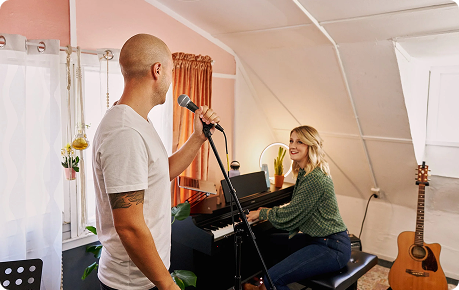
Where you learn matters as much as how you learn. The nurturing atmosphere of WIMA’s studios in Pointe-Claire, Beaconsfield, Côte Saint-Luc, and Saint-Laurent encourages creativity and exploration. Each lesson takes place in a welcoming environment designed to bring out your best sound. Students learn in state-of-the-art facilities equipped with professional instruments and recording tools—perfect for discovering your unique style while feeling at ease.

TAKE ADVANTAGE OF A 30-MINUTE LESSON ON THE INSTRUMENT OF YOUR CHOICE FOR 50% OFF!

The Role of a Vocal Coach: Your Partner in Progress

A good vocal coach does more than teach notes—they inspire transformation. At WIMA, coaches assess tone, pitch, and vocal habits to create a roadmap for each student’s development. They balance technical mastery with artistic freedom, ensuring singers grow in both skill and confidence. Coaches also help with performance preparation, microphone technique, and audition readiness. Whether you’re performing in Montreal’s local venues or joining a school choir, expert coaching can make all the difference between an average performance and an unforgettable one.

Benefits of Learning to Sing

Beyond music, learning to sing offers lifelong benefits that enrich personal and emotional wellbeing.

Improved breathing and posture: Strengthens the diaphragm and core.

Stress relief: Singing releases endorphins and promotes relaxation

Enhanced communication: Increases confidence in speaking and presentation

Sense of community: Joining ensembles or choirs builds social connections.

At West Island Music Academy, these benefits are integrated into every student’s journey, fostering not just better singers—but more confident individuals.

Conclusion: Your Voice Deserves to Be Heard

So, can anyone learn to sing? Without a doubt. Talent may open the door, but training, persistence, and passion keep it wide open. Whether you’re starting from scratch or rediscovering your love for music, vocal lessons at West Island Music Academy can help you unlock your potential. With supportive coaches, professional facilities, and a proven approach, WIMA empowers students from Montreal and beyond to find and share their voices with the world. Remember, your voice is an instrument—one that’s uniquely yours. It just needs the right guidance to shine.