Can Anyone Learn to Sing? The Truth Behind Vocal Training

The Science Behind Singing: It’s All About Muscle Control
Singing isn’t just about emotion—it’s also about muscle coordination. Your voice is an instrument made up of your lungs, diaphragm, vocal cords, and resonating cavities. Just like any instrument, it can be tuned and strengthened over time. Through professional vocal lessons, students learn how to control airflow, manage pitch, and project their voices effectively. At WIMA, instructors help students of all ages understand how to use these muscles efficiently to avoid strain and improve tone quality. The process is much like physical training: your body adapts, strengthens, and refines with practice.
Can Anyone Learn to Sing, Really?
The Role of Ear Training and Listening Skills
Common Challenges Beginners Face
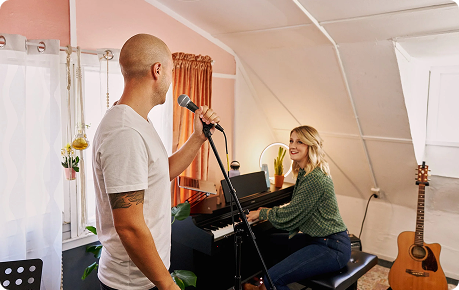
Breathing techniques to improve stamina and tone control
Warm-up routines to prevent vocal strain
Pitch exercises for better intonation
Stage confidence training for performance readiness
By addressing these fundamentals early on, students quickly gain the skills to sing with freedom and confidence.
Why Vocal Lessons Are Essential for All Levels
Building Confidence Through Consistent Practice
How Environment Shapes Your Vocal Journey
TAKE ADVANTAGE OF A 30-MINUTE LESSON ON THE INSTRUMENT OF YOUR CHOICE FOR 50% OFF!
The Role of a Vocal Coach: Your Partner in Progress
Benefits of Learning to Sing
Improved breathing and posture: Strengthens the diaphragm and core.
Stress relief: Singing releases endorphins and promotes relaxation
Enhanced communication: Increases confidence in speaking and presentation
Sense of community: Joining ensembles or choirs builds social connections.
At West Island Music Academy, these benefits are integrated into every student’s journey, fostering not just better singers—but more confident individuals.