
Can Anyone Learn to Sing? The Science Behind Training Your Voice
The question “can anyone learn to sing” has been debated for decades. Many people assume singing is a rare talent reserved for a lucky few, while others believe it can be learned like any other skill. Modern research in vocal science and music education strongly supports the latter view. Singing is not magic—it is a trainable coordination of breath, muscles, hearing, and practice. With structured vocal lessons, people of all ages and backgrounds can improve pitch, tone, control, and confidence. What feels like “talent” is often the result of training, consistency, and understanding how the voice works. This article explores the science behind singing and explains why learning to sing is achievable for almost everyone.
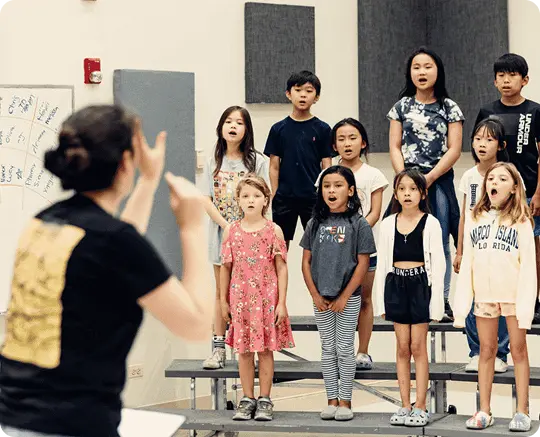
Can Anyone Learn to Sing, According to Science?
How the Voice Works: Muscles, Breath, and Sound
Singing works through coordinated breathing, vocal fold vibration, and resonance, all of which can be trained. The human voice is produced when air from the lungs passes through the vocal folds, causing them to vibrate. The sound is then shaped by the throat, mouth, and nasal cavities. This entire system relies on muscle coordination, not raw strength.
In effective vocal lessons, students learn how to:
Why Pitch Problems Are Usually Learned, Not Natural
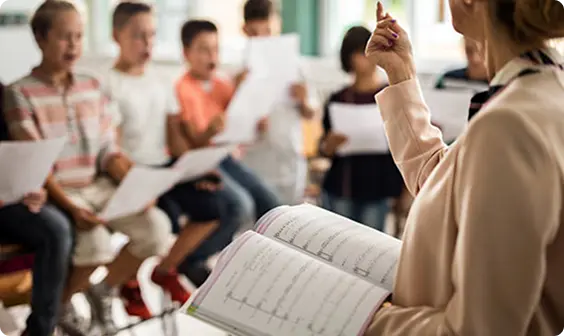
Structured vocal lessons focus heavily on ear training. Exercises that compare notes, match pitches, and build awareness help singers recognize errors and self-correct. Over time, this process retrains the brain and voice to work together.
How Vocal Lessons Improve Pitch
Repetition of pitch-matching exercises
Gradual interval training
Immediate feedback from instructors
These methods explain why so many people who once sang off-key eventually sing accurately.