Drum Lessons for Beginners: Learn Rhythm, Technique & Your First Beats

Starting drum lessons is an exciting step into the world of music. Drumming is powerful, expressive, and deeply connected to rhythm, making it one of the most engaging instruments for beginners of all ages. Whether you are a parent enrolling a child or an adult ready to explore music for the first time, the right foundation makes all the difference. At a professional music school, beginner drum classes focus on more than just hitting the drums. Students learn coordination, timing, listening skills, and musical discipline while enjoying the physical energy that drumming brings. With structured instruction and proper guidance, beginners can quickly move from basic rhythms to confident, controlled playing. This guide explains how beginner drum lessons work, what skills you will learn first, and what truly matters when choosing the right drum program.
What Do Beginners Learn in Drum Lessons?

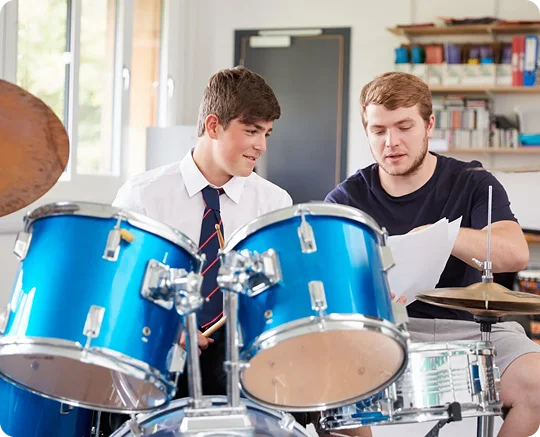
Beginner drum lessons focus on rhythm fundamentals, basic technique, coordination, and learning simple beats in a structured way. Every beginner starts with the essentials. Drum lessons introduce students to the instrument, posture, and hand technique before moving into rhythm and groove. These early steps are critical because good habits formed at the beginning lead to faster progress later. In beginner drum classes, students typically learn how to hold sticks correctly, sit comfortably at the kit, and understand how different drums and cymbals work together. From there, lessons gradually introduce timing exercises and basic patterns that form the foundation of all drumming styles.

Core Skills Taught in Beginner Drum Lessons

$

Proper stick grip and posture

$

Basic rhythm counting and timing

$

Introduction to the snare, bass drum, and hi-hat

By building these skills step by step, students gain confidence and control rather than feeling overwhelmed.

Why Rhythm Is the Foundation of Drumming
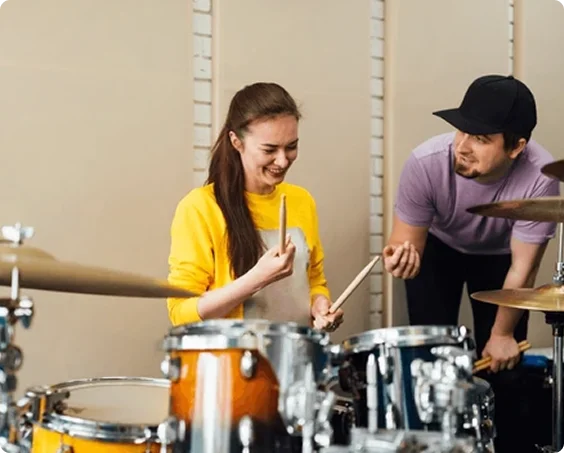
Rhythm is the foundation of drumming because it connects timing, coordination, and musical structure. Unlike melodic instruments, drums are all about rhythm. Beginner drum lessons teach students how to feel time, count beats, and play consistently with a steady tempo. This ability is essential not only for drummers but for any musician working with others. In structured drum classes, rhythm is taught through simple exercises that gradually become more complex. Students learn to play quarter notes, eighth notes, and basic grooves while developing independence between hands and feet.

How Rhythm Training Improves Musical Skills

Strengthens timing and coordination

Builds listening and ensemble awareness

Creates a strong musical foundation

These rhythmic skills transfer easily to other instruments and help students become well-rounded musicians.

Learning Proper Technique from Day One

Proper technique in drum lessons prevents injury and helps beginners play with control and confidence. One of the biggest advantages of professional drum lessons is learning correct technique early. Poor posture or grip can slow progress and even lead to physical strain over time. A qualified instructor ensures beginners play safely and efficiently. Beginner drum classes focus on relaxed movement, balanced strokes, and controlled dynamics. Students learn how to generate sound using technique rather than force, which allows them to play longer and more comfortably. Good technique also improves sound quality. Clean strokes, even timing, and controlled volume help beginners sound musical right away, which boosts motivation.

Drum Lessons for Kids, Teens, and Adults

Drum lessons can be adapted for any age by adjusting teaching style, pacing, and goals. A quality music school understands that age affects how students learn. Children benefit from playful, engaging drum classes that build coordination and focus. Teens often enjoy learning popular styles and developing independence. Adults usually prefer structured, goal-oriented drum lessons. The key is personalization. Lessons should match the student’s age, learning style, and musical interests while maintaining a clear structure. This adaptability keeps students motivated and committed.

Practice, Progress, and Consistency

Progress in drum lessons depends on consistency more than speed. Short, regular practice sessions reinforce what is learned in class and help students build muscle memory. In structured drum classes, teachers guide students on how to practice effectively at home. Beginners learn simple routines that focus on timing and coordination rather than long, exhausting sessions. Regular practice leads to visible improvement, which builds confidence and keeps students excited about learning.

Choosing the Right Drum Classes in Montreal

Location and learning environment play a major role in consistency. Students are more likely to attend regularly when drum lessons are convenient and well-organized. For families and learners in Montreal and the West Island, access to professional instruction close to home matters. Areas such as Pointe-Claire, Côte Saint-Luc, Beaconsfield, and Saint-Laurent benefit from having structured drum programs that support long-term learning without excessive travel. A well-equipped studio, quality instruments, and a calm learning atmosphere allow students to focus fully on their drum classes and enjoy the process.

TAKE ADVANTAGE OF A 30-MINUTE LESSON ON THE INSTRUMENT OF YOUR CHOICE FOR 50% OFF!

Why Structured Drum Lessons Matter

Many beginners assume drumming is purely instinctive, but structure is what leads to real progress. Random playing can be fun, but it often results in plateaus.

Structured drum lessons provide:

$
Clear progression from basics to advanced skills
$
Balanced focus on technique, rhythm, and creativity
$

Ongoing feedback and correction

This structure ensures beginners develop strong fundamentals that support future growth, whether they continue casually or pursue more advanced drumming.

Learning Drums at a Trusted Music School

Choosing the right environment is just as important as choosing the instrument. At West Island Music Academy, beginner drum lessons are designed to build confidence, coordination, and musical understanding from the very first class. With structured drum classes, experienced instructors, and a supportive learning atmosphere, students receive the guidance they need to enjoy learning while progressing steadily.

Final Thoughts: Start Strong with Drum Lessons

Drumming is one of the most rewarding ways to experience music. With the right drum lessons, beginners learn rhythm, technique, and their first beats in a way that feels achievable and exciting. By choosing structured drum classes, students gain more than just technical skills. They develop discipline, confidence, and a deep connection to music. Whether for a child or an adult beginner, starting with the right foundation ensures that every beat played is a step forward.

Frequently Asked Questions

1. Are drum lessons suitable for complete beginners with no musical background?
Yes, drum lessons are ideal for beginners. Structured drum classes start with rhythm basics, coordination, and simple beats, making them accessible even with no prior music experience.
2. How long does it take to play basic beats in drum lessons?
Most beginners can play simple beats within the first few drum lessons, especially when lessons focus on proper technique and rhythm from day one.
3. Do beginners need to own a drum kit before starting drum classes?
No, beginners can start drum lessons without owning a full kit. Many drum classes begin using practice pads and studio equipment while guiding students on future setup needs.
4. Are drum lessons physically demanding for beginners?
Drum lessons are designed to be safe and controlled. Proper technique taught in professional drum classes helps beginners play comfortably without strain or injury.
5. Can children and adults take the same drum lessons?
Drum lessons are adapted by age. While the fundamentals remain the same, drum classes are paced and taught differently for kids, teens, and adults.
6. How often should beginners attend drum classes to see progress?
Most beginners benefit from weekly drum lessons combined with short, regular practice sessions at home to build consistency and confidence.
7. What styles are usually taught in beginner drum lessons?
Beginner drum lessons often focus on foundational styles like rock and pop, which build strong rhythm skills and prepare students for other genres later.
8. Where can beginners find structured drum classes in Montreal?
Beginners can enroll in professional drum lessons at West Island Music Academy, which offers structured drum classes designed specifically for new learners.