Essential Violin Tips for Beginners Starting Their Musical Journey

Learning the violin is a rewarding journey that blends discipline, creativity, patience, and passion. For beginners, the first steps can feel exciting and overwhelming because every detail matters, from holding the instrument correctly to producing a first clear note. Strong beginner habits make the learning process smoother and more enjoyable. At West Island Music Academy, students are guided through these early stages with support, structure, and encouragement. Beginners learn how posture, bow control, tone, rhythm, and practice routines work together. With the right approach, new violinists can build confidence while enjoying each step of progress. These essential tips help students begin their musical journey with clarity, motivation, and a strong foundation.
Why Is the Violin a Great Instrument for Beginners?

The violin is a great instrument for beginners because it develops listening, coordination, concentration, discipline, and expressive musical ability. It is challenging, but deeply rewarding. The violin is one of the most expressive and versatile instruments, making it an excellent choice for students who want to build strong musical skills. Its wide tonal range allows beginners to explore classical pieces, contemporary music, folk styles, and simple melodies as they progress. Because the violin has no frets or keys, students learn to recognize pitch carefully through ear training and finger placement. This strengthens listening ability and musical awareness from the beginning. Playing the violin also improves coordination between the hands, posture, and concentration. Choosing the violin means embracing an instrument that challenges students while offering lifelong opportunities for creativity, growth, and emotional expression.

Why Do Posture and Instrument Hold Matter?

Posture and instrument hold matter because they affect comfort, tone quality, movement, and long-term progress. Good habits early help beginners avoid tension and frustration.

Proper Violin Position

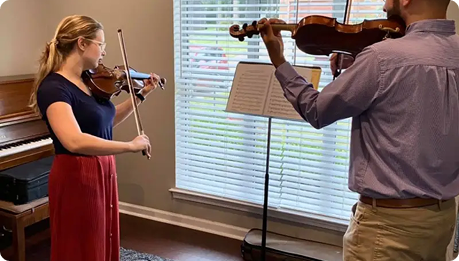
One of the first beginner tips is to focus on posture. A balanced stance helps students stay comfortable while preventing strain in the neck, shoulders, back, and arms. Beginners should keep the shoulders relaxed, the back straight, and the violin balanced naturally. Poor posture can slow progress and make practice uncomfortable.

Bow Grip and Relaxation

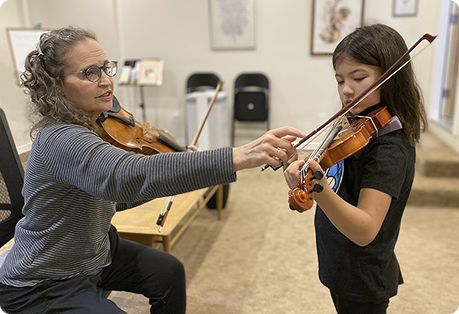
The violin should rest securely between the chin and shoulder so the left hand can move freely along the fingerboard. The bow grip should feel natural, not stiff or forced. A relaxed bow hand supports better tone production, smoother movement, and stronger control as beginners continue learning.

How Can Beginners Produce a Clear Tone on the Violin?

Beginners can produce a clearer tone by practising steady bow pressure, controlled bow speed, and consistent contact with the strings. Tone improves gradually through listening and repetition.

Mastering Bow Pressure

Producing a pleasant tone is one of the first major challenges for beginners. At first, the violin may sound squeaky, uneven, or scratchy, which is completely normal. Clear sound depends on how much pressure the bow applies, how fast it moves, and where it touches the string.

Open String Practice

Beginners should practise slow bow strokes on open strings while listening carefully for an even sound. These simple exercises help students understand how small changes affect tone. With patience and repetition, learners in Pointe-Claire, Montreal, and nearby areas can build smoother sound, stronger control, and more confidence.

Essential Violin Accessories for Beginners

To support a smoother beginner journey, students need more than just the instrument itself. Helpful accessories can improve comfort, tuning, posture, and practice quality:
$

Rosin: Applied to the bow hair for better grip on strings.

$

Shoulder Rest: Provides comfort and stability during practice.

$

Music Stand: Keeps sheet music at eye level, encouraging correct posture.

$

Tuner or Tuning App: Helps beginners train their ears and stay in tune.

$

Case with Hygrometer: Protects the violin from damage and humidity changes.

These tools help beginners focus more on learning music instead of struggling with discomfort, tuning problems, or poor setup. Having the right accessories from the start supports better habits and a more confident learning experience.

Why Should Beginners Practise Scales and Simple Pieces?

Beginners should practise scales and simple pieces because they build finger placement, intonation, rhythm, and confidence. These basics prepare students for more expressive playing. Scales are the building blocks of violin learning. They help beginners understand finger placement, pitch accuracy, and hand coordination. Students often begin with simple one-octave scales and open-string exercises before moving into more complex patterns. Although scales may feel repetitive, they strengthen muscle memory and prepare students for real music. Once basic scales become more comfortable, simple songs and melodies help connect technique with musical expression. For students in Côte Saint-Luc and surrounding areas, combining scales with short pieces creates steady progress. Each small achievement builds motivation and helps beginners experience the joy of turning technical practice into music.

Start learning today with 50% off your first lesson on the instrument of your choice!

How Can Beginners Build a Consistent Practice Routine?

Beginners can build consistency by practising in short, focused sessions with clear goals. Regular practice is more effective than long, unfocused sessions done occasionally.

Short but Focused Sessions

A regular practice routine is essential for progress. Beginners often struggle with discipline, but small goals make practice easier to maintain. Short daily sessions are usually better than long, inconsistent practice because they help build muscle memory without causing fatigue.

Tracking Progress

Even 20 minutes of focused practice can be more useful than hours of distracted playing. Beginners should practise in a quiet space and divide time into warm-ups, scales, and repertoire. A practice journal can help track progress, reminders, and achievements. Over time, this routine builds patience, confidence, discipline, and stronger violin skills.

What Challenges Do Beginner Violinists Commonly Face?

Beginner violinists commonly face challenges with bow hold, finger placement, tuning, tone quality, and motivation. These struggles are normal and improve with structured guidance. Every beginner experiences obstacles while learning violin. Some students struggle to hold the bow comfortably, place fingers accurately, or keep notes in tune. Others may feel frustrated when progress seems slow or when the sound does not match what they expected. These challenges are part of learning, not signs of failure. Support from experienced teachers can help students understand what needs adjustment and how to practise more effectively. Students in Beaconsfield, Montreal, and nearby areas often find that expert feedback turns frustration into progress. Recognizing difficulties as part of growth helps beginners stay patient, motivated, and determined.

Should Beginners Choose Group or Individual Learning?

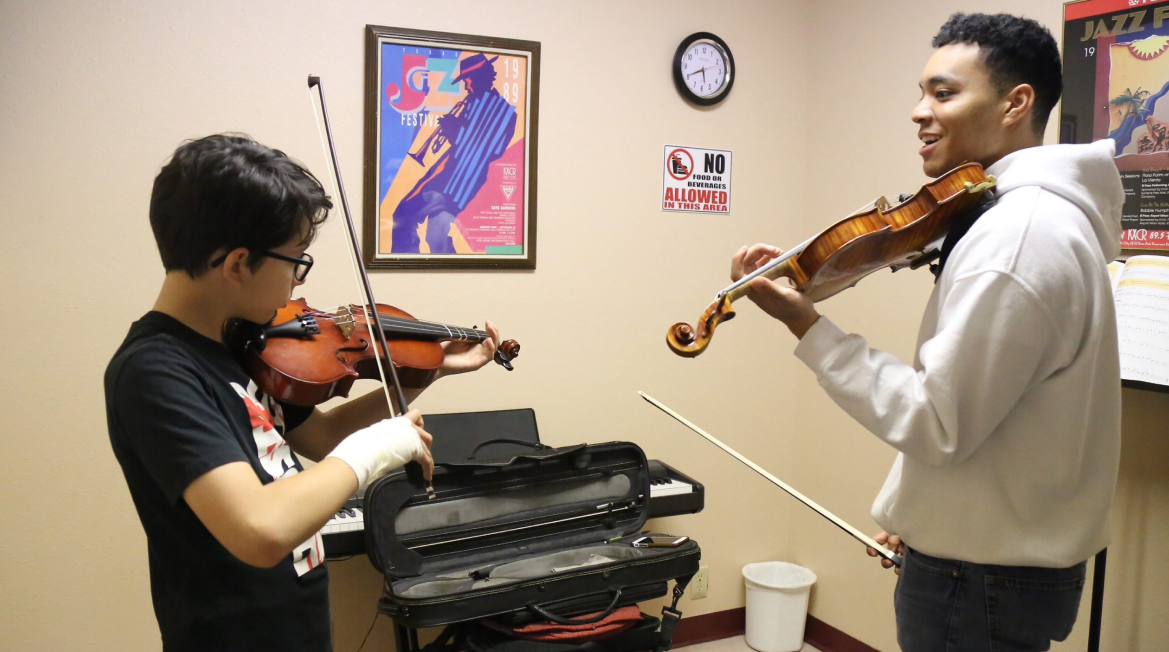
Beginners can benefit from both group and individual learning. Group settings build motivation and peer support, while individual guidance offers focused feedback and personalized progress. Many beginners wonder whether group learning or private instruction is better. Both formats offer value depending on the student’s age, goals, and learning style. Group settings help students learn with peers, build confidence, and enjoy a sense of community. They can be especially helpful for younger learners who feel encouraged by social interaction. Individual guidance provides more personalized attention, making it useful for students who want focused correction, faster progress, or help with specific challenges. At West Island Music Academy, flexible options help beginners find the environment that supports their comfort and goals. The right format can make learning more enjoyable and effective.

How Local Music Schools Make a Difference

Choosing a local music academy like WIMA means more than just convenience—it’s about being part of a thriving community. Students from West Island, Montreal, and nearby neighborhoods benefit from learning in a familiar, encouraging environment that values personal growth. Local schools also understand the cultural diversity of the area, tailoring teaching styles to match the needs of every student. Beyond lessons, music schools create opportunities for performances, recitals, and collaborations, enriching each student’s musical experience. This sense of belonging motivates beginners to continue their journey, knowing they are supported not only by teachers but also by a community that shares their passion for music.

Start Your Violin Journey Today

Beginning your violin lesson journey is a life-changing step filled with creativity, discipline, and joy. While challenges are part of the process, proper guidance ensures success. By learning with West Island Music Academy in Montreal, beginners receive expert instruction, access to supportive programs, and the encouragement needed to thrive. Whether you’re in Pointe-Claire, Beaconsfield, Saint-Laurent, or Côte Saint-Luc, our violin classes provide a pathway to growth and achievement. Don’t wait—pick up your bow, embrace the journey, and let your first notes mark the beginning of a lifelong passion for music. Start today, and discover just how rewarding learning the violin can be.

Frequently Asked Questions

1. What are the most important violin tips for beginners?
The most important tips are to focus on posture, bow hold, tone production, simple scales, short practice sessions, and patience. Strong habits at the beginning make future progress easier.
2. Why is posture important when learning violin?
Posture affects comfort, tone, bow control, and long-term technique. Good posture helps beginners avoid tension in the neck, shoulders, arms, and back while playing.
3. How can beginners produce a clearer violin tone?
Beginners can improve tone by practising steady bow pressure, controlled bow speed, and consistent contact with the strings. Open-string practice is especially helpful for building sound control.
4. What accessories do beginner violin students need?
Helpful beginner accessories include rosin, a shoulder rest, a music stand, a tuner or tuning app, and a protective case. These tools support comfort, tuning, posture, and better practice habits.
5. Why should beginners practise scales?
Scales help beginners develop finger placement, intonation, rhythm, and muscle memory. They prepare students for simple melodies and more expressive playing later.
6. How often should beginners practise violin?
Beginners should practise in short, focused sessions several times a week or daily when possible. Even 15–20 minutes of consistent practice can support steady improvement.
7. What challenges do beginner violinists usually face?
Common challenges include squeaky tone, stiff bow hold, finger placement errors, tuning issues, and slow progress. These are normal and improve with patience, feedback, and regular practice.
8. Are group or individual violin sessions better for beginners?
Both can help beginners. Group settings build motivation and peer support, while individual guidance gives focused feedback and personalized correction. The best choice depends on the learner’s goals and comfort level.