
How Beginners Can Start Building Rhythm on Drums
There is something powerful about rhythm because it moves people, energizes spaces, and connects cultures. For beginners, building rhythm on drums starts with simple patterns, steady timing, relaxed movement, and consistent practice. The early stages are not about speed or complexity; they are about learning how to feel the beat and control sound with confidence. At West Island Music Academy, students are supported through a rhythm journey that makes drumming approachable, creative, and motivating. Whether a learner is completely new or returning to music, structured guidance helps them understand timing, coordination, and musical expression. With patience and encouragement, beginners can turn basic beats into a lasting connection with percussion.
Why Should Beginners Start Building Rhythm on Drums?
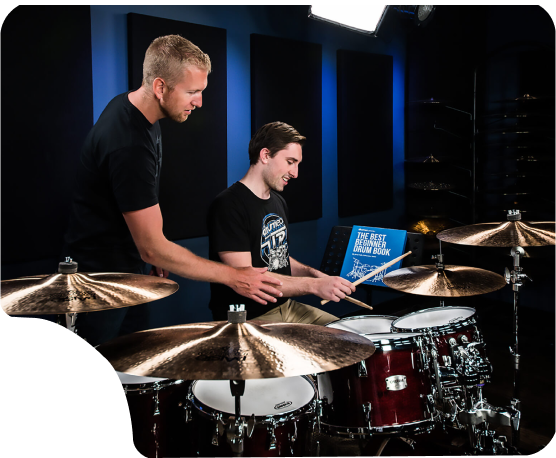
Beginners should start building rhythm on drums because drumming teaches timing, coordination, discipline, and expression in a physical and engaging way. Rhythm becomes easier to understand through movement. Drumming is more than striking a surface; it is a way to understand music through the body. Beginners learn how beats are organized, how patterns repeat, and how timing gives music shape. Structured rhythm practice helps students develop stick control, steady pulse, and simple coordination before moving into more complex grooves. For growing musicians, drums can also build confidence, relieve stress, and strengthen teamwork when playing with others. At West Island Music Academy, rhythm development is adapted to each student’s goals, making early practice feel clear and enjoyable. This personal approach helps beginners stay motivated while building skills that last.
The Benefits of Learning Drums
Mental and Physical Advantages
Emotional Wellbeing
How Can Different Age Groups Begin Building Drum Rhythm?
Rhythm Building for Kids
Rhythm Building for Teens
Rhythm Building for Adults
What Do Beginners Learn First When Building Rhythm?
Beginners first learn basic rhythms, notation, rudiments, groove control, ensemble awareness, and performance foundations. These skills create a strong base for future drumming.
Structured rhythm learning covers a wide range of practical skills:
Basic rhythms and patterns: Perfect for beginners learning timing and consistency.
Reading drum notation: Helps students follow sheet music and understand rhythmic arrangements.
Rudiments and sticking exercises: Essential building blocks for speed, control, and accuracy.
Groove and style exploration: Introduces jazz, rock, funk, pop, and other genres.
Playing in ensembles: Builds teamwork and adaptability when performing with others.
Performance techniques: Helps students gain confidence for live playing or recording.
This well-rounded approach helps beginners enjoy every step of rhythm development.
How Does Local Musical Culture Support Rhythm Learning?
How Drumming Builds Confidence
How Can Music Camps Support Beginner Drummers?
Start learning today with 50% off your first lesson on the instrument of your choice!
Why Do Beginners Need Expert Guidance for Rhythm Development?
Drumming as a Pathway to Creativity
Experimenting with Sound
Improvisation and Self-Expression
Developing a Musical Voice
Start Your Rhythm Journey Today
Frequently Asked Questions
1. How can beginners start building rhythm on drums?
2. Why are drums helpful for learning rhythm?
3. What should beginner drummers learn first?
4. Can children, teens, and adults all start building rhythm on drums?
5. How does drumming improve confidence?
6. Do beginner drummers need expert guidance?
7. How can music camps help beginner drummers?
Music camps help beginner drummers through daily practice, group playing, workshops, and performance activities. They make rhythm learning more immersive, social, and exciting.
8. How does drumming support creativity?
Drumming supports creativity by encouraging students to experiment with sounds, tempos, fills, and rhythm patterns. As beginners improve, they start developing their own musical voice.