
How Expert Pianists Learn: Techniques, Practice & Musical Growth
Expert pianists do not develop skill through talent alone. Their progress comes from structured practice, strong technique, creative exploration, and consistent musical growth. Whether someone is a beginner or an experienced player, learning like an expert means focusing on fundamentals while gradually building expression, confidence, and personal style. Piano growth involves more than playing notes correctly; it includes understanding rhythm, harmony, theory, interpretation, and performance. A strong learning approach helps students improve memory, coordination, discipline, and creativity over time. By studying how expert pianists learn, students can build better habits, avoid random practice, and create a clearer path toward expressive, confident, and meaningful piano playing.
Why Is Learning Like an Expert Pianist Worth the Effort?
Learning like an expert pianist is worth the effort because it builds technique, confidence, creativity, discipline, and long-term musical understanding.
Cognitive and Academic Benefits
Expert-style piano learning strengthens memory, focus, coordination, and problem-solving. Reading music, counting rhythms, and coordinating both hands help students think carefully and develop stronger mental discipline. These benefits can support learning beyond music, especially when practice becomes consistent and structured.
Emotional and Personal Growth
Piano allows students to express feelings through sound. Expert pianists learn how to shape tone, dynamics, and phrasing so music becomes more emotional and meaningful. This process supports confidence, patience, and stress relief while helping learners connect more deeply with what they play.
A Creative Outlet for All Ages
Piano can support creativity at every age. Beginners may enjoy simple melodies, while advanced students may explore improvisation, composition, or interpretation. In communities such as Pointe-Claire and nearby areas, piano learning can become both a personal growth tool and a lifelong creative outlet.
How Do Expert Pianists Use Guidance to Improve?
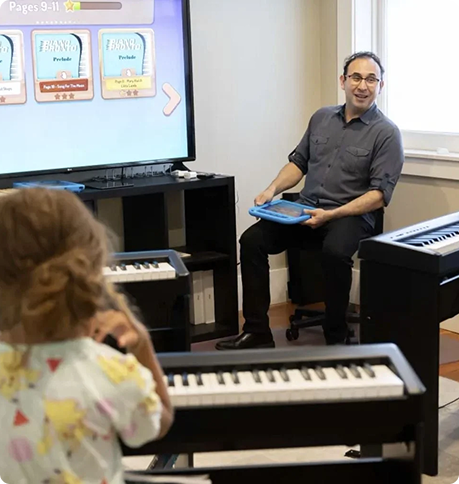
Expert pianists use guidance to improve by receiving feedback, correcting technique, refining expression, and developing a clearer practice direction.
Professional Backgrounds
Strong piano guidance often comes from musicians with performance and teaching experience. This background helps students understand not only how to play notes, but also how to interpret music, prepare pieces, and develop stage confidence. Expert learning benefits from real musical insight.
Adaptable Teaching Methods
Different students learn in different ways. Some need visual explanation, while others improve through listening, repetition, or hands-on correction. Expert pianists benefit from adaptable methods that support their goals, whether they are learning classical pieces, jazz patterns, or modern songs.
Building Student Confidence
Confidence grows when students receive clear feedback and achievable goals. Instead of feeling rushed, learners can develop skill step by step. This support helps students in Côte Saint-Luc and surrounding communities build both technical control and musical self-belief.
How Should Piano Practice Change by Skill Level?
Piano practice should change by skill level, with beginners building foundations, intermediate players refining control, and advanced students developing artistry.
Beginner-Friendly Programs
Beginners should start with rhythm, posture, note recognition, and simple melodies. These basics create comfort at the keyboard and help students understand how piano works. A strong beginner foundation makes future progress smoother and less frustrating.
Intermediate Development
Intermediate students refine technique, timing, coordination, and musical interpretation. They may work on more complex rhythms, longer pieces, and expressive playing. This stage helps students move beyond simple accuracy toward more confident and musical performance.
Advanced Training Opportunities
Advanced students benefit from focused work on theory, advanced technique, tone control, and performance preparation. Learners in Beaconsfield and nearby communities can use this stage to develop artistry, musical independence, and deeper interpretation.
How Does Music Theory Support Expert Piano Growth?
Music theory helps pianists understand what they are playing instead of only memorizing notes. Expert pianists study scales, chords, harmony, rhythm, and structure because these elements make music easier to read, interpret, and remember. Theory also helps students improvise, compose, and accompany other musicians with more confidence. When learners understand why certain chords sound strong or how melodies are shaped, their playing becomes more intentional. Theory should not feel separate from piano practice; it works best when connected directly to songs and pieces. Students in Montreal who develop this foundation often gain a deeper appreciation for music and become more independent learners.
How Do Expert Pianists Develop Creative Expression?
Expert pianists develop creative expression by exploring tone, phrasing, dynamics, rhythm, and musical style. The piano is versatile enough to express delicate melodies, powerful harmonies, and many emotional colors. Students can learn classical sonatas, jazz standards, pop songs, film music, or original compositions while shaping their own musical identity. Creative expression grows when learners are encouraged to choose inspiring pieces and interpret them personally. For students in Saint-Laurent and the West Island, this freedom can make piano practice more meaningful and motivating. Instead of only following notes on a page, expert-style learning helps students tell a story through sound and connect emotionally with the music.
Start learning today with 50% off your first lesson on the instrument of your choice!
What Skills Do Expert Pianists Build Over Time?
When students follow an expert-style learning approach, they can expect to:
Develop solid technical skills, from finger strength to hand coordination.
Learn how to read and interpret sheet music effectively.
Build confidence through solo and group performances.
Explore multiple musical genres and find your personal style.
Receive personalized feedback that supports steady improvement.
Follow a structured learning path that encourages continuous progress.
Why Is Consistent Practice Essential for Expert Pianists?
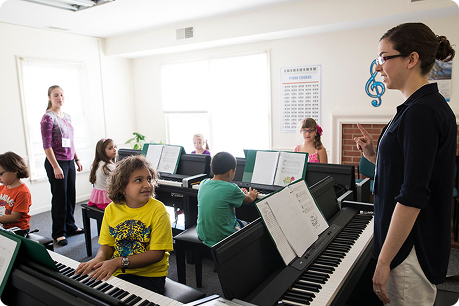
Consistent practice is essential because it strengthens technique, builds discipline, improves memory, and turns musical goals into real progress. Practice is where expert piano growth truly happens. Even talented instructors can only guide progress; students need regular repetition to build lasting skill. Consistent practice strengthens finger coordination, rhythm accuracy, reading fluency, and confidence. It also teaches patience and resilience because improvement happens gradually. Expert pianists usually practice with purpose instead of simply repeating pieces from beginning to end. They isolate difficult sections, slow down tricky rhythms, review technique, and track progress over time. Short focused sessions can be more effective than long unfocused ones. With the right practice routine, students can turn weekly guidance into real musical growth and stronger performance ability.
How Do Performance and Community Support Piano Growth?
Performance and community help pianists apply what they learn in meaningful ways. Recitals, concerts, group sessions, and community events give students opportunities to share progress and overcome stage fright. These experiences also help learners understand that music is meant to be heard and enjoyed with others. Performing builds confidence, while community creates belonging and motivation. Students in West Island and greater Montreal benefit from musical environments where peers encourage one another and celebrate growth. These opportunities make piano learning richer because they connect individual practice to shared experiences. Over time, performance and community help students become more expressive, confident, and connected musicians.
Why Choose West Island Music Academy for Piano Lessons?
With so many options for piano classes available, West Island Music Academy stands out for its dedication to personalized learning, talented instructors, and community-driven approach. Our programs are flexible, affordable, and designed to fit the diverse needs of students in Montreal and surrounding areas. By blending technical training with creativity, we ensure that every lesson feels both challenging and enjoyable. Students from Pointe-Claire, Beaconsfield, Côte Saint-Luc, Saint-Laurent, and beyond choose our academy because we combine expertise with passion. When you learn with us, you’re not just taking music lessons—you’re joining a vibrant community of musicians.
Conclusion: Start Your Piano Journey Today
The piano is an instrument that offers endless opportunities for growth, creativity, and enjoyment. By taking piano classes at West Island Music Academy, you’ll learn from talented instructors who are passionate about guiding students toward their fullest potential. Whether you’re a beginner exploring your first notes or an advanced player refining your technique, our academy provides the tools, guidance, and encouragement you need to succeed. Join our musical family in the West Island and Montreal today, and take the first step toward a lifetime of music-making.
Frequently Asked Questions
1. How do expert pianists learn effectively?
Expert pianists learn effectively by combining strong technique, consistent practice, music theory, creative expression, and regular feedback.
2. Why is technique important for pianists?
Technique helps pianists play with control, accuracy, comfort, and expression. Strong technique also makes advanced pieces easier to approach.
3. How do expert pianists practice?
Expert pianists practice with clear goals. They slow down difficult sections, repeat problem areas, review technique, and track progress over time.
4. Why is music theory important for piano growth?
Music theory helps pianists understand scales, chords, harmony, rhythm, and structure. This makes reading, improvising, and interpreting music easier.
5. How do pianists develop musical expression?
Pianists develop expression through dynamics, phrasing, tone control, rhythm, and interpretation. These elements help music sound more emotional and meaningful.
6. How should piano practice change by skill level?
Beginners should focus on posture, rhythm, and note recognition. Intermediate players refine technique, while advanced pianists develop artistry and performance skills.
7. Why is performance important for piano students?
Performance helps students build confidence, overcome nervousness, and apply their skills in real situations. It also makes musical progress more rewarding.
8. What helps pianists keep growing long term?
Long-term growth comes from consistent practice, strong guidance, theory knowledge, creative exploration, performance experience, and a supportive learning environment.