
How Learning Piano Builds Skill, Confidence, and Passion
Learning piano can build far more than technical ability. It helps students develop skill, confidence, creativity, discipline, and a lasting passion for music. The piano gives learners a clear way to understand melody, rhythm, harmony, and expression while also encouraging emotional storytelling through sound. Beginners may start with simple notes and hand coordination, while experienced players can refine technique, interpretation, and performance ability. Over time, students learn that piano is not only about playing correct notes; it is about communicating feeling, building focus, and enjoying musical growth. With structured practice and supportive guidance, learning piano can become an inspiring journey that strengthens both musicianship and personal confidence.
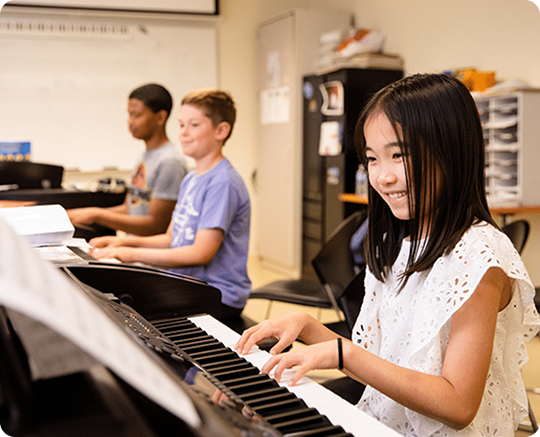
How Does Learning Piano Blend Skill and Creativity?
Learning piano blends skill and creativity by developing technique, rhythm, coordination, improvisation, expression, and musical interpretation together. Piano learning works best when technical growth and creative exploration support each other. Students build essential skills such as scales, chord progressions, hand coordination, rhythm, and reading, but they also learn how to shape music with emotion. Creative activities like improvisation, composition, jazz patterns, pop arrangements, and film music keep practice engaging and personal. This balance helps learners understand that technique is not just a rule-based exercise; it is a tool for expression. As students improve, they begin to use tone, dynamics, phrasing, and rhythm to tell stories through music. This combination of structure and creativity helps piano learning feel meaningful and motivating.
Why Choose Piano Lessons at West Island Music Academy
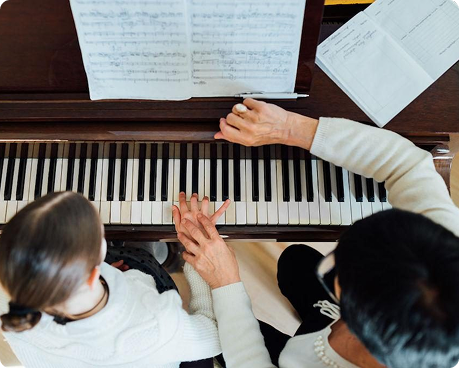
At WIMA, music education is tailored to meet each student’s unique learning style and goals. Unlike generic online courses, our music lessons are taught in a creative, one-on-one setting that emphasizes progress and enjoyment.
Customized approach: Instructors assess skill level and interests to build a personalized learning plan.
Experienced teachers: Professional musicians guide students with patience and passion.
Comprehensive curriculum: Lessons include sight-reading, ear training, and performance practice.
Flexible scheduling: Perfect for children, teens, and adults with busy routines.
This individualized attention ensures that every student, from Pointe-Claire to Saint-Laurent, can progress at their own pace and reach new musical heights.
How Do Supportive Mentors Help Piano Students Grow?
How Does Piano Build Confidence and Expression?
How Does the Learning Environment Support Musical Passion?
How Can Piano Learning Support Different Ages and Levels?
Piano learning supports different ages and levels by adapting goals, pace, technique, and repertoire to each student’s stage.
Learning Pathways by Age
Children: Fun, engaging practice focused on rhythm, coordination, and ear development.
Teens: Technique, theory, performance skills, and creative growth.
Adults: Flexible learning for hobbyists, returning learners, or aspiring performers.
Students from Côte Saint-Luc and other parts of Montreal can benefit from a learning path that feels both encouraging and appropriately challenging.
How Does Piano Connect the Mind and Music?
Start learning today with 50% off your first lesson on the instrument of your choice!
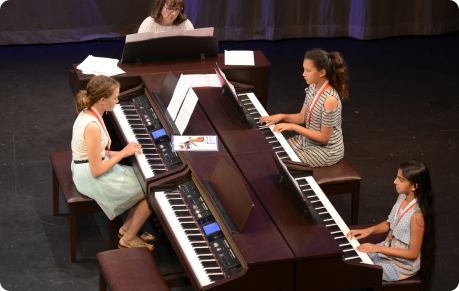
How Do Performance Opportunities Build Stage Confidence?
Bringing Passion to Every Lesson
What sets WIMA apart is its commitment to turning piano lessons into a lifelong passion. Instructors encourage students to explore music they love—be it classical masterpieces, film scores, or pop hits. This freedom to choose repertoire keeps motivation high while reinforcing fundamental skills. Students learn to appreciate music not just as a discipline but as a creative outlet that enhances emotional well-being. Over time, this blend of structure and inspiration cultivates resilience, creativity, and joy. WIMA believes that when passion drives practice, mastery follows naturally.
Join the WIMA Music Community
Frequently Asked Questions
1. How does learning piano build skill?
Learning piano builds skill through regular practice in rhythm, reading, hand coordination, technique, ear training, and musical expression.
2. How does piano help build confidence?
Piano builds confidence through small achievements, steady progress, supportive feedback, and performance opportunities that help students feel proud of their growth.
3. Why is creativity important in piano learning?
Creativity makes piano learning more personal and enjoyable. It helps students explore improvisation, composition, interpretation, and emotional expression.
4. Can children build passion through piano?
Yes, children can build passion through fun songs, creative activities, encouragement, and small musical wins that keep them excited to continue learning.
5. Can adults develop piano skills later in life?
Yes, adults can develop piano skills at any age. With flexible goals, consistent practice, and patient guidance, adults can make meaningful progress.
6. What skills do piano students learn over time?
Piano students learn posture, finger control, scales, chords, rhythm, reading, ear training, improvisation, and performance skills.
7. How do performance opportunities help piano students?
Performance opportunities help students manage nerves, build stage confidence, share progress, and feel more connected to music.
8. How can students stay passionate about piano?
Students stay passionate by playing music they enjoy, setting personal goals, exploring different styles, and practicing in a supportive environment.