How Learning Piano Nurtures Creativity and Expression

Learning piano gives students a powerful way to connect technical skill with imagination, emotion, and personal expression. The instrument allows learners to explore melody, harmony, rhythm, tone, and dynamics in a way that feels both structured and creative. Beginners may start with simple notes and rhythms, while more experienced players can shape songs through phrasing, interpretation, and improvisation. Piano learning becomes especially meaningful when students are encouraged to understand not only how to play, but why music feels expressive. With supportive guidance, steady practice, and space to explore, learners of all ages can build confidence, discover their musical voice, and develop creativity that grows with every piece they play.
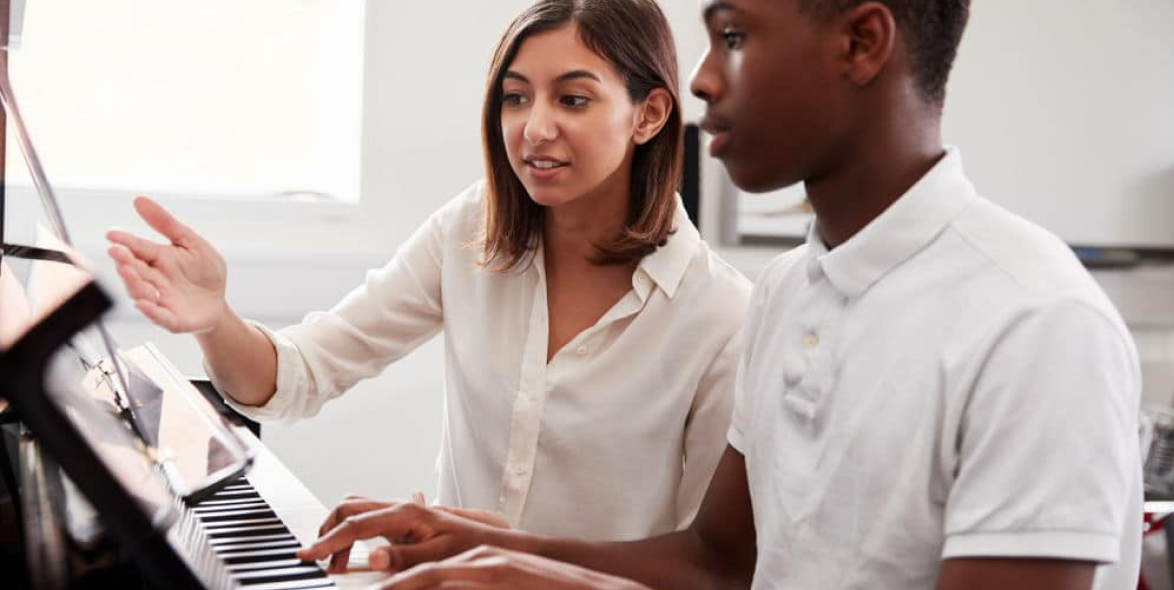
How Does Learning Piano Support Musical Development?
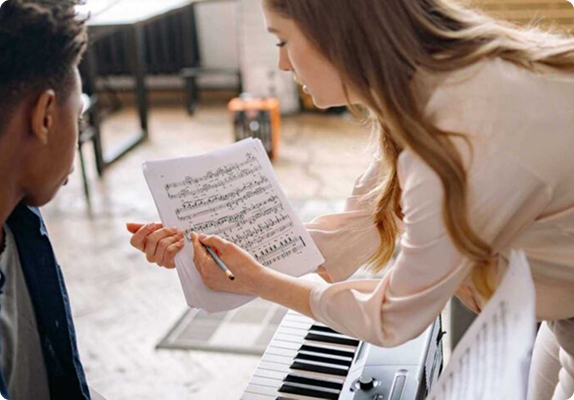
Learning piano supports musical development by helping students understand melody, harmony, rhythm, coordination, reading, and creative expression. Piano is one of the strongest instruments for building complete musicianship because it shows how melody, harmony, and rhythm work together. Students learn to coordinate both hands, read music, listen carefully, and connect sound with movement. These skills create a strong technical base while also encouraging creativity. As learners progress, they can explore different styles such as classical, jazz, pop, and contemporary music, which expands musical understanding. Piano practice also strengthens concentration, memory, and problem-solving, making it valuable beyond the instrument itself. When students develop both technique and expression, they become more confident musicians who can communicate emotion and ideas through sound.

What Makes WIMA a Top Choice for Piano Students

At West Island Music Academy, students enjoy:

Personalized one-on-one piano classes tailored to goals

Professional instructors skilled in classical and modern styles

A structured but flexible curriculum for all learning levels

State-of-the-art practice rooms with quality acoustic and digital pianos

Performance opportunities that build confidence and artistry

Why Do Technique and Creativity Need to Work Together?

Technique and creativity work together because strong control helps students express musical ideas more clearly and confidently. Creativity becomes more powerful when students have the technique to express it. Piano learners need posture, finger control, rhythm, timing, and coordination so they can play with clarity and comfort. At the same time, technical practice should not feel mechanical or disconnected from music. Creative activities such as improvisation, melody shaping, phrasing, and interpretation help students understand how technique supports expression. When learners know why a phrase should sound soft, strong, smooth, or dramatic, they begin to play with more feeling. This balance helps students become expressive musicians rather than only accurate players. Over time, technique becomes the tool that allows creativity to shine.

How Can Piano Learning Support Different Speeds of Progress?

Every piano student learns at a different pace, so progress should be steady, supportive, and realistic. Some learners need more time with finger positioning, scales, and rhythm patterns, while others may move quickly into repertoire, improvisation, or composition. A thoughtful learning path allows students to master foundations before moving into more challenging pieces. This prevents frustration and helps learners stay confident. Piano learning also becomes more enjoyable when theory, sight reading, ear training, and creative exploration are introduced in a balanced way. As students become comfortable, they can take on more complex music while still developing expression. Progress should feel motivating, not rushed.

Learning Pathways for Different Types of Piano Students

We support a wide range of learners, including:
$

Beginners: Discover the piano through simple notes, rhythm, posture, and early melodies.

$

Intermediate players: Expand technique, repertoire, reading skills, and expressive control.

$

Advanced students: Prepare for exams, auditions, complex repertoire, and artistic interpretation.

$

Creative learners: Explore improvisation, songwriting, melody shaping, and personal musical ideas.

$

Adults: Use piano for relaxation, personal fulfillment, creativity, and long-term enjoyment.

How Do Performance Opportunities Build Creative Confidence?

Performance opportunities build creative confidence by helping students share music, manage nerves, and express emotion with purpose. Performance gives piano students a meaningful reason to refine their playing and express themselves fully. Recitals, studio gatherings, collaborative events, and informal sharing opportunities help students apply what they learn in practice. Preparing for a performance teaches discipline, focus, and attention to detail, while performing builds stage confidence and resilience. Even students who do not want to perform publicly can benefit from preparing pieces carefully, because the process strengthens phrasing, interpretation, and emotional connection. Performance turns practice into a musical goal and helps learners see progress clearly. These experiences create memorable moments where creativity, confidence, and expression come together.

How Can Practice Spaces and Tools Enhance Piano Expression?

Practice spaces and tools enhance expression by helping students focus, listen carefully, review progress, and improve timing, accuracy, and tone.

Professional Learning Environment

A focused practice environment helps students stay engaged and creative. Sound-treated rooms, quality pianos, and calm surroundings allow learners to hear tone, rhythm, and dynamics more clearly. Whether students are practicing scales, working on a new piece, or exploring improvisation, a supportive environment makes the process more productive. A good space reduces distractions and helps students connect more deeply with the music.

Tools That Support Musical Growth

Playback systems, digital resources, recordings, and practice tools help students understand their progress. Listening back to a performance can reveal timing issues, uneven dynamics, or expressive details that need refinement. These tools help learners improve accuracy while also developing a stronger sense of musical expression.

Start learning today with 50% off your first lesson on the instrument of your choice!

Montreal’s Cultural Spirit Inspires Musical Exploration

Montreal’s artistic energy makes it a unique place to study piano, offering students a rich cultural backdrop for their musical learning. With influences ranging from classical to contemporary styles, the city inspires creativity and fuels personal growth. Students may draw inspiration from performances near Saint-Laurent or cultural influences found throughout Côte Saint-Luc, giving them a wider sense of musical possibility. This exposure helps learners appreciate the diverse history and emotional depth of piano music. At WIMA, we encourage students to explore different genres and find the styles that resonate most deeply with them, making piano classes a meaningful part of Montreal’s cultural experience.

Piano Classes for the Entire West Island Community

WIMA proudly welcomes students from across the West Island, including areas like Pointe-Claire and Beaconsfield. Our convenient location and community-focused teaching approach make it easy for families and individuals to access high-quality music lessons without traveling far. Students from all backgrounds join our academy, creating a vibrant environment where creativity thrives. Whether learners aim to pursue advanced studies or simply enjoy playing for fun, our piano classes offer a supportive space where everyone feels encouraged to shine.

Creativity, Confidence & Musical Joy—Your Piano Journey Starts Here

Beginning piano classes at West Island Music Academy is the perfect first step toward exploring creativity, building confidence, and developing lifelong musical skills. Our instructors are passionate about helping students grow, offering personalized guidance, modern facilities, and inspiring performance opportunities. Whether you’re seeking structured music lessons, creative expression, or a new artistic challenge, WIMA provides the ideal environment to discover your musical potential. With every note, students gain new insight, joy, and artistic confidence. Now is the perfect time to take the next step and begin your piano journey in Montreal or the West Island, where creativity thrives and music becomes part of who you are.

Frequently Asked Questions

1. How does learning piano nurture creativity?

Learning piano nurtures creativity by helping students explore melody, harmony, rhythm, improvisation, and emotional expression through music.

2. Why is piano good for musical expression?

Piano is good for expression because students can shape music through dynamics, phrasing, tone, tempo, and interpretation.

3. How do technique and creativity work together in piano?

Technique gives students control, while creativity helps them use that control to express emotion, style, and musical ideas more clearly.

4. Can beginners develop creativity while learning piano?

Yes, beginners can develop creativity through simple melodies, rhythm exercises, improvisation, and expressive playing from the early stages.

5. How does performance build creative confidence?
Performance helps students share music, manage nerves, and express emotion with purpose. It also gives practice a clear and meaningful goal.
6. What tools help piano students improve expression?

Recordings, playback tools, digital resources, practice apps, and quality instruments help students review timing, tone, dynamics, and musical expression.

7. How does local music culture inspire piano creativity?

Local music culture exposes students to different styles, performances, and artistic influences, helping them connect piano learning to a wider creative world.

8. How can piano learning support long-term creative growth?

Piano supports long-term creativity by encouraging consistent practice, personal interpretation, improvisation, performance, and exploration of different musical styles.