
How Technology Makes Music Learning More Accessible
Technology has transformed how students learn, practice, and grow in music by making learning more flexible, accessible, and engaging. Students no longer need to be limited by location, travel time, or rigid schedules when building musical skills. Digital tools, video platforms, recordings, interactive resources, and home-based practice options now help learners stay connected to music in a more convenient way. Whether someone is beginning their musical journey or developing existing skills, technology supports creativity, confidence, and steady progress. This accessibility is especially valuable for busy families, adult learners, shy beginners, and students who need flexible learning options. With the right tools and structure, music learning becomes easier to start, maintain, and enjoy.

Why Is Technology Making Music Learning More Popular?
How Does Technology Support Different Ages and Skill Levels?
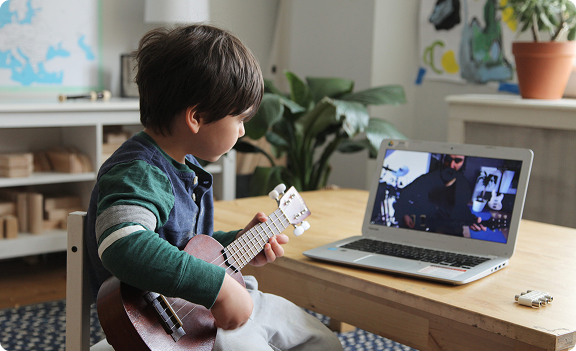
What Makes Technology-Based Music Learning Stand Out?
Live one-on-one learning support through digital platforms
Customized learning plans based on each student’s goals
Flexible scheduling for families, students, and working adults
High-quality virtual tools for interactive practice and review
Access to structured curriculum and resources from home
How Do Interactive Tools Make Music Learning More Engaging?
How Does Technology Help Build Strong Music Practice Habits?
Consistency and Structure at Home
A Comfortable Environment to Explore Creativity
Learning in a familiar space helps many students feel relaxed and open to experimentation. Technology allows learners to try new skills, record ideas, review mistakes, and explore creativity without pressure. This comfort can make practice more enjoyable and help students stay motivated during challenging stages.
The Benefits of Technology in Music Learning
Connecting Digital Music Learning to Montreal’s Music Culture
How Does Technology Support the Whole Community?
How Does Technology Help Build Confidence in Music Learners?
Start learning today with 50% off your first lesson on the instrument of your choice!
Types of Technology-Supported Music Learning
Private Instrument Learning
Vocal Coaching Tools
Songwriting and Creative Workshops
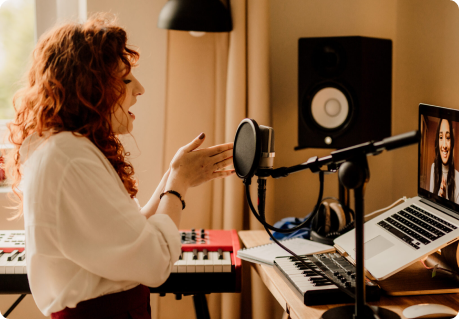
Why WIMA’s Online Program Is the Future of Learning
Start Your Online Music Journey with WIMA Today
Frequently Asked Questions
1. How does technology make music learning more accessible?
2. What tools help students learn music more effectively?
Helpful tools include metronomes, tuners, digital sheet music, backing tracks, recording apps, video platforms, and notation tools. These resources make practice more organized and interactive.
3. Can technology support beginners in music learning?
Yes, beginners can use technology to review basics, follow demonstrations, practice slowly, and track progress. This makes early learning less overwhelming and more structured.
4. How does technology help students stay consistent?
5. Does technology make music practice more engaging?
6. How does technology build confidence in music learners?
7. Can technology help students learn different instruments?
8. Why is technology important for the future of music learning?
Technology is important because it makes music learning more flexible, personalized, and accessible. It gives students more ways to practice, review, create, and stay connected to music.