How to Choose the Right Piano Teacher for You or Your Child

Choosing the right piano teacher is one of the most important decisions in a student’s musical journey. The right instructor doesn’t just teach notes—they shape motivation, confidence, and long-term progress. Whether you’re enrolling a child in their first piano class or starting lessons yourself, understanding what to look for helps ensure a positive and productive experience. At a professional music school like West Island Music Academy (WIMA), piano instruction is built around structured learning, individualized pacing, and consistent guidance. For families in Montreal and the West Island, the right piano teacher can make the difference between short-term interest and lasting musical growth. This guide breaks down the key factors to consider so you can confidently choose the right piano teacher or piano class.
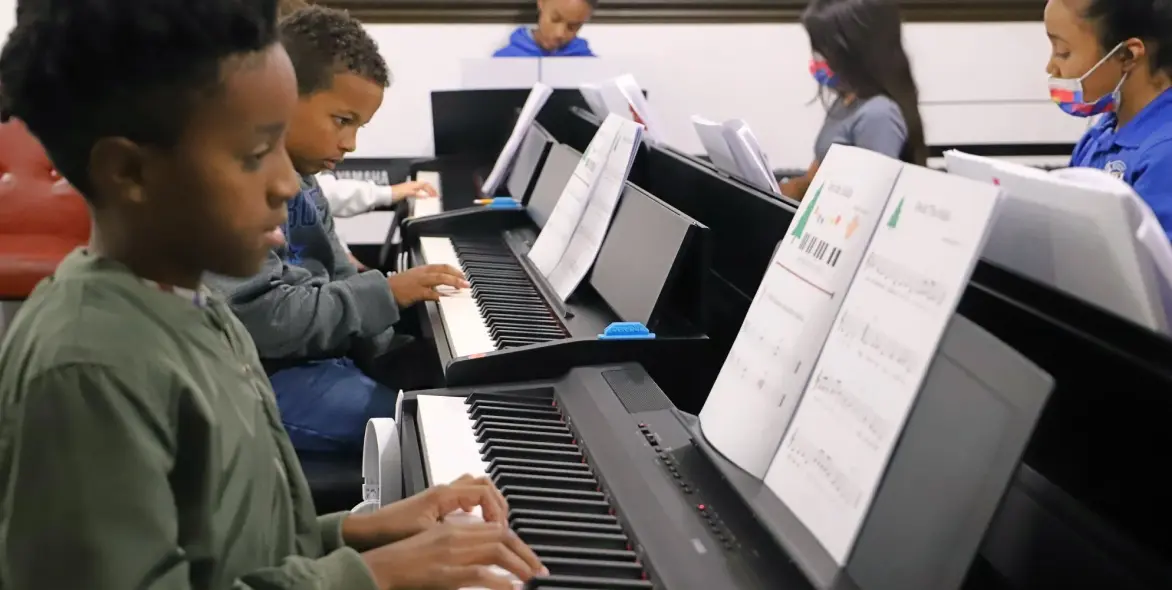
What Does a Good Piano Teacher Actually Do?

A good piano teacher builds strong fundamentals, adapts teaching to the student, and keeps learning consistent and motivating. A qualified piano teacher does far more than demonstrate songs. They assess learning style, set realistic goals, and create a clear path forward. In a structured piano class, lessons progress logically from technique and rhythm to musical expression and confidence. A strong piano teacher focuses on posture, hand position, reading skills, and timing early on. This prevents frustration and bad habits. Over time, lessons evolve to include interpretation, dynamics, and musical independence—always matched to the student’s pace.

How to Choose a Piano Teacher for a Child
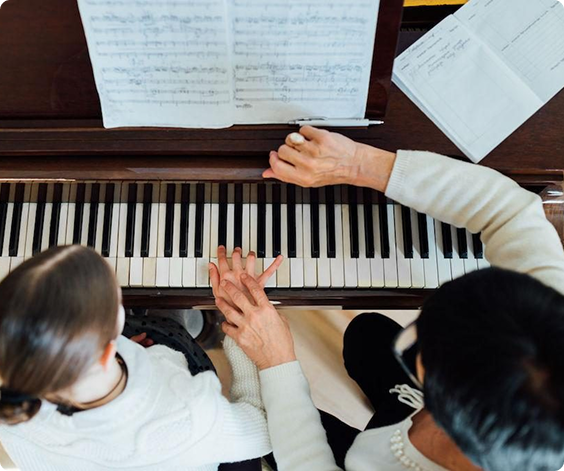
The right piano teacher for a child combines patience, structure, and age-appropriate teaching methods. Children learn differently than adults. A piano teacher working with kids must balance discipline with engagement. The goal of a piano class for children is not just technical ability, but also enjoyment and confidence.

What to Look for in a Child’s Piano Teacher

Experience teaching young students

Clear lesson structure with short-term goals

Encouraging communication style

Ability to make lessons engaging and focused

A good piano teacher helps children build concentration and coordination while keeping lessons positive. This foundation supports long-term success, especially when lessons are part of a professional music school program.

Choosing a Piano Teacher for Teens and Adults

For teens and adults, the best piano teacher aligns instruction with personal goals and learning pace. Teens often need a piano teacher who can support goal-oriented learning, whether that involves improving technique or building performance confidence. Adults typically look for flexibility and clarity, especially if they are balancing lessons with work or school.

What Matters Most for Older Students

$
Clear progression and measurable goals
$
Focus on technique without unnecessary pressure
$
Respect for personal musical interests
A structured piano class helps teens and adults stay consistent. A supportive piano teacher keeps lessons focused while allowing room for exploration and enjoyment.

Teaching Style Matters More Than You Think

Not every piano teacher teaches the same way, even with similar credentials. Teaching style affects motivation, progress, and confidence. Some piano teachers emphasize classical structure, while others integrate contemporary music to keep students engaged. The right approach depends on the student’s goals and personality. A strong piano class balances technique with musical enjoyment, ensuring students stay committed over time. A good piano teacher communicates clearly, sets expectations, and adjusts lessons when a student struggles or excels. This adaptability is essential for steady improvement.

The Role of Consistency in Piano Learning

Consistency is one of the biggest predictors of success in any piano class. A reliable piano teacher encourages regular attendance, manageable practice routines, and clear milestones. Learning piano is cumulative. Missing fundamentals early can slow progress later. That’s why choosing a piano teacher within a structured music school environment helps ensure continuity and accountability throughout the learning process.

Start learning today with 50% off your first lesson on the instrument of your choice!

Local Access and Learning Environment
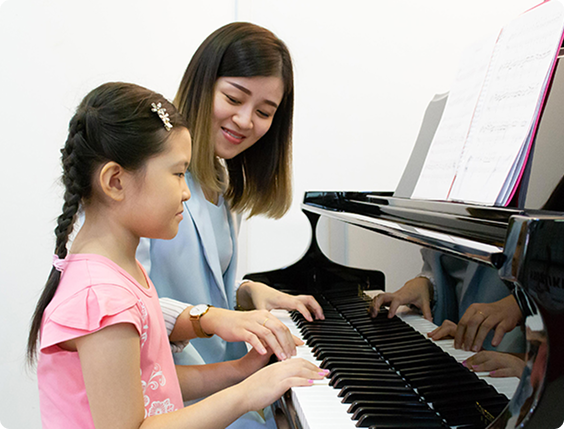
Location matters when choosing a piano teacher. Families are more likely to stay consistent when lessons are accessible and convenient. Students across Montreal and the West Island often look for piano classes close to home to support long-term attendance. Many families choose lessons near Pointe-Claire, Côte Saint-Luc, Beaconsfield, and Saint-Laurent to reduce travel time and keep learning stress-free. A nearby music school with professional facilities also creates a focused and motivating learning environment.

Questions to Ask Before Choosing a Piano Teacher

Before committing to a piano teacher or piano class, it’s helpful to understand expectations and teaching approach.

Key Considerations

How does the teacher structure lessons?

How is progress tracked over time?

What practice expectations are realistic?

How does the teacher adapt to different learners?

A transparent and structured approach is a strong sign of a quality piano teacher and a well-run piano class.

Why a Music School Makes a Difference

A piano teacher working within a professional music school benefits from shared standards, resources, and oversight. This leads to more consistent instruction and better long-term outcomes for students. Music schools provide stability. Students are supported even as their goals change, ensuring that piano education grows with them rather than restarting at each stage.

Final Thoughts on Choosing the Right Piano Teacher

The right piano teacher provides more than instruction—they provide direction, motivation, and confidence. Whether for a child just beginning or an adult returning to music, the quality of teaching shapes the entire experience. By choosing a piano teacher within a structured piano class and professional music school environment, students benefit from consistency, expertise, and a clear path forward. With the right guidance, learning piano becomes not just achievable—but deeply rewarding.

Frequently Asked Questions

1. How do I know if a piano teacher is right for my child?
A good piano teacher for children is patient, structured, and able to keep lessons engaging while building strong fundamentals.
2. Is it better to choose a private piano teacher or a piano class?
A piano class within a music school often combines private instruction with structured learning, offering both personalization and consistency.
3. Can adults start piano lessons without prior experience?
Yes. A qualified piano teacher can guide adult beginners step by step, focusing on clear goals and manageable progress.
4. How long should a piano class be for beginners?
Most beginners do well with 30–45 minute piano classes, allowing enough time to learn without becoming overwhelmed.
5. What teaching style should I look for in a piano teacher?
The best piano teacher adapts their teaching style to the student’s age, goals, and learning pace rather than using a one-size-fits-all approach.
6. How important is consistency when choosing a piano teacher?
Consistency is critical. A reliable piano teacher with a structured piano class helps students build skills steadily and avoid setbacks.
7. Should a piano teacher teach music theory as well?
Yes. A strong piano teacher integrates music theory naturally into lessons to support reading, rhythm, and long-term musical understanding.
8. Does lesson location matter when selecting a piano teacher?
Yes. Choosing a nearby piano class or music school makes regular attendance easier, which directly supports better progress.