
How to Develop Your Own Drumming Style
Drumming is more than keeping time—it is a powerful form of personal expression that allows each player to create a unique musical identity. While learning rhythms and techniques is important, developing your own drumming style is what sets you apart from others. Every drummer starts with the same fundamentals, but over time, individual preferences, influences, and creativity shape how they play. Whether you are just starting or already experienced, focusing on style development helps you move beyond imitation and toward originality. With consistent practice and exploration, drumming becomes not just a skill but a reflection of your personality and musical voice.
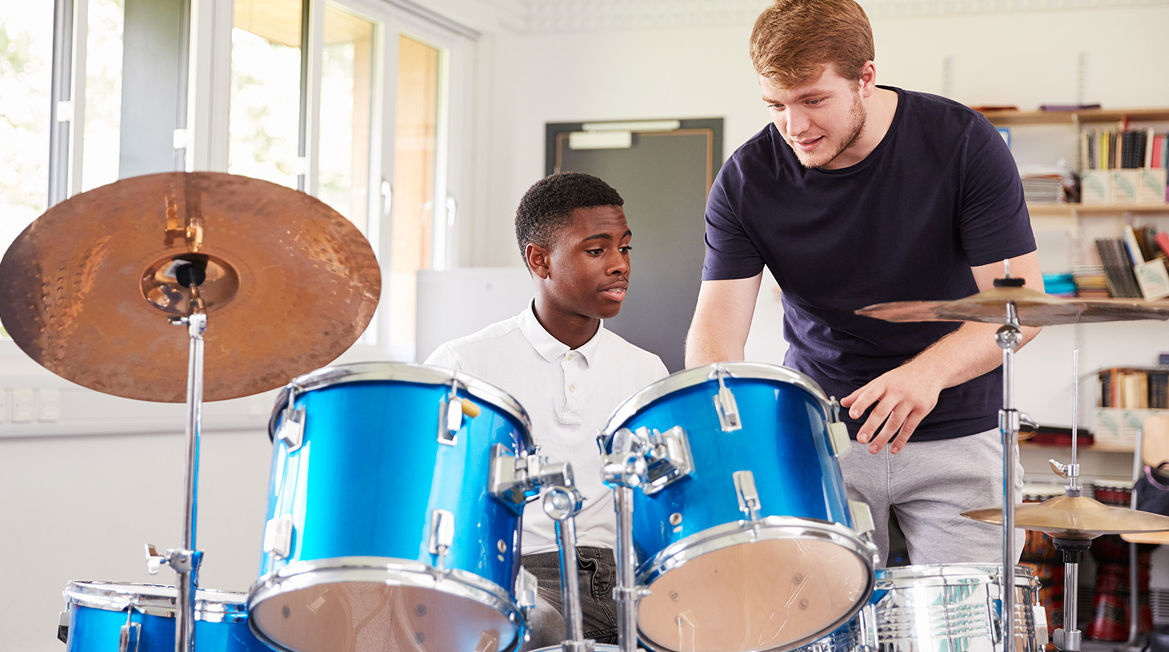
Why Developing Your Own Drumming Style Matters
Many drummers begin by copying others, which is an important part of learning, but true growth comes from creating something personal. Developing your own drumming style allows you to express ideas in a way that feels natural and authentic. It also improves musical confidence, as you become more comfortable experimenting and making creative decisions. A unique style helps you stand out when playing with other musicians and makes your performances more memorable. By focusing on individuality, drummers build a deeper connection with music and develop a sound that reflects their own artistic identity.
Developing Your Style at Different Stages of Learning
Key Elements That Shape Your Drumming Style
Personal experimentation helps you discover rhythms and patterns that feel natural to you.
Listening to different music styles expands your creative perspective and influences your playing.
Consistent practice builds control, allowing your style to develop with clarity and precision.
Playing with others improves adaptability and helps refine your musical identity.
Learning technique provides the foundation needed to express creativity effectively.
Exploring dynamics and timing helps create a more expressive and recognizable sound.
Start learning today with 50% off your first lesson on the instrument of your choice!
Common Mistakes That Prevent You from Developing Your Own Style
How Consistent Practice Shapes Your Drumming Identity
Building Confidence Through Music
One of the most powerful outcomes of drum lessons is the confidence students gain. Drumming requires coordination, multitasking, and focus, and mastering these skills naturally boosts self-esteem. At WIMA, instructors create a supportive atmosphere where students feel encouraged to take risks and push their limits. Every small achievement—whether it’s perfecting a rhythm or performing in front of peers—strengthens confidence. Over time, students realize they are not only improving as musicians but also growing personally. The transformation from hesitant beginner to self-assured performer is one of the most rewarding aspects of our drum classes.
Drumming as a Creative Outlet
Expressing Your Individual Style
Drumming is not only about mastering technique—it’s also about finding your own voice behind the kit. Every student brings a unique perspective, and drum lessons at WIMA encourage individuality. Whether it’s experimenting with unconventional rhythms, exploring different genres, or improvising on the spot, students learn to develop their own signature sound. This sense of freedom turns drumming into an art form, where technique and creativity blend seamlessly.
A Path to Stress Relief and Joy
Beyond artistic expression, drumming serves as an incredible outlet for releasing stress and emotions. Hitting the drums with energy is not only fun but also therapeutic, offering a way to channel frustration or excitement into music. Many students find their lessons become a form of meditation, helping them clear their minds and boost overall well-being. By encouraging both creativity and relaxation, WIMA ensures drumming remains an inspiring and joyful pursuit.
Conclusion: Take the First Step Toward Rockstar Status
Becoming a skilled drummer doesn’t happen overnight, but with the right guidance, anyone can play like a rockstar. At West Island Music Academy, our drum lessons offer the tools, support, and inspiration needed to achieve your musical dreams. Whether you’re in Montreal, Pointe-Claire, Beaconsfield, Côte Saint-Luc, or Saint-Laurent, our academy makes it easy to start your journey. From beginner basics to advanced performance skills, WIMA’s drum classes transform passion into performance. Now is the time to follow the beat of your ambition. Enroll today and discover how exciting it is to sit behind the kit and command the rhythm.