How to Discover and Develop Your Natural Singing Voice

Music has the power to connect people, express emotion, and inspire creativity. Discovering your natural singing voice begins with understanding how your voice works and learning how to use it with confidence. At West Island Music Academy, students are encouraged to explore their sound in a supportive and professional environment. Whether you are a beginner learning to trust your voice or an experienced vocalist refining technique, structured vocal development helps you grow safely. Students build breathing skills, pitch awareness, stage presence, and artistic expression step by step. The goal is not to imitate someone else but to uncover the voice that feels authentic, expressive, and uniquely your own.
Why Choose WIMA for Vocal Lessons in Montreal?

WIMA has earned its reputation as one of the leading music schools in the West Island and greater Montreal area because of its personalized teaching methods and commitment to excellence. Our instructors are professional musicians with years of experience in both performance and education. They tailor each vocal lesson to suit the student’s unique goals, whether those involve preparing for auditions, enhancing live performance skills, or simply enjoying singing as a creative outlet. By blending technical expertise with encouragement, our approach ensures progress that is both measurable and enjoyable. For anyone searching for the right place to take vocal lessons, WIMA offers an exceptional balance of professionalism and warmth.

Why Should Singers Develop Their Natural Voice?

Developing your natural voice helps you sing with authenticity, comfort, and confidence. Instead of forcing a sound, singers learn to strengthen the voice they already have. West Island Music Academy has built a strong reputation in the West Island and greater Montreal area because of its personalized teaching style and commitment to student growth. Instructors understand that every singer has different goals, whether they involve auditions, live performance, creative expression, or personal enjoyment. Each session is shaped around the student’s current ability, vocal habits, and musical interests. By blending technical guidance with encouragement, students learn how to improve without losing the qualities that make their voice unique. For anyone wanting to discover their natural sound, WIMA offers a balance of professionalism, warmth, and individualized support.

What Can You Gain from Discovering Your Voice?

Discovering your voice can improve confidence, vocal control, emotional expression, posture, and breathing. It helps singers become more comfortable using their voice in music and everyday life. Professional vocal development offers far more than technical improvement alone. Students gain confidence as they learn how to breathe efficiently, match pitch, control tone, and interpret songs with emotion. Singing can also support stress relief and emotional resilience because it encourages self-expression and body awareness. With consistent practice, learners develop stronger listening skills, better vocal accuracy, and a clearer sense of musical identity. The confidence built during training often extends into daily communication, public speaking, and personal expression. At WIMA, each step helps students become not only stronger singers but also more empowered individuals.

How Can Vocal Training Be Personalized for All Ages?

Vocal training can be personalized by adapting exercises, pacing, and song choices to the student’s age, voice, and goals. This makes learning effective for children, teens, and adults. One of WIMA’s strengths is its ability to support students at different stages of life and experience. Children often benefit from playful exercises that build pitch awareness and confidence in an engaging way. Teenagers may focus on musical identity, style, auditions, or performance preparation. Adults often appreciate structured guidance that helps them sing for enjoyment, confidence, or creative goals. Whether a student wants to sing casually, prepare for opportunities, or participate in local performances, instructors shape the training around individual needs. With personal attention, each singer receives tools that support steady progress and long-term musical growth.

Which Techniques Help Reveal Your Natural Singing Voice?

The best techniques for revealing your natural voice include breath control, warm-ups, pitch training, range development, and performance expression. These skills help singers sound clear, healthy, and authentic.
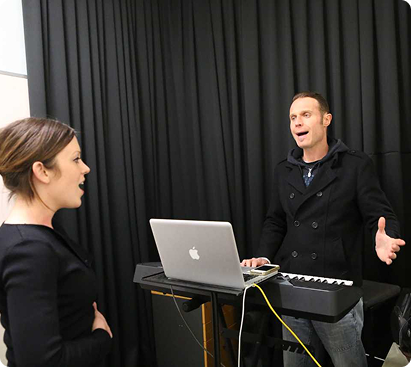
At WIMA, strong foundations lead to artistic freedom. Vocal training emphasizes techniques that strengthen and refine the voice:
$
Proper breathing and diaphragm control
$
Vocal warm-ups to protect and prepare the voice
$
Pitch accuracy and ear training exercises
$
Expanding vocal range safely
$
Stage presence and performance coaching
$
Style exploration: pop, classical, jazz, rock, and more
These elements help students become versatile and confident singers. By combining classical fundamentals with modern styles, WIMA encourages each singer to discover a sound that feels personal, expressive, and naturally suited to their voice.

How Does Montreal’s Music Culture Inspire Vocal Growth?

Montreal’s music culture inspires vocal growth by exposing singers to creativity, diversity, and performance opportunities. A strong local music environment helps students connect training with real artistic expression. Choosing WIMA means becoming part of a vibrant musical community in Montreal and the West Island. Students receive professional guidance while also gaining opportunities to perform locally and build real-world confidence. Communities such as Pointe-Claire and Beaconsfield reflect the rich cultural life of the region, and WIMA helps students participate in that tradition. Whether students come from Côte Saint-Luc, Saint-Laurent, or nearby areas, the academy provides accessible and welcoming vocal development. This local, community-driven experience allows singers to grow in a familiar environment while still receiving high-quality music education shaped by professional standards.

Local Highlights for Students

$
West Island community: A nurturing hub for music education.
$
Montreal culture: A city with vibrant festivals and live performances.
$
Neighborhood access: Pointe-Claire, Beaconsfield, Côte Saint-Luc, and Saint-Laurent provide strong community ties for students.

Why Are Performance Opportunities Important for Voice Development?

Performance opportunities help singers apply technique, manage nerves, and build stage confidence. Singing in front of others turns practice into real experience and strengthens artistic communication. Performance is an important part of discovering and developing the voice. WIMA encourages students to showcase their progress through recitals, concerts, and community events. These experiences allow learners to apply breathing, pitch control, tone, and expression in a supportive setting. Standing on stage also teaches students how to manage stage presence, connect with an audience, and recover from small mistakes. Performing builds camaraderie among peers because students support one another through shared musical growth. By combining training with real-world experience, WIMA helps singers become more confident, expressive, and prepared for future musical opportunities.

Benefits of Performing

$
Builds stage confidence
$
Improves audience connection
$
Enhances vocal projection
$
Provides real-world experience
Performing gives singers a reason to practise with focus and intention. It helps students understand how technique feels under pressure and how emotional expression changes when shared with an audience. These moments often become meaningful milestones, showing students how far their voice has developed.

Start learning today with 50% off your first lesson on the instrument of your choice!

How Can Flexible Training Support Consistent Progress?

Flexible training supports progress by making vocal development easier to fit into school, work, and family schedules. Consistency is one of the most important parts of improving the voice. Every student has different responsibilities, which is why accessible scheduling matters. WIMA offers flexible options to help students continue developing their voice without unnecessary stress. Evening and weekend availability can support working adults, school-age students, and busy families. Remote learning options may also help students maintain consistency when travel is difficult. Located in the West Island, the academy serves a wide range of communities and makes vocal growth easier to sustain. When students can attend regularly, they build stronger habits, better technique, and more confidence over time. Accessibility and adaptability help singers stay committed to their musical journey.

Options for Every Student

$
Evening classes: Perfect for working adults
$
Weekend lessons: Flexible for students with school commitments
$
Online learning: Convenient access from home

How Does Exploring Styles Develop Vocal Identity?

Exploring different styles helps singers understand their natural strengths, tone, and expression. Genre variety allows students to discover where their voice feels most authentic and versatile. Developing your natural voice is not only about hitting the right notes. Students also grow by exploring multiple genres and learning how their voice responds to different musical styles. A solid technical foundation allows singers to move between classical pieces, contemporary songs, jazz standards, rock ballads, and other genres with greater ease. This versatility is helpful for students interested in performance opportunities, but it also benefits hobbyists by keeping learning engaging. As singers explore style, phrasing, dynamics, and tone, they begin to understand their artistic identity. WIMA supports this process by helping each student sing with both control and individuality.

Building Confidence Beyond the Music

The impact of vocal development reaches beyond music itself. Many students discover that as they strengthen their voice, they also build self-esteem, public speaking skills, and more authentic self-expression. Singing encourages vulnerability, creativity, and courage, especially when practised in a supportive environment. Students learn to embrace their sound rather than hide it. These lessons often transfer into school presentations, professional communication, and everyday conversations. At WIMA, helping students find their voice in music often helps them find their voice in life. Developing a natural singing voice becomes a process of personal growth, confidence, and creative freedom.

Enroll Today and Begin Your Journey with WIMA

If you have ever dreamed of singing confidently, now is the perfect time to take the first step. WIMA’s singing lessons in Montreal are designed to nurture talent, build skill, and inspire passion in every student. From children exploring music for the first time to adults rediscovering their love of song, we provide a welcoming and professional space where every voice is valued. With experienced instructors, personalized attention, and a strong local presence, West Island Music Academy is the ideal destination for vocal growth. Enroll today and discover how singing lessons at WIMA can help you find your true voice.

Frequently Asked Questions

1. How can I discover my natural singing voice?
You can discover your natural singing voice by exploring your comfortable range, practicing breath control, matching pitch, and singing songs that feel authentic to your sound. Guided vocal training can help you identify your strengths safely.
2. Why is it important to develop your own voice instead of copying others?
Developing your own voice helps you sing with authenticity, comfort, and confidence. Copying another singer can create strain or limit expression, while natural vocal development supports your unique tone and style.
3. What techniques help develop a natural singing voice?
Helpful techniques include diaphragm breathing, vocal warm-ups, pitch training, ear training, safe range expansion, resonance work, and performance practice. These skills help singers build control without forcing their voice.
4. Can beginners develop a strong natural voice?
Yes, beginners can develop a strong natural voice with patient practice and proper guidance. Starting with simple exercises, comfortable songs, and healthy vocal habits helps build confidence and control gradually.
5. How does exploring different music styles help singers?
Exploring different styles helps singers understand their tone, range, phrasing, and emotional expression. Trying genres like pop, classical, jazz, or rock can help students discover where their voice feels most natural.
6. Why are performance opportunities important for vocal growth?
Performance opportunities help singers apply technique in real situations. Recitals, concerts, and community events build stage confidence, improve projection, and help students connect with an audience.
7. How does vocal development build confidence outside music?
Vocal development can improve self-esteem, public speaking, communication, and self-expression. As students learn to trust their voice, they often feel more confident in school, work, and everyday conversations.
8. How often should singers practice to develop their voice?
Singers should practice several times per week in short, focused sessions. Consistency is more important than long practice sessions, especially when developing healthy technique and natural vocal confidence.