How to Learn Guitar Anywhere Without Losing Consistency
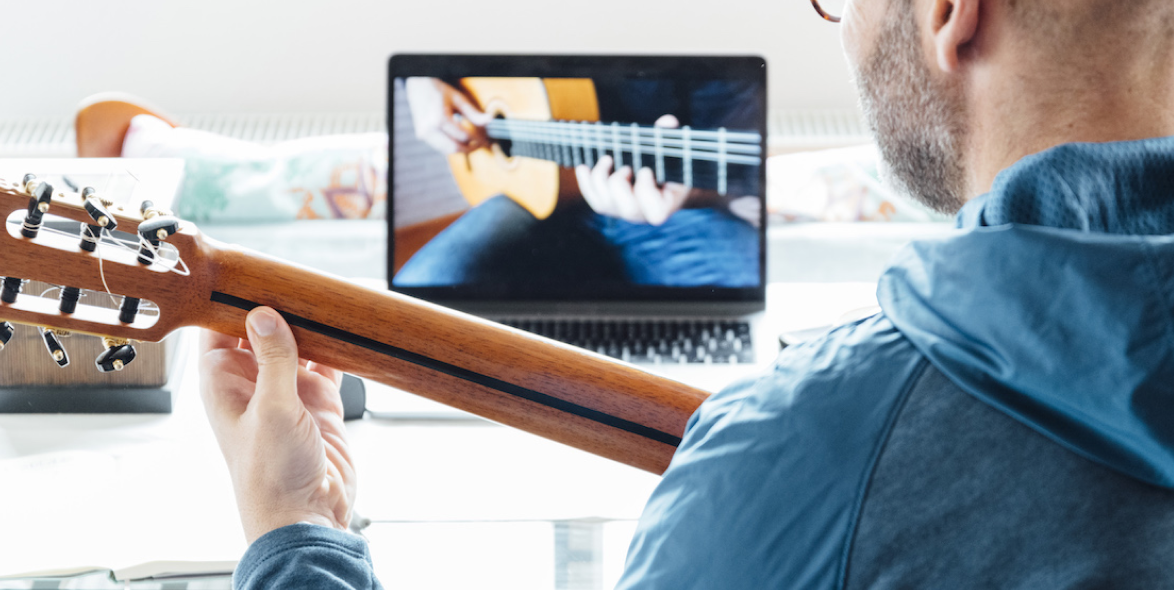
Learning guitar anywhere is possible when practice is flexible, structured, and easy to repeat. Many learners want the freedom to practice from home, while traveling, or between busy daily responsibilities, but consistency can become difficult without a clear routine. The key is building a system that works wherever the learner is. With a simple setup, focused goals, helpful tools, and regular feedback, guitar practice can continue without losing momentum. Whether someone is starting with basic chords or improving advanced technique, consistent practice matters more than location. When learning is organized properly, guitar progress can continue from a bedroom, office, vacation space, or any quiet place where practice feels comfortable.

How Can Guitar Learning Work from Anywhere?

Guitar learning can work from anywhere when students use a simple setup, structured practice plan, and consistent routine. Learning guitar from different locations becomes easier when the process is organized and repeatable. A learner only needs a guitar, a quiet space, basic tools, and a clear plan for each practice session. The routine should include warm-ups, technique work, rhythm practice, and song application so progress continues even outside a traditional learning environment. Beginners can focus on posture, hand positioning, and simple chords, while more experienced players can work on scales, timing, or performance skills. Real-time feedback, recordings, or self-review can also help keep practice on track. With the right structure, location does not have to interrupt musical growth or motivation.

Why Do Students Enjoy Flexible Guitar Learning?

Students enjoy flexible guitar learning because it allows them to practice around their schedule while still following clear goals.

What Makes Flexible Learning Helpful

Expert guidance: Feedback helps learners correct mistakes and improve more efficiently.

Flexible format: Practice can happen at home, while traveling, or in any comfortable space.

Personalized teaching: Routines can match goals, pace, and favorite musical styles.

All ages and levels: Kids, teens, adults, beginners, and advanced players can all benefit from structure.

How Does Guidance Help Learners Stay Consistent Anywhere?

Guidance helps learners stay consistent by providing direction, feedback, and motivation even when practice happens outside a studio. Strong guidance can make flexible guitar learning more reliable. When students practice from different locations, they still need feedback to avoid bad habits and stay focused. Guidance helps learners understand what to practice, how to correct mistakes, and when to move forward. It also keeps motivation high because progress feels supported rather than random. A teacher, mentor, practice plan, or self-review system can help learners stay accountable. This support is especially helpful for beginners who need strong foundations and advanced players who want refined technique. With consistent guidance, guitar practice can remain productive whether the learner is in Montreal, West Island, Saint-Laurent, or anywhere else.

How Can Learners Stay Consistent While Practicing Anywhere?

Learners stay consistent by using a repeatable routine, realistic goals, and short focused practice sessions that can work in different locations. Consistency depends on having a routine that is easy to repeat, even when life changes. Learners should create a simple practice structure that works in many settings, such as 5 minutes of warm-up, 10 minutes of technique, and 10 minutes of song practice. This type of routine helps students keep improving without needing a perfect environment. Parents may appreciate this approach for children, while adults can use it around work or travel schedules. The goal is to make practice accessible rather than complicated. When learners know exactly what to do each time they pick up the guitar, consistency becomes easier to maintain anywhere.

What Practice Path Works for Different Guitar Levels?

A strong practice path adjusts by level, helping beginners build basics, intermediate players refine skills, and advanced players develop expression.

Practice Focus by Skill Level

$
Beginners: Start with chord progressions, strumming, rhythm training, and simple melodies.
$
Intermediate players: Focus on scales, improvisation, and stylistic techniques.
$

Advanced students: Develop composition, lead guitar, performance artistry, and expressive control.

Each level needs a clear path so learners do not feel lost or overwhelmed. Beginners should focus on clean basics before moving into more complex material. Intermediate players need routines that help them break through plateaus and become more fluent. Advanced players benefit from deeper work on creativity, tone, performance, and musical identity. When the practice path matches the learner’s stage, progress becomes easier to measure. This structure also helps prevent skill gaps, especially when learning from different locations or using flexible practice formats.

How Can Technology Support Guitar Learning from Anywhere?

Technology makes guitar learning from anywhere more practical, organized, and engaging. Digital tools can help learners review lessons, track progress, improve timing, and practice with better focus. Recordings allow students to revisit feedback, while metronomes and backing tracks support rhythm and musical confidence. Video tools can help learners observe posture, hand position, and technique more clearly. This makes practice more interactive and prevents students from feeling disconnected when learning outside a traditional setting. Technology also supports creativity by giving learners access to songs, exercises, and musical references wherever they are. When used with structure, technology helps guitar practice stay consistent, flexible, and productive.

Start learning today with 50% off your first lesson on the instrument of your choice!

How Does Practice and Performance Build Confidence?

Practice builds skill, but performance helps learners turn that skill into confidence. Students can prepare songs, record themselves, join virtual showcases, or play for family and friends to apply what they have learned. These performance moments do not need to be formal; even a simple recording can help learners hear progress and identify areas for improvement. Regular performance goals also give students a reason to practice with more focus. Over time, preparing music for others builds stage confidence, tone control, timing, and emotional expression. This process keeps guitar learning exciting and reminds students that practice is not only about exercises, but also about sharing music.

Join a Thriving Online Music Community

Even though lessons are virtual, WIMA creates a sense of belonging. Students connect through group jams, collaborative workshops, and live online events that celebrate creativity and progress. Whether you’re learning from Pointe-Claire or practicing in your home studio across the world, you’ll feel part of WIMA’s vibrant community. These interactions make online guitar lessons feel personal and engaging. They transform learning from a solo activity into a shared journey, helping every guitarist stay motivated, accountable, and inspired.

Start Your Guitar Journey Today

There’s no better time to start learning than right now. WIMA’s online guitar lessons make it simple to begin, wherever you are. Enjoy flexible schedules, world-class teachers, and lessons tailored to your musical goals. Whether you want to play for fun or perform professionally, WIMA’s guitar classes give you the tools, structure, and confidence to succeed. Book your first session and discover how learning online can be just as powerful—and even more convenient—than learning in person. With WIMA, your journey to becoming a skilled guitarist starts today.

Frequently Asked Questions

1. How can learners practice guitar consistently from anywhere?

Learners can stay consistent by using a simple repeatable routine, setting clear goals, and practicing in short focused sessions wherever they are.

2. What is needed to learn guitar from different locations?

A basic setup includes a guitar, a quiet space, a tuner, a practice plan, and useful tools like a metronome, recordings, or backing tracks.

3. Can beginners learn guitar anywhere?

Yes, beginners can learn guitar anywhere if they focus on basic chords, strumming, rhythm, posture, and simple melodies with a clear practice routine.

4. How does flexibility help guitar learners?

Flexibility helps learners fit practice around school, work, travel, and daily responsibilities. This makes it easier to maintain progress without feeling limited by location.

5. How can technology support guitar learning from anywhere?

Technology supports guitar learning through video tools, recordings, metronomes, backing tracks, chord charts, and progress-tracking resources.

6. Why is a structured routine important when learning guitar anywhere?

A structured routine prevents random practice and keeps progress focused. It helps learners know what to practice each time, even when their location changes.

7. How can performance goals improve guitar consistency?

Performance goals give learners a reason to practice with focus. Recording songs, playing for others, or joining showcases can build confidence and motivation.

8. How can guitar learners stay motivated while practicing alone?

Learners can stay motivated by joining a music community, sharing progress, setting milestones, playing favorite songs, and tracking improvement over time.