
How to Play Drums: Step-by-Step Beginner’s Guide
Learning how to play drums is an exciting and empowering experience, especially for beginners discovering rhythm for the first time. Drums are one of the most expressive instruments, allowing players to communicate energy, emotion, and musicality through every beat. At West Island Music Academy in Montreal, instructors make the learning process fun, structured, and accessible so students can build confidence quickly. Whether you dream of joining a band, improving coordination, or simply enjoying a new creative outlet, mastering the basics early on sets you up for success. This step-by-step guide provides a foundation that mirrors what students learn in WIMA’s engaging drum classes, helping every new drummer start strong and stay motivated.
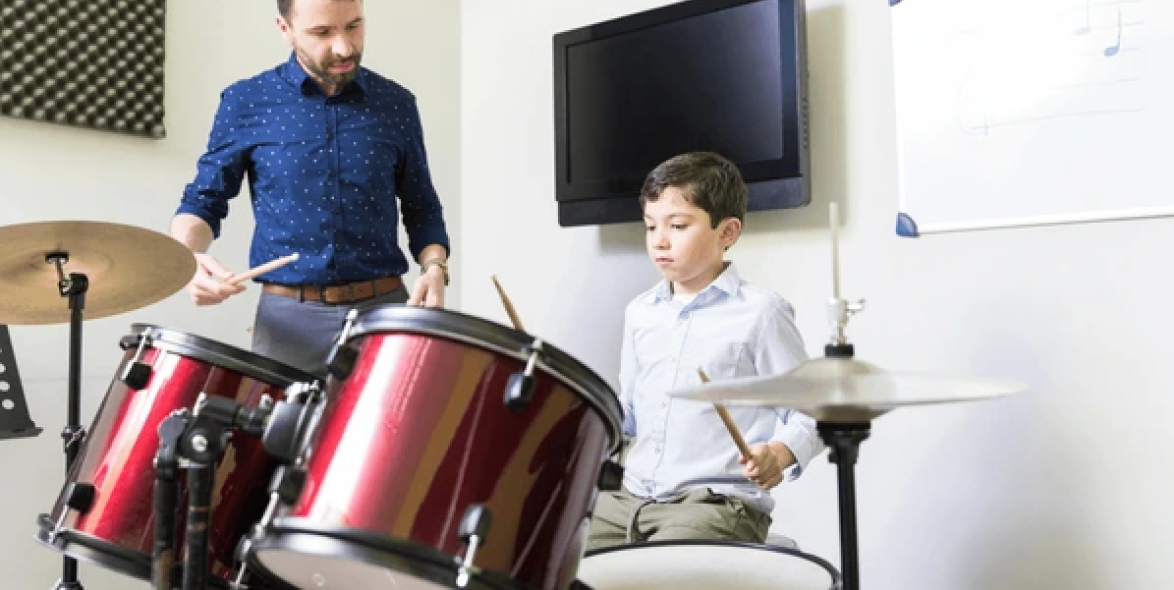
Understanding the Drum Kit
Your first step in learning how to play drums is understanding the main components of the drum kit and how they work together. A standard kit includes the snare drum, bass drum, hi-hat, toms, and cymbals, each producing its own unique sound and role within a rhythm. Beginners often start by learning the feel and function of each piece so they can begin developing coordination between their hands and feet. The snare provides sharp backbeats, the bass drum anchors the rhythm, and the hi-hat keeps steady time. Knowing what each piece does helps you approach practice with clarity and purpose. As you progress, you’ll explore how these elements combine to create grooves, fills, and dynamic patterns.
Learning Proper Grip and Stick Control
One of the first technical skills you’ll encounter when exploring how to play drums is learning the proper stick grip. Good technique allows you to play comfortably and efficiently while minimizing tension. Your instructor will show you how to hold the sticks using matched grip, which is the most common approach for beginners. Once you understand grip basics, you’ll begin practicing controlled movements using rebound strokes and simple exercises. Building early stick control helps create clean, confident playing and lays the foundation for more advanced techniques. At WIMA, beginners learn at a steady pace, ensuring they feel comfortable before moving into more complex drumming exercises found in structured drum classes.
Developing Basic Drum Beats
Your First Rock Groove
As you get more comfortable behind the kit, you’ll learn a basic rock beat—one of the most essential grooves for beginners. This beat helps build timing and teaches the relationship between the bass drum, snare, and hi-hat.
Layering Rhythm Step by Step
Beginners start slowly, learning each limb’s part separately before putting the full pattern together. This method builds strong coordination and rhythm control, making the learning process smoother and more enjoyable.
Essential Skills You’ll Learn as a Beginner
Counting and Rhythm Control
Understanding how to count measures, keep time, and stay consistent is crucial for clean playing.
Hand-Foot Coordination
Practicing simple patterns helps your limbs work independently while staying in sync.

Practicing Simple Drum Fills
In addition to mastering steady beats, learning how to play drums includes practicing drum fills—short rhythmic phrases that transition between sections of a song. Fills help express creativity and provide exciting moments in music. During early lessons, students often start with quarter-note or eighth-note fills, focusing on accuracy rather than speed. These exercises teach you how to move around the drum kit smoothly while maintaining time. Over time, fills become more complex and stylistically varied, allowing drummers to add personality to their playing. Practicing fills slowly and steadily helps develop confidence, ensuring each phrase sounds controlled and intentional as you progress through structured drum classes and independent practice.
How Proper Posture and Setup Improve Performance
One of the most overlooked aspects of learning how to play drums is proper posture and drum kit setup. Sitting at the correct height, maintaining relaxed shoulders, and positioning each drum within comfortable reach all contribute to smoother, more efficient playing. Instructors teach beginners how to set up their drum kit for ergonomics and comfort, reducing the risk of strain during longer practice sessions. Good posture allows drummers to play with power while maintaining control. This early attention to comfort and alignment makes practice sessions more enjoyable and creates healthy habits that support long-term drumming success, whether students continue with drum classes or grow independently.
Understanding Timing and the Role of the Metronome
Rhythm is the heart of drumming, and learning how to play drums means becoming comfortable keeping steady time. A metronome is an essential tool for beginners because it helps develop internal timing and rhythmic precision. Your instructor may begin with slow tempos, encouraging you to feel each beat before introducing more complex patterns. Mastering timing builds musical confidence and helps drummers play more consistently when performing with others. As your skills grow, you’ll explore tempo changes, syncopation, and rhythmic variation. Developing strong timing early on is critical, as it becomes the foundation for all future drumming techniques and musical creativity.
Connecting Drumming to Montreal’s Music Culture
Learning how to play drums in Montreal provides a unique experience because of the city’s rich musical landscape. From cultural festivals to neighborhood events in Saint-Laurent and performances influenced by Côte Saint-Luc’s artistic diversity, new drummers find endless inspiration. Montreal’s rhythmic energy encourages beginners to listen, explore, and connect with music on a deeper level. This environment enriches drum classes and independent practice alike, giving students opportunities to hear live drumming styles ranging from jazz to rock to world rhythms. Being part of the West Island community adds further excitement, as students can attend concerts, local events, and music programs that expand their understanding of rhythm and creativity.
TAKE ADVANTAGE OF A 30-MINUTE LESSON ON THE INSTRUMENT OF YOUR CHOICE FOR 50% OFF!
Building Confidence as a New Drummer
Small Wins Lead to Big Growth
Beginners often worry about coordination or timing, but every small improvement—whether a cleaner beat or a smoother fill—builds confidence and momentum.
Seeing Progress Over Time
Students in Beaconsfield, Pointe-Claire, and across the West Island discover that consistency is the key to unlocking musical potential. Each practice session adds to their growing skill and self-belief.
Why the Right Mindset Makes a Big Difference
Learning how to play drums requires patience, practice, and a positive attitude. Beginners sometimes feel frustrated when patterns feel challenging, but adopting a steady, encouraging mindset helps immensely. Instead of aiming for perfection, students are taught to focus on progress and consistency. Drumming is a physical and mental skill, meaning improvement happens gradually through repetition. Instructors at WIMA help students celebrate small victories and understand that every drummer—beginner or advanced—continuously learns new techniques. Having the right mindset makes learning more enjoyable and builds resilience, allowing students to approach drum classes or home practice with motivation and enthusiasm.
Start Your Drumming Journey with WIMA
Learning how to play drums opens a world of rhythm, creativity, and musical expression. At West Island Music Academy in Montreal, beginners receive expert guidance that helps them build confidence and skill from the very first lesson. Whether you’re practicing simple beats, exploring fills, or developing coordination, the journey is both challenging and deeply rewarding. WIMA’s supportive approach ensures that students of all ages feel inspired as they progress. If you’re ready to begin drumming, explore the possibilities waiting for you through structured drum classes that bring rhythm to life. Start your journey today and discover the drummer you’re meant to become.