How to Play Drums for Beginners – Step-by-Step Guide
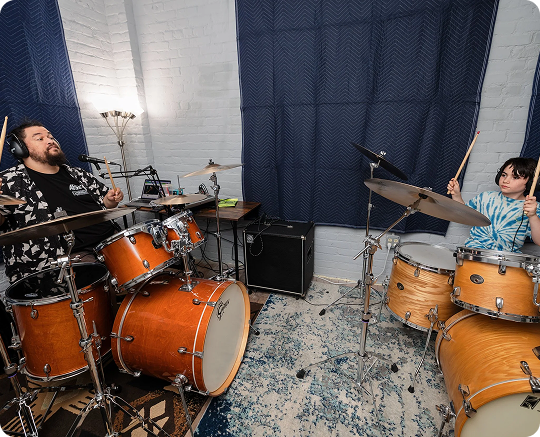
Learning how to play drums is an exciting journey that opens up a world of rhythm, creativity, and self-expression. Whether you’re a complete beginner or someone who’s always tapped on the table to your favorite songs, this guide will walk you through the essentials of starting your drumming journey. At West Island Music Academy in Montreal, we help students of all ages and skill levels build strong foundations in rhythm and coordination while having fun. From learning how to hold drumsticks to playing your first beat, this step-by-step guide covers everything you need to know to get started.

Understanding the Basics of Drumming

Before you can groove like your favorite drummer, it’s essential to understand the basic elements of drumming. A standard drum set includes a bass drum, snare drum, toms, hi-hat, and cymbals. Each part contributes to creating rhythm and dynamics in music. The bass drum gives the beat its thump, the snare drum adds snap, and the hi-hat maintains tempo and texture. Knowing these instruments helps beginners identify the purpose of each sound. At West Island Music Academy, drum instructors break down the kit for you, ensuring you’re comfortable with setup and posture before diving into more complex rhythms.

How to Hold Drumsticks the Right Way

One of the first steps in learning how to play drums is mastering your grip. Your hands are the key to precision and control. There are two main grips — the matched grip, where both hands hold the sticks the same way, and the traditional grip, often used in jazz drumming. For beginners, the matched grip is easier to learn and offers more control. Keep your wrists relaxed, with the sticks angled slightly downward. Practicing the correct grip early on helps prevent tension and makes playing faster and smoother later. Our drum classes in Montreal focus on these fundamentals to set every student up for success.

Setting Up Your Drum Kit

Your drum kit should be arranged to suit your comfort and playing style. Start by adjusting the throne height so your knees form a 90-degree angle. Position the bass drum pedal under your right foot, with the hi-hat slightly to the left. The snare should sit comfortably between your legs, and toms should be easy to reach. Place cymbals within arm’s length to maintain fluid motion. A properly set up kit allows for longer practice sessions without strain. In Pointe-Claire and nearby areas, many students join our sessions where instructors guide them in achieving ideal ergonomics and posture for effective drumming.

Learning to Read Drum Notation

Drum notation is like the alphabet of rhythm — it tells you when and what to play. Notes on the staff correspond to different parts of the drum kit, such as snare, kick, and cymbals. Start with basic quarter and eighth notes, gradually building to more complex patterns. Reading notation improves timing, coordination, and versatility, helping you play with bands or along to tracks. At West Island Music Academy, we integrate reading exercises into our drum classes to help students progress from playing simple beats to reading full musical arrangements confidently.

Practicing Your First Drum Beat

Once you understand notation and setup, it’s time to create your first beat. The most common beginner pattern is a basic rock beat.
 Here’s a simple step-by-step structure to follow:

Step 1: Play the bass drum on beats 1 and 3.

Step 2: Hit the snare drum on beats 2 and 4.

Step 3: Keep the hi-hat steady with eighth notes throughout.

Step 4: Repeat slowly, then increase your speed as you become comfortable.

This rhythm forms the backbone of countless songs. Practicing with a metronome helps you maintain consistent timing — an essential skill for every drummer.

Developing Hand and Foot Coordination

Drumming is all about independence between your limbs. At first, playing different rhythms with your hands and feet can feel unnatural. Start by isolating each movement — play the bass drum alone, then add the snare, followed by the hi-hat. Slowly combine all three until your motions feel seamless. Over time, your muscle memory will improve, allowing you to perform effortlessly. In Beaconsfield, many beginner drummers practice coordination drills taught at West Island Music Academy, gradually developing control and confidence with every lesson.

Essential Drumming Exercises for Beginners

Like any instrument, practice makes perfect. Building technique through consistent exercises is key to becoming a confident drummer. Try these essential drills:
$
Single Strokes: Alternate hands — right, left, right, left.
$
Double Strokes: Two hits per hand — right, right, left, left.
$
Paradiddles: A combination of both — RLRR LRLL.
$
Bass Pedal Practice: Strengthen your foot by playing steady kicks with a metronome.

These exercises improve timing, endurance, and control. In our drum classes, students incorporate these patterns into warmups to develop precision and rhythmic flow.

Playing Along with Songs You Love

One of the most enjoyable parts of learning how to play drums is playing along with your favorite tracks. Choose simple songs with clear beats, such as pop or rock classics. Focus on maintaining the rhythm rather than playing every fill. This exercise helps connect your technical practice with real music, building confidence and groove. Listening carefully to drummers like Ringo Starr or Phil Collins can inspire you to develop your own style. At West Island Music Academy, students are encouraged to bring in their favorite songs and jam with instructors during sessions for a truly interactive experience.

TAKE ADVANTAGE OF A 30-MINUTE LESSON ON THE INSTRUMENT OF YOUR CHOICE FOR 50% OFF!

Building Confidence Through Drum Classes in Montreal

Taking drum classes offers structure, guidance, and motivation — all vital for steady progress. Whether you’re in Côte Saint-Luc, Saint-Laurent, or anywhere in the West Island, the music programs at West Island Music Academy are designed to help beginners develop essential skills at their own pace. Our expert instructors blend technical training with creative exploration, ensuring students not only learn the instrument but also build stage confidence. Group sessions provide a chance to collaborate with fellow drummers, while private lessons allow focused attention on personal goals.

Tips to Stay Motivated as You Learn Drums

Learning drums takes time, patience, and consistency. Set realistic goals, such as mastering one new rhythm each week or practicing for 20 minutes daily. Record your sessions to track improvement and celebrate small wins. Switching between practice exercises and song play-alongs keeps things fun. Remember that every great drummer started where you are — with the first beat. At West Island Music Academy, our supportive environment ensures that students remain encouraged and excited about their musical journey, turning initial curiosity into lifelong passion.

Conclusion: Start Your Drumming Journey Today

Now that you understand the basics of how to play drums, it’s time to put what you’ve learned into action. The right guidance, structured practice, and enthusiasm will take you from beginner to confident performer. Whether you’re aiming to join a band, explore rhythm for fun, or perform on stage, every beat brings you closer to mastery. Join the drum classes at West Island Music Academy in Montreal and start developing your unique rhythm today — one drumbeat at a time.