
How to Play Drums – Step-by-Step Guide for Beginners
Learning how to play drums is one of the most rewarding journeys for any aspiring musician. Whether you dream of joining a band, improving your rhythm, or simply playing for fun, the drums are an instrument that brings energy and excitement to every performance. At West Island Music Academy in Montreal, beginners of all ages can discover the joy of drumming with the guidance of experienced instructors. This step-by-step guide will walk you through everything you need to know—from understanding drum kit basics to developing your first beats—so you can build confidence and start making music right away.

Understanding the Drum Kit
Before you begin to play, it’s important to understand the parts of a drum set. A standard drum kit includes the bass drum, snare drum, toms, hi-hat, and cymbals. Each piece contributes to the overall rhythm, giving you a wide range of sounds to experiment with. For example, the snare provides crisp accents, while the bass drum creates powerful low tones. Beginners should first learn the role of each drum and cymbal, focusing on how they work together to create rhythm and balance. At our Pointe-Claire location, students often start with a simplified kit to make the learning curve smoother.
Setting Up Your Drums Correctly
Proper setup makes a huge difference when learning how to play drums. Adjust your drum throne so your knees are at a comfortable angle, position the snare in front of you, and make sure the bass drum pedal feels natural under your foot. Cymbals should be within easy reach without stretching. A well-set kit reduces strain and allows you to practice longer without discomfort. Many beginners overlook this step, but a comfortable setup helps you stay focused on rhythm rather than posture. In Beaconsfield, students in our drum classes often begin by fine-tuning their setup before diving into beats.
Learning Basic Drum Notation
Like any instrument, drumming involves reading music. Drum notation may look different from piano or guitar sheet music, but it follows a simple system. Each drum and cymbal has a designated line or space on the staff. The snare, bass, and hi-hat are most common in beginner exercises. By learning notation, you can follow drum charts and understand rhythms more clearly. This skill opens the door to playing along with your favorite songs and collaborating with other musicians. At West Island Music Academy, many beginners gain confidence by combining practice in notation with hands-on playing.
Holding the Drumsticks the Right Way
Learning to hold drumsticks properly is crucial for control and technique. Most beginners start with the matched grip, where both hands hold the sticks the same way. Your thumb and index finger act as a pivot while the other fingers provide balance. Keep your grip relaxed to avoid tension, as tight hands limit speed and flexibility. Practicing with loose but controlled strokes allows you to build endurance over time. As you progress, you may also explore traditional grip, often used in jazz drumming. Students at our Saint-Laurent studio are encouraged to experiment with both grips under instructor guidance.

Starting with Simple Rhythms
When you’re just beginning, keep things simple. A basic rock beat is often the first rhythm new drummers learn. It usually combines the bass drum on beats one and three, the snare on beats two and four, and a steady hi-hat pattern. Practicing slowly allows you to focus on coordination before increasing speed. Over time, you can add variations, like open hi-hats or extra snare hits, to make rhythms more dynamic. Building a strong foundation with simple patterns prepares you for more advanced drumming styles. In Côte Saint-Luc, many beginners enjoy learning these beats during their first lessons.
The Basic Rock Beat
The rock beat is the foundation of drumming. It’s simple, effective, and used in countless songs. Mastering this pattern gives beginners confidence and a clear sense of rhythm.
Adding Variations
Once the core beat feels natural, experiment with variations. Opening the hi-hat on certain beats or adding ghost notes on the snare can make your playing sound more creative and lively.
TAKE ADVANTAGE OF A 30-MINUTE LESSON ON THE INSTRUMENT OF YOUR CHOICE FOR 50% OFF!
Developing Hand and Foot Coordination
Coordination is one of the most important skills for drummers. Since both hands and feet are used simultaneously, beginners often find it challenging to stay synchronized. Start with basic exercises, such as alternating bass drum hits with snare strikes while maintaining a steady hi-hat rhythm. Repetition helps your body build muscle memory, making movements more natural. Another useful tip is to count aloud while playing, which reinforces timing. As you gain control, coordination exercises become easier, and you’ll be able to play more complex rhythms with confidence. Patience and consistent practice are key to mastering this step.
Basic Coordination Exercise
Begin with a simple pattern: play steady eighth notes on the hi-hat while alternating bass drum and snare. This helps connect hand and foot timing.
Advancing Your Coordination
As you grow comfortable, introduce syncopation and fills. These exercises challenge independence between limbs and help prepare you for real songs and live performance.
Exploring Different Drum Styles
Once you’re comfortable with basic rhythms, exploring different drumming styles will expand your skills. Rock, jazz, funk, and Latin drumming each have unique patterns and techniques. For example, jazz emphasizes swing rhythms, while funk relies on syncopated grooves. Playing across genres not only keeps practice exciting but also makes you a versatile drummer. Many students in our Montreal drum classes find inspiration by experimenting with their favorite music styles, building confidence as they discover which genres suit their personality and goals. This exploration often sparks creativity and motivates drummers to keep improving.
Practicing with a Metronome
A metronome is an essential tool for learning how to play drums. It provides a steady tempo, helping you develop timing and rhythm consistency. Start at slower speeds, gradually increasing as your comfort improves. Practicing with a metronome ensures you can lock into a beat without rushing or dragging. This is especially helpful if you plan to play with other musicians, as staying in time is the foundation of any band performance. At West Island Music Academy in Montreal, instructors often incorporate metronome practice into lessons, encouraging students to use it daily at home as well.
Why Take Drum Classes at West Island Music Academy?
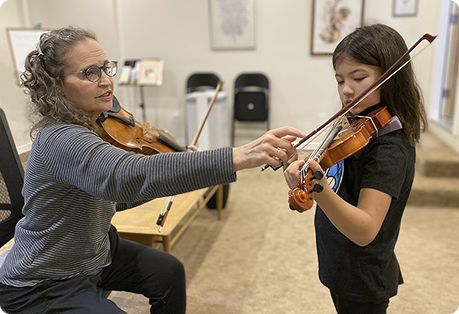
While self-teaching is possible, guided instruction accelerates progress. At West Island Music Academy, professional instructors provide personalized lessons tailored to each student’s goals. Whether you’re in Montreal, Pointe-Claire, Beaconsfield, Saint-Laurent, or Côte Saint-Luc, our drum classes help beginners gain confidence while enjoying the learning process. Lessons cover everything from setup and technique to advanced rhythms and improvisation. With access to supportive teachers and a motivating community, students not only learn faster but also build a lifelong love of music. Enrolling in classes ensures you avoid bad habits and master skills the right way from the start.
Conclusion: Start Your Drumming Journey Today
Learning how to play drums is more than just picking up sticks—it’s about building rhythm, coordination, and creativity. By starting with the basics, practicing regularly, and exploring different styles, you’ll discover the excitement that comes with making music. At West Island Music Academy in Montreal, beginners receive the support and guidance they need to grow into confident drummers. Whether you’re in Pointe-Claire, Beaconsfield, Côte Saint-Luc, or Saint-Laurent, our drum classes are the perfect way to begin your journey. Take the first step today, and experience the energy and joy of drumming for yourself.