How to Understand and Strengthen Your Natural Voice

Understanding and strengthening your natural voice begins with recognizing that every singer has a unique tone, range, and expressive quality. Vocal development is not about copying another performer or forcing your voice into an unnatural style. It involves learning how breathing, posture, pitch, resonance, and vocal coordination work together. Beginners may initially feel uncertain about their sound, while experienced singers may want greater control, consistency, or expression. Through patient exploration and healthy practice, singers can identify their vocal strengths and address areas that require improvement. Developing this awareness makes singing feel easier, safer, and more personal. Over time, your natural voice can become clearer, stronger, and increasingly reliable without losing the individual qualities that make it distinctly yours.
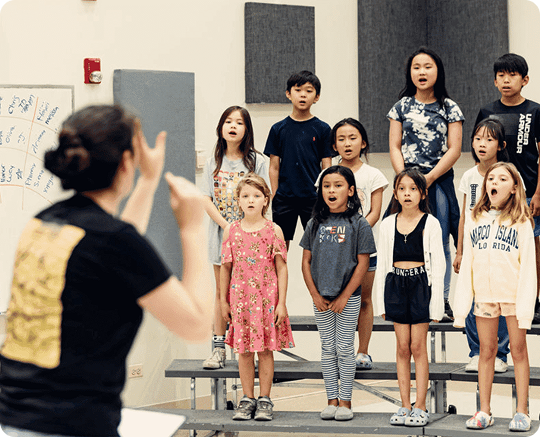
How Can You Understand Your Natural Voice?

You can understand your natural voice by identifying your comfortable range, tone, resonance, breathing habits, and areas of tension through careful listening and guided practice. Understanding your voice starts with observing how it feels and sounds without forcing it. Singers should notice which notes feel comfortable, where register changes occur, and whether tension appears in the throat, jaw, or shoulders. Recording short practice sessions can reveal pitch, tone, pronunciation, and breath issues that may be difficult to notice while singing. Gentle warm-ups also help singers explore their range safely and recognize their natural vocal qualities. Posture and alignment influence airflow, while resonance affects richness and projection. As singers develop greater awareness of these elements, they can make informed adjustments. This knowledge creates a foundation for healthier technique, stronger control, and authentic expression.

What Skills Help Strengthen Your Natural Voice?
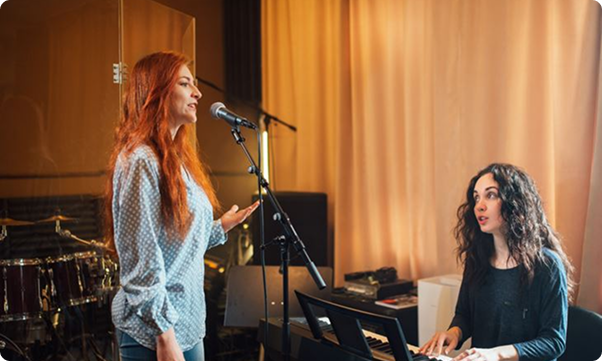
Breath control, pitch awareness, resonance, articulation, and musical expression work together to make a natural singing voice stronger and more dependable.

Technical Skills
Breath support and controlled airflow
Pitch stability and attentive listening
Resonance and balanced tone production

Musical Skills
Exploring suitable vocal styles
Understanding lyrics and phrasing
Developing expressive confidence

These skills help singers strengthen their voices without sacrificing their natural tone. Technical exercises provide control and vocal stability, while musical development helps singers communicate emotion and personality. A balanced routine should include both areas so that vocal improvement remains healthy, practical, and expressive.

How Does Healthy Technique Strengthen Your Voice?

Healthy vocal technique strengthens the voice by improving coordination, reducing unnecessary tension, and supporting consistent sound production without strain. Vocal strength develops through control rather than excessive volume or force. Healthy practice may include vowel shaping, register transitions, articulation exercises, breath pacing, and resonance work. These techniques help singers move between notes smoothly while maintaining a balanced tone. Repetition is important, but exercises should remain comfortable and appropriate for the singer’s current ability. Pushing high notes, singing loudly for extended periods, or ignoring discomfort can create tension and limit progress. Targeted feedback can help singers recognize inefficient habits and replace them with healthier coordination. As technique becomes more dependable, pitch stabilizes, projection improves, and different vocal colors become easier to access. The result is a stronger, more flexible voice that remains natural and expressive.

How Does Confidence Support Vocal Development?

Confidence supports vocal development by helping singers experiment, express emotion, accept mistakes, and use their voices without unnecessary physical or mental tension. Confidence often grows when singers understand what their voices can do and recognize their progress. A supportive practice environment allows them to explore sound without feeling judged or pressured to be perfect.

Ways to Build Vocal Confidence

$
Use gentle warm-ups to reduce tension
$
Set realistic and measurable practice goals
$

Experiment with different tones and styles

$
Choose songs that feel personally meaningful
$
Practise performing in low-pressure settings
These experiences gradually replace uncertainty with self-awareness. As singers become more comfortable making mistakes and adjusting their technique, they learn to trust their natural sound.

Why Is Breath Support Important for Your Natural Voice?

Breath support stabilizes your natural voice by controlling airflow, sustaining phrases, improving pitch, and reducing pressure around the throat. Efficient breathing gives the voice a steady source of energy. Singers can develop this skill through exercises that encourage relaxed inhalation, controlled exhalation, and coordination between breathing and sound. Breath support should not involve pushing excessive air or tightening the abdominal muscles. Instead, it helps singers release air gradually according to the demands of each phrase. Stronger breath coordination improves vocal stamina, dynamic control, and pitch stability. It also allows singers to hold notes longer and shape phrases more expressively. When airflow becomes reliable, the throat does not need to compensate through tension. Over time, effective breath support gives the natural voice greater freedom, power, and consistency while preserving vocal comfort.

How Can Personalized Guidance Improve Your Voice?

Personalized guidance improves your voice by matching exercises, songs, and technical feedback to your individual range, habits, strengths, and musical goals. No two singers have exactly the same vocal characteristics or developmental needs. One person may need help stabilizing pitch, while another may focus on resonance, register transitions, stamina, or articulation. Personalized guidance begins by evaluating comfortable range, tone quality, breathing habits, musical interests, and areas of tension. Exercises can then be selected to address specific challenges without overwhelming the singer. Individual feedback is particularly useful because some vocal habits are difficult to identify alone. A suitable learning plan can also evolve as the voice becomes stronger and goals change. This tailored approach keeps practice relevant, encouraging, and productive while helping singers preserve the qualities that make their voices unique.

Learning in a Supportive West Island Vocal Community

WIMA is home to a vibrant musical community that supports and motivates singers across the West Island and broader Montreal area. Students from Pointe-Claire, Côte Saint-Luc, Beaconsfield, and Saint-Laurent come to the academy for its welcoming environment and high-quality vocal lessons. Singing classes are designed to help students feel safe expressing themselves, experimenting with new techniques, and performing in front of others. This sense of community encourages peer support, collaboration, and shared enthusiasm for learning. Whether practicing solo pieces or preparing for group showcases, singers benefit from an uplifting atmosphere that helps them stay motivated and inspired throughout their vocal journey.

TAKE ADVANTAGE OF A 30-MINUTE LESSON ON THE INSTRUMENT OF YOUR CHOICE FOR 50% OFF!

How Does Natural Vocal Development Differ by Age?

Natural vocal development differs by age because children, teenagers, and adults have distinct physical needs, learning styles, confidence levels, and musical goals. Children often develop their voices through playful pitch exercises, rhythm activities, simple songs, and creative exploration. Healthy instruction should avoid forcing volume or range while a young voice is still developing. Teenagers may experience vocal changes that affect register, tone, and stability, making patience and adaptable exercises especially important. They may also use singing to explore identity and emotional expression. Adults often focus on releasing tension, improving technique, building confidence, or reconnecting with a lifelong interest in music. Although the learning process differs, singers at every age can improve. Age-appropriate practice helps each person strengthen their natural voice safely while enjoying steady, realistic development.

Conclusion: Master Your Voice with Professional Singing Classes at WIMA

Mastering your voice is a lifelong journey filled with discovery, growth, and self-expression. With professional vocal lessons and supportive singing classes at West Island Music Academy, students gain the tools, technique, and confidence needed to reach their vocal potential. Through personalized instruction, stylistic exploration, and a nurturing community, singers learn to embrace their natural sound and develop their own artistic identity. Whether you’re just beginning or advancing your skills, WIMA offers the guidance and inspiration you need to thrive. Start your vocal journey today and experience how transformative singing classes can be when supported by expert instructors who believe in your voice.

Frequently Asked Questions

1. How can I understand my natural singing voice?
Identify your comfortable range, natural tone, register changes, breathing habits, and areas of tension through gentle exercises and careful listening.
2. Can everyone strengthen their natural voice?
Yes. Most people can improve vocal strength, pitch, control, and expression through healthy technique, suitable exercises, and consistent practice.
3. Which skills are essential for vocal development?
Important skills include breath support, pitch awareness, resonance, articulation, posture, register coordination, listening, and emotional expression.
4. How does breath support improve the voice?
Breath support provides controlled airflow, helping singers sustain phrases, stabilize pitch, improve stamina, and sing without unnecessary throat tension.
5. How can singers build vocal confidence?
Singers can build confidence through realistic goals, meaningful songs, regular practice, positive feedback, and gradual exposure to low-pressure performances.
6. Why is personalized vocal guidance helpful?
Personalized guidance provides exercises and feedback suited to the singer’s range, strengths, challenges, musical preferences, and developmental goals.
7. Should singers try to copy their favourite performers?
Singers can learn from other performers, but copying them too closely may create strain. The goal should be developing an authentic, healthy sound.
8. Does natural vocal development differ by age?
Yes. Children, teenagers, and adults have different physical needs, learning styles, confidence levels, and goals that require age-appropriate vocal practice.