Music Lessons Explained: Benefits & How Long It Takes to Improve

Music lessons play a crucial role in building musical ability, confidence, and long-term creativity. Whether you are enrolling a child for their first instrument or starting lessons as an adult, understanding how music lessons work and what progress looks like helps set realistic expectations. At a professional music school, music lessons are structured to guide students step by step. In Montreal and the West Island, students benefit from lessons that combine technique, creativity, and consistent feedback, creating steady and measurable improvement over time. This guide explains what music lessons involve, why they are effective, and how long it usually takes to see results.
What Are Music Lessons and How Do They Work?

Music lessons are structured learning sessions led by trained instructors that develop technique, musical understanding, and confidence through guided practice. Music lessons typically take place weekly and are designed around the student’s age, experience level, and musical goals. In a reputable music school, lessons are not generic. Each student follows a personalized learning path that evolves as their skills grow. Lessons focus on building strong fundamentals early. This includes posture, rhythm, coordination, and basic music theory. As students progress, lessons expand into musical expression, accuracy, and performance skills. This structured approach prevents common mistakes and helps students improve efficiently rather than relying on trial and error.

The Benefits of Music Lessons Beyond Learning an Instrument

Music lessons improve focus, discipline, confidence, and cognitive skills while developing strong musical foundations. Music lessons provide benefits that extend far beyond playing notes correctly. Students develop mental and personal skills that support learning in other areas of life.

Core Benefits of Music Lessons

$
Improved concentration, memory, and listening skills
$
Increased self-confidence through steady achievement
$
Better discipline and time management
For children, music lessons support academic growth and emotional development. For adults, they offer mental stimulation, personal fulfillment, and a structured way to engage with music in a meaningful way. A professional music school ensures these benefits develop consistently over time.

Private vs Group Music Lessons: What to Expect

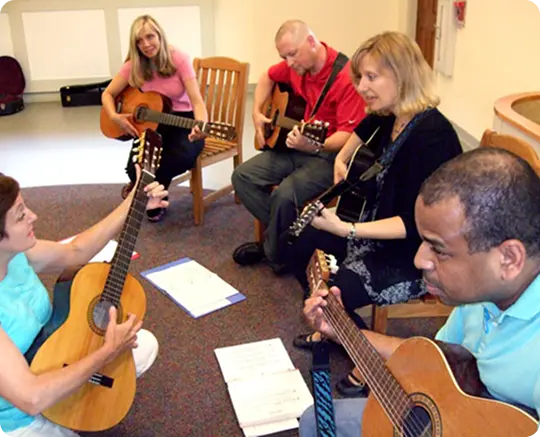
Music lessons can be delivered in private or group formats, and both serve important roles in musical development. Private music lessons focus on individual progress, allowing instructors to adjust pacing and material precisely. Group music lessons emphasize listening, timing, and collaboration, helping students learn how music works in a shared setting. A quality music school often recommends one format over the other depending on the student’s age, personality, and goals. In many cases, students benefit from combining both approaches at different stages of learning.

Start learning today with 50% off your first lesson on the instrument of your choice!

Music Lessons for Different Age Groups
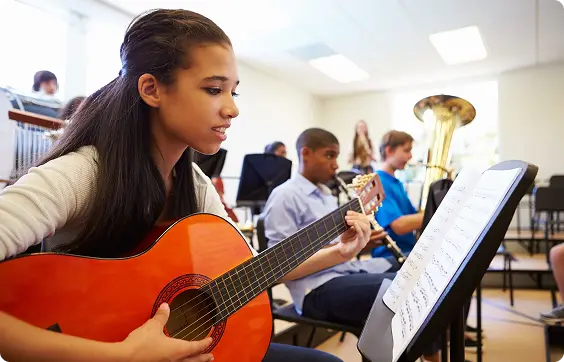
Music lessons are effective at any age. The difference lies in teaching approach rather than ability. Children benefit from playful and engaging instruction, teens respond well to goal-oriented learning, and adults thrive with flexible, pressure-free lessons. A professional music school adapts music lessons to suit each age group while maintaining the same educational standards. This ensures that learning remains enjoyable, productive, and sustainable over the long term.

Choosing the Right Music School in Montreal and the West Island

The success of music lessons depends heavily on the learning environment. A dedicated music school provides structure, accountability, and experienced instruction that self-learning cannot replace. Students across Montreal and the West Island benefit from music lessons that are accessible, consistent, and professionally guided. Families often look for a music school close to home in areas such as Pointe-Claire, Côte Saint-Luc, Beaconsfield, and Saint-Laurent, making regular attendance easier and more sustainable.

Final Thoughts on Music Lessons

Music lessons are a long-term investment in skill, creativity, and personal growth. With realistic expectations, consistent practice, and the guidance of a professional music school, students of all ages can make steady and rewarding progress. Whether your goal is performance, personal enjoyment, or lifelong musical literacy, music lessons provide the structure and support needed to turn interest into real ability.

Frequently Asked Questions

1. How often should I take music lessons to see progress?
Most students see steady improvement with one weekly music lesson combined with regular home practice. Consistency matters more than lesson length.
2. Are music lessons suitable for complete beginners?
Yes. Music lessons at a professional music school are designed for beginners and start with fundamentals like rhythm, posture, and basic technique.
3. How long should daily practice be between music lessons?
For beginners, 15–30 minutes per day is enough. As skills improve, practice time can gradually increase for faster progress.
4. Is it harder to start music lessons as an adult?
No. Adults often progress well in music lessons because they are motivated and focused, even if learning speed differs from children.
5. What’s the difference between private music lessons and group lessons?
Private music lessons focus on individual progress and personalization, while group lessons build timing, listening skills, and confidence playing with others
6. Do music lessons include learning music theory?
Yes. Music lessons naturally include music theory such as rhythm, note reading, and structure, taught in a practical and easy-to-understand way.
7. How do I know if a music school is right for me or my child?
A good music school offers qualified instructors, structured lessons, clear progress tracking, and an environment that keeps students motivated.
8. Can music lessons help with confidence and focus?
Absolutely. Music lessons improve concentration, discipline, and self-confidence through goal-setting, repetition, and measurable progress.