
Music Lessons for Kids & Adults: How to Choose the Best Instrument & Teacher
Choosing the right path for music lessons can shape a person’s lifelong connection to creativity, confidence, and musical expression. For children, learning music builds discipline, motor skills, and emotional awareness. For adults, it offers stress relief, personal fulfillment, and the joy of mastering something new. Whether in the West Island or across Montreal, families and learners often begin their journey by deciding which instrument to study and which music school can provide the best instruction. Because every student—child or adult—has unique interests and learning styles, selecting the right instructor and instrument becomes essential. The best music lessons are built on strong teacher-student relationships, thoughtful curriculum, and an environment that supports curiosity. This article explores how to choose an instrument, how to select a qualified teacher, and how a great music school can guide your musical development from first lesson to confident performer.
Why Music Lessons Matter at Every Age
How to Choose the Best Instrument
Follow the Student’s Musical Interests
Match the Instrument to Age & Coordination
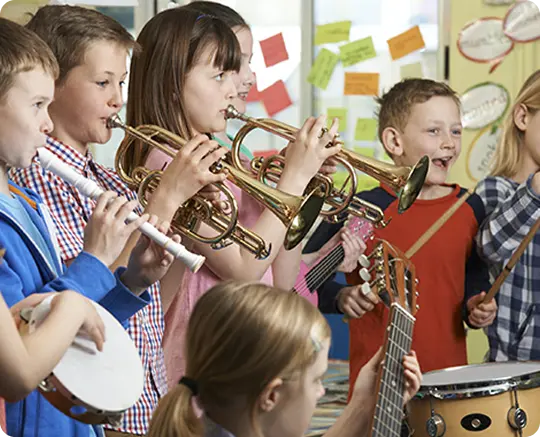
Younger children often start with piano, ukulele, violin, or voice because these instruments support early coordination. Instruments like saxophone or trumpet generally suit older students with more lung capacity. A music school can help evaluate readiness.
Consider Physical Fit & Comfort
Think About the Home Environment
Understand Ongoing Costs & Maintenance
How to Choose the Right Music Teacher
Review the Teacher’s Musical Background
Look for teachers with strong musical education, performance experience, and expertise in the chosen instrument. A knowledgeable teacher creates structured lessons that build technique and musical understanding.
Assess Teaching Style & Personality
Some instructors are detail-oriented and classical in approach, while others emphasize creativity and modern styles. Young children benefit from teachers who are playful and patient. Adults may prefer instructors who explain theory clearly and respect personal learning pace.
Evaluate Communication Skills
Clear explanations, positive reinforcement, and constructive feedback are essential. In online lessons, communication becomes even more important, making clarity and patience key qualities.
Ensure Alignment With Musical Goals
Whether a student wants to prepare for exams, join a band, sing confidently, or simply enjoy playing piano at home, the right teacher supports those goals through personalized music lessons.
The Role of a Music School in Long-Term Growth
What Your First Music Lesson Looks Like
Online vs. In-Person Music Lessons
Modern music schools offer both online and in-studio options. Each provides unique advantages, and many students switch formats depending on schedule or preference.
In-Person Lessons Offer: