
Piano Class Essentials: What Happens in Your First Lesson & How to Prepare
Starting a piano class is an exciting first step into the world of music. Whether you’re a beginner or returning after a long break, knowing what your first piano class includes helps you feel confident and ready. At West Island Music Academy (WIMA), with studios in Pointe-Claire, Côte Saint-Luc, Beaconsfield, and Saint-Laurent, every piano teacher focuses on creating an enjoyable, personalized introduction to music. This guide explains exactly what happens in your first lesson, how to prepare, and how to build long-term success with your piano teacher.
What Happens in Your First Piano Class?
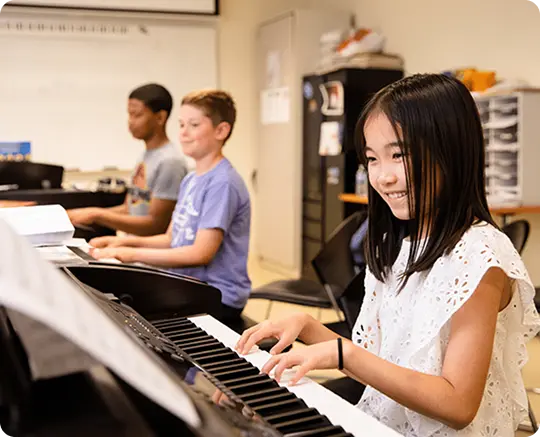
In your first piano class, your piano teacher evaluates your background, introduces posture and hand position, explains keyboard layout, and guides you through your first notes or simple exercises. A beginner-friendly piano class is designed to feel welcoming. Your piano teacher starts by asking about your goals—whether you want to learn classical pieces, pop songs, jazz improvisation, movie themes, or simply play for enjoyment. This conversation helps your piano teacher tailor each lesson to your musical interests. Next, you’ll explore the piano itself. Expect to learn where the notes are located, how black and white key patterns repeat, and how to sit comfortably. Your piano teacher also demonstrates basic hand shape and touch, making sure that you build healthy habits from day one.
Even if you’ve never touched a piano before, most students leave their first piano class playing their first melody or pattern. The aim is confidence, not perfection—and your piano teacher will guide you every step of the way.
How to Prepare for Your First Piano Lesson
The Important Role Your Piano Teacher Plays
Your Learning Space: What You Can Expect in the Studio
The First Skills You Learn in a Piano Class
1. Keyboard Layout
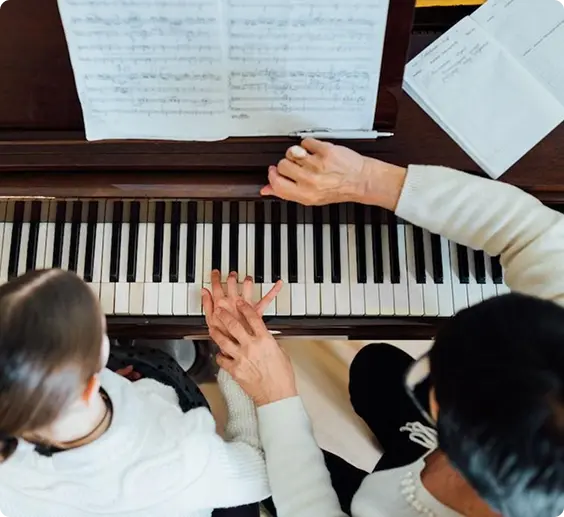
Every beginner starts by learning the geography of the piano. In your piano class, you’ll learn how notes repeat and how to locate important reference points like middle C.
2. Posture & Technique
Your piano teacher will show you how to sit correctly, use relaxed wrists, and keep your fingers curved for better control.
3. Basic Rhythms
Clapping patterns, counting aloud, and simple exercises help you understand timing—a core skill in every piano class.
4. Reading Music
Your piano teacher gradually introduces written notes, symbols, and patterns, making it easier to learn new songs independently.
5. Playing Your First Song
Most students play a short melody during their initial piano class. This early achievement encourages consistency and confidence.