Top Easy Piano Songs for Beginners to Learn Step by Step

Learning the piano is one of the most rewarding musical journeys you can embark on. For beginners, finding the right songs to start with is essential for building confidence and mastering basic techniques. At West Island Music Academy, our expert instructors guide students through an engaging mix of simple yet beautiful piano pieces that make learning both fun and fulfilling. Whether you’re completely new to piano or just brushing up on your skills, these songs offer a clear and inspiring way to get started. Let’s explore some of the top easy piano songs for beginners and how you can learn them step by step.
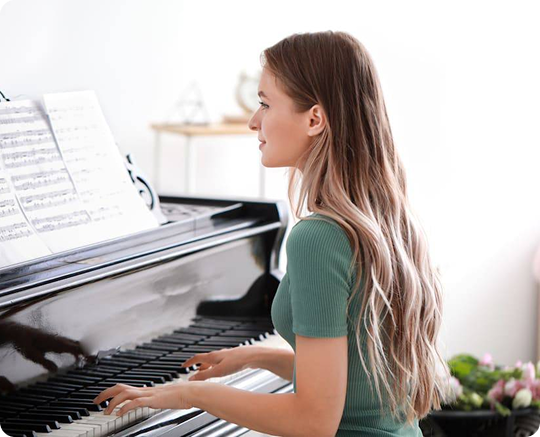
Why Start with Easy Piano Songs?

Every great pianist begins with the basics. Easy piano songs help you understand rhythm, hand coordination, and note reading without overwhelming complexity. Starting with these songs allows new learners to experience progress early, boosting motivation and enjoyment. At West Island Music Academy in Montreal, our beginner programs are designed to make these early stages smooth and enjoyable. By practicing songs with simple melodies and repetitive patterns, students develop strong fundamentals—learning how to transition between notes effortlessly while maintaining timing and tone. Before long, these foundational skills will prepare you for more advanced classical and contemporary pieces.

Learning Piano Songs Through Online Music Lessons

For students who prefer flexibility, many piano songs for beginners can also be learned through professional online music lessons. Virtual instruction at West Island Music Academy mirrors the same step-by-step approach used in our in-studio programs, ensuring that beginners receive clear guidance and consistent feedback. During online music lessons, instructors break songs into manageable sections, demonstrate hand positioning in real time, and provide practice routines tailored to each student’s pace. This format is ideal for busy families in Montreal or those living outside the West Island area who still want access to expert piano instruction. With proper structure and accountability, beginners can successfully master foundational songs while learning from the comfort of home.

How Step-by-Step Learning Builds Confidence

Mastering a new instrument requires patience and structure. Step-by-step instruction ensures you’re not skipping essential techniques that form the core of good piano playing. At our music school in West Island, lessons are organized progressively—from understanding the keyboard layout to reading sheet music and playing simple songs. Each step introduces one new challenge at a time, allowing students to feel comfortable and confident before moving forward. This method builds consistency and helps learners develop muscle memory, rhythm control, and an intuitive feel for musical phrasing—all crucial skills for long-term success on the piano.

1. “Twinkle, Twinkle, Little Star” — The Perfect Starting Point

One of the most beloved piano songs for beginners, “Twinkle, Twinkle, Little Star” introduces simple patterns and repetitive notes. Its melody is familiar, which helps beginners focus on finger placement and timing without worrying about complex rhythms. This song teaches the relationship between the left and right hand, guiding new pianists to maintain harmony while playing melody. Students at West Island Music Academy often begin with this song as it provides a satisfying sense of accomplishment within the first few lessons—making it a great foundation for continued learning.

2. “Ode to Joy” — Learning Classical Simplicity

Beethoven’s “Ode to Joy” is a timeless melody and an ideal song for beginners who want to experience classical music early. It uses mostly white keys, keeping things straightforward while improving finger dexterity. The step-by-step approach to this song includes learning separate hands first, then gradually combining them for fuller harmony. Students in Pointe-Claire and nearby Montreal neighborhoods often find this piece rewarding because it develops coordination and introduces the satisfaction of playing a recognizable composition from music history.

3. “Let It Be” by The Beatles — Building Chord Familiarity
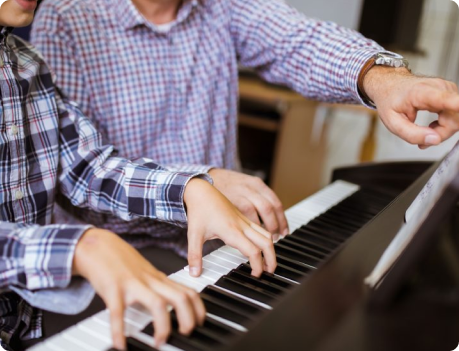
Pop songs like “Let It Be” by The Beatles make excellent practice material for beginners. The simple chord progression and slow tempo allow you to focus on transitioning between chords smoothly. This piece helps students develop chord familiarity and rhythm patterns common in modern music. At West Island Music Academy, instructors break the song into small, manageable sections—starting with the right-hand melody and gradually introducing the left-hand chords. By mastering these progressions, beginners gain confidence to explore a wide variety of contemporary piano songs.

4. “Clocks” by Coldplay — Practicing Repetitive Patterns

“Clocks” is a modern classic that teaches beginners how repetition creates rhythm and texture. The arpeggiated chord pattern used throughout the song helps learners understand how music builds energy through structure. Our teachers in Beaconsfield and Saint-Laurent often use this song to introduce hand independence, an essential skill for more advanced playing. By following a step-by-step breakdown—starting with the right-hand riff and adding left-hand bass notes—students develop timing, endurance, and confidence in both hands simultaneously.

What Makes a Song Ideal for Beginners?

Not every song is beginner-friendly, and choosing the right ones can make or break the learning experience. A good beginner piano song should include:
$
Simple, repetitive melodies that are easy to memorize.
$
Slow tempo for better rhythm control.
$
Limited hand movement, helping maintain focus on accuracy.
$
Basic chord structures to develop foundational harmony skills.
At our music school in Montreal, instructors carefully select songs based on each student’s progress, ensuring steady improvement and enjoyment. With this personalized approach, learners of all ages—from children to adults—can discover the joy of piano without frustration.

Start learning today with 50% off your first lesson on the instrument of your choice!

5. “Canon in D” — Introducing Left-Hand Flow

Pachelbel’s “Canon in D” might sound complex, but simplified versions make it perfect for students ready to advance beyond single-note melodies. It introduces flowing left-hand movements while maintaining simple repetitive patterns. This helps learners coordinate both hands gracefully. Many of our students in Côte Saint-Luc love learning this piece because of its calm, elegant rhythm that builds confidence while sounding beautifully polished. It’s also a great introduction to harmony and voice layering, key elements in more advanced piano music.

The Role of a Music School in Accelerating Progress

Self-learning can be rewarding, but structured guidance from a professional music school ensures steady progress and correct technique. At West Island Music Academy, students benefit from personalized instruction, professional feedback, and a nurturing environment. Our teachers tailor lessons based on learning pace and musical interest, incorporating theory, ear training, and performance confidence. Whether you’re learning pop, jazz, or classical piano, having expert mentorship helps eliminate bad habits early and encourages consistent improvement—especially when preparing for performances or music exams in Montreal.

From Easy Songs to Structured Piano Class Progression

While practicing piano songs for beginners at home is a great start, structured learning inside a professional piano class can significantly accelerate progress. At West Island Music Academy, these beginner songs are carefully integrated into lesson plans that build technique, music reading skills, and hand coordination step by step. In a guided piano class, students don’t just memorize melodies—they understand rhythm patterns, dynamics, and posture. Teachers ensure correct finger placement and help students transition smoothly from simple tunes like “Twinkle, Twinkle, Little Star” to more expressive pieces. This structured progression prevents bad habits and builds a strong technical foundation, allowing beginners to move confidently toward intermediate repertoire.

Join West Island Music Academy and Start Playing Today

If you’ve ever dreamed of playing your favorite songs on the piano, now is the perfect time to begin. West Island Music Academy offers beginner piano programs for all ages, helping students in West Island, Montreal, Pointe-Claire, Beaconsfield, Saint-Laurent, and Côte Saint-Luc reach their musical goals step by step. From classic tunes like “Ode to Joy” to modern hits like “Clocks,” our lessons make learning piano accessible, exciting, and deeply rewarding. Start your musical journey today and discover how easy piano songs can become the stepping stones to lifelong passion and creativity.

Frequently Asked Questions

1. What are the best piano songs for beginners to start with?
Beginner-friendly piano songs include simple, familiar melodies like Twinkle, Twinkle, Little Star and Ode to Joy. These songs use basic rhythms and limited hand movement, making them ideal for building confidence early.
2. How long does it take to learn easy piano songs as a beginner?

Most beginners can learn their first easy piano song within a few lessons when following a step-by-step approach. Consistent practice and guided instruction help speed up progress significantly.

3. Do I need to know how to read sheet music before learning piano songs?
No, beginners can start learning piano songs while gradually learning to read sheet music. Many instructors introduce note reading alongside simple songs to make learning more natural
4. Are pop songs good for beginner piano students?
Yes, simple pop songs like Let It Be or Clocks are excellent for beginners. They help students practice chord progressions, rhythm, and hand coordination in an engaging way.
5. What makes a piano song suitable for beginners?
Beginner piano songs usually have a slow tempo, repetitive patterns, simple melodies, and basic chords. These elements help new learners focus on technique without feeling overwhelmed.
6. Should beginners learn piano songs with both hands right away?
Beginners often start by learning each hand separately, then combine them step by step. This method improves coordination and builds confidence without frustration.
7. Is it better to learn piano songs with a music school or on your own?
Learning with a professional music school provides structure, feedback, and proper technique guidance. This helps beginners avoid bad habits and progress more efficiently.
8. Where can beginners take piano lessons in the West Island or Montreal?
Beginners can take structured piano lessons at West Island Music Academy, which offers beginner programs across the West Island and Montreal, both in-person and online.