
What Makes a Strong Piano Learning Environment in Montreal
A strong piano learning environment in Montreal can shape how students feel, practice, and grow over time. Whether a learner is beginning for the first time or building on existing skills, the environment around them affects motivation, focus, confidence, and consistency. Montreal offers a wide range of music learning settings, from structured studios to flexible home or online options, but the best environment is one that matches the student’s age, goals, personality, and learning style. A positive setting should support technique, creativity, clear communication, and steady progress. When students feel comfortable, encouraged, and challenged at the right level, piano learning becomes more enjoyable and sustainable.
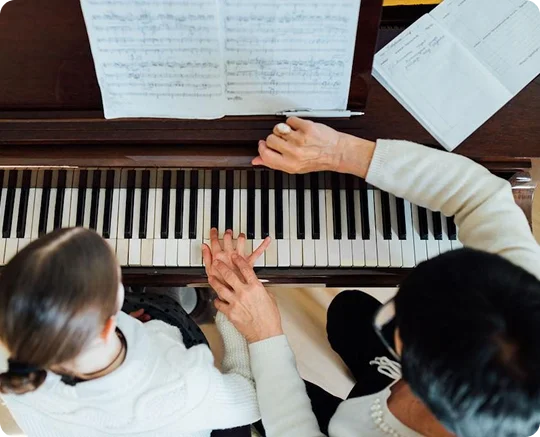
What Defines a Strong Piano Learning Environment in Montreal?
How Do Different Learning Settings Affect Piano Students?
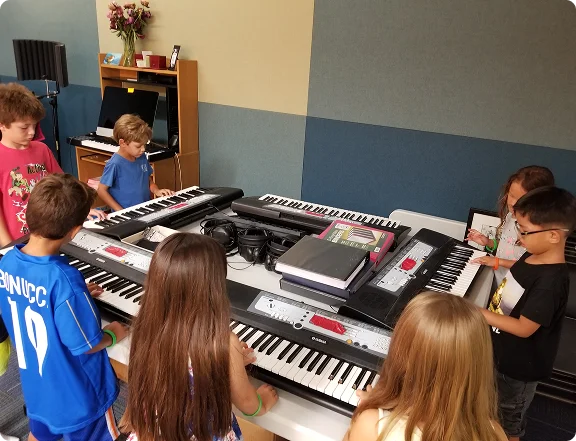
What Qualities Support a Positive Piano Learning Space?
When comparing piano learning environments, look for qualities such as:
Learning Structure
- Clear focus on technique, theory, rhythm, and reading
- Ability to simplify complex musical concepts
- Step-by-step progression that students can understand
Student Engagement
- Encourages creativity, curiosity, and expression
- Adapts learning methods to individual needs
- Provides structure while keeping lessons enjoyable
A positive piano learning space should help students feel both guided and inspired. Students need enough structure to develop strong fundamentals, but they also need encouragement to explore music creatively. When the environment supports both discipline and enjoyment, learners are more likely to stay motivated.
Why Does Learning Style Matter in a Piano Environment?
What Role Do Experience and Structure Play in Piano Learning?
Experience and structure help students avoid confusion and build strong foundations. A strong learning environment should include:
Training from recognized music institutions
Performance or professional teaching experience
Knowledge across multiple genres
Clear focus on technique development
A structured curriculum or progression plan
While experience matters, the learning environment should also feel encouraging and enjoyable. Students need musical depth, but they also need patience, communication, and support. A structured setting helps learners develop rhythm, coordination, reading, and expression without feeling rushed. When experience is paired with warmth and flexibility, students can build both skill and confidence over time.
How Location Impacts Your Piano Learning Journey
Why Are Trial Sessions Helpful Before Choosing a Learning Environment?
Start learning today with 50% off your first lesson on the instrument of your choice!
How Do Music Goals Shape the Right Learning Environment?
What Are the Long-Term Benefits of a Strong Piano Learning Environment?
A strong piano learning environment supports long-term progress by giving students consistency, confidence, and room to grow. Over months and years, students develop stronger technique, better expression, improved focus, and more productive practice habits. A stable environment also helps learners feel known and supported as their goals change. Students may begin with simple songs and later move toward recitals, advanced pieces, composition, or broader musical study. Long-term learning also builds discipline, patience, creativity, and self-confidence. When students feel safe, encouraged, and challenged, piano becomes more than a weekly activity. It becomes a meaningful part of personal and musical development.
Conclusion: A Strong Piano Environment Makes Learning Feel Natural
A strong piano learning environment in Montreal helps students feel supported, focused, and inspired. It combines structure, creativity, clear communication, convenient access, learning-style awareness, and long-term guidance. The best environment does more than teach technique; it builds confidence, curiosity, and a deeper connection to music. Students should feel comfortable asking questions, trying new ideas, making mistakes, and celebrating progress. Whether learning in the West Island or another part of Montreal, the right setting can make piano feel natural and rewarding. When students are surrounded by support and encouragement, they are more likely to stay consistent and enjoy the full journey of learning.
Frequently Asked Questions
1. What makes a strong piano learning environment in Montreal?
A strong piano learning environment includes structure, creativity, quality guidance, clear communication, supportive feedback, and a space where students feel comfortable learning.
2. Why does the learning environment matter for piano students?
The learning environment affects focus, motivation, confidence, and consistency. Students learn better when the space feels supportive, organized, and inspiring.
3. How do different piano learning settings affect students?
Studio, home, and online settings can affect comfort, structure, performance opportunities, and motivation. The best setting depends on the student’s personality and goals.
4. Why does learning style matter in piano education?
Learning style matters because students understand rhythm, notes, movement, and sound differently. A flexible environment helps each student learn more effectively.
5. How does location affect piano learning in Montreal?
A convenient location helps students attend regularly, reduce travel stress, and stay committed to weekly learning and practice routines.
6. Are trial sessions helpful before choosing a piano learning environment?
Yes, trial sessions help students and parents understand the atmosphere, teaching style, comfort level, structure, and overall fit before committing.
7. How do music goals shape the right piano environment?
Music goals help determine whether a student needs classical training, creative exploration, performance preparation, songwriting, or relaxed personal learning.
8. What are the long-term benefits of a strong piano learning environment?
Long-term benefits include better technique, stronger confidence, improved focus, discipline, creativity, expressive playing, and a lasting connection to music.