What to Expect When Learning Guitar

How Does Learning Guitar Differ for Kids, Teens, and Adults?
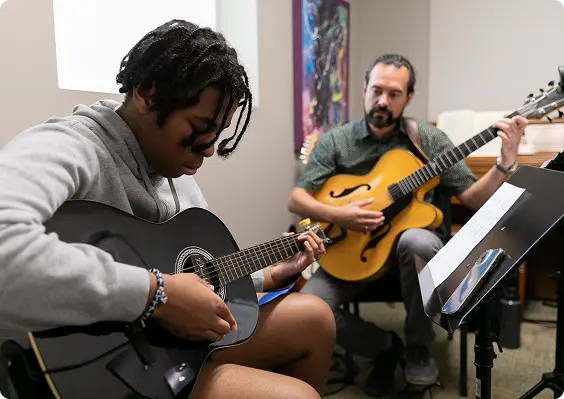
Learning guitar differs by age, as kids benefit from interactive methods, teens explore creativity, and adults prefer structured, goal-based learning. Learning guitar varies depending on age, experience, and personal goals, but the core process remains similar for everyone. Younger learners often benefit from engaging and playful practice methods that keep them motivated, while teenagers enjoy exploring different styles and developing their musical identity. Adults typically prefer structured learning with clear goals and flexible pacing. Regardless of age, all learners develop coordination, rhythm, and confidence over time. A personalized approach ensures that each individual progresses comfortably without feeling overwhelmed. By adapting learning methods to suit different age groups, the guitar becomes an accessible and enjoyable instrument for anyone willing to practice consistently and stay committed.
What Should Beginners Expect When Learning Guitar?
Beginners can expect to learn basic chords, simple rhythms, and coordination skills while gradually building confidence through practice. Beginners start by learning the fundamentals that form the foundation of guitar playing. This includes proper posture, basic chords, and simple rhythm patterns that help develop coordination between both hands. Early progress often involves playing simple songs, which builds confidence and keeps motivation high. Learners also begin to understand timing, listening skills, and how different notes and chords work together. At this stage, patience is important, as mastering the basics takes time. With consistent practice, these foundational skills become more natural, allowing beginners to move forward with greater ease. This early phase sets the stage for long-term progress and musical development.
Skills You Develop as You Progress
Chord transitions and finger coordination
Rhythm and timing control
Basic music theory and note recognition
Ear training and listening skills
Creative expression through simple improvisation
What Happens After You Move Beyond the Beginner Stage?
What Are the Different Ways to Learn Guitar?
1. Individual Learning Approach
Some learners prefer a self-paced approach, focusing on personal goals and practicing independently. This allows flexibility and helps individuals progress at their own speed while exploring their interests.
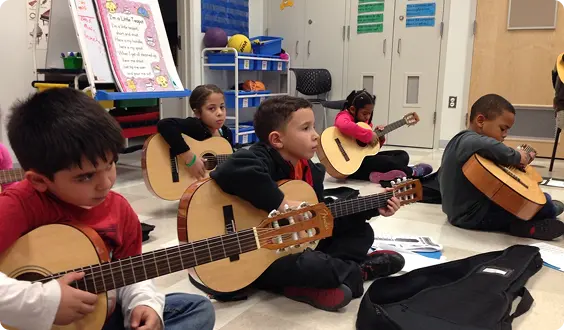
Learning alongside others can improve motivation and provide opportunities to practice timing and coordination in a musical setting. It also builds confidence and encourages consistency.
How to Choose the Right Learning Approach
Consider Your Goals
Understanding whether you want to play casually, perform, or develop advanced skills helps guide your learning path and keeps you focused on meaningful progress.
Evaluate Learning Style
Some learners benefit from structured routines, while others prefer flexibility. Choosing the right approach makes learning more effective and enjoyable.
Choose Age-Appropriate Methods
Different age groups respond better to different teaching styles, so adapting the learning method improves engagement and results.
Factor in Convenience
Having easy access to practice time and a comfortable environment supports consistency and long-term improvement.
Track Progress Regularly
Monitoring improvement helps maintain motivation and ensures that learners stay on the right path toward their goals.
Start learning today with 50% off your first lesson on the instrument of your choice!
Benefits of Learning Guitar at Any Age
For Kids
Learning guitar helps develop coordination, memory, and focus while providing a fun and creative activity that builds confidence over time.
For Teens
Teenagers often use guitar as a form of self-expression, allowing them to explore creativity and connect with music in a meaningful way.
For Adults
Adults benefit from stress relief, improved concentration, and the satisfaction of learning a new skill at their own pace.
Why West Island Music Academy Is a Top Choice for Guitar Classes
WIMA’s strengths include:
Tailored lessons for all ages and levels
Fully equipped teaching studios
Online guitar lessons with real-time feedback
Variety of musical styles supported
Opportunities for recitals and recordings
Support for RCM exam preparation
Four locations for easy accessibility
Whether someone dreams of playing classical fingerstyle, shredding electric solos, or strumming acoustic songs around a campfire, WIMA provides the structure, expertise, and encouragement to make that dream achievable