
What to Know Before Starting Piano as a Child or Adult
Starting piano is an exciting step, whether a child is beginning their first musical experience or an adult is returning to a long-held interest. Before starting, it helps to understand how piano learning works, what kind of structure supports progress, and how expectations should differ by age. Piano is not only about playing notes. It develops rhythm, coordination, focus, creativity, confidence, and emotional expression. Children often need encouragement, routine, and age-appropriate activities, while adults usually benefit from flexibility, clear goals, and patient guidance. When students begin with realistic expectations, the learning journey feels more enjoyable, productive, and sustainable from the start.
What Should You Know Before Starting Piano?
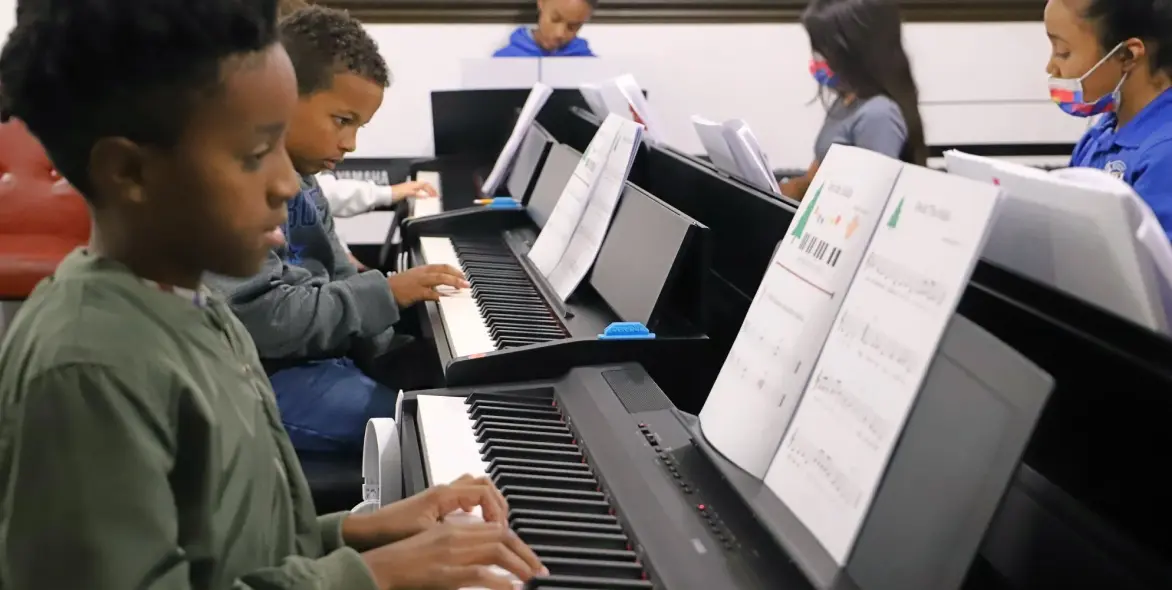
Before starting piano, students should know that progress depends on consistency, realistic goals, supportive guidance, and a learning approach that fits their age and pace. Starting piano becomes easier when students understand that learning is a gradual process. Beginners do not need to master songs immediately. Early progress usually comes from building posture, hand position, rhythm, listening skills, and basic note reading. These fundamentals create the foundation for confident playing later. A child may need short, engaging activities to stay focused, while an adult may need clear explanations and flexible practice expectations. The goal is not perfection in the first few weeks. The goal is to build comfort at the keyboard, enjoy small wins, and create a practice rhythm that feels realistic enough to continue.
How Is Starting Piano Different for Children?
What Helps Children Start Piano Successfully
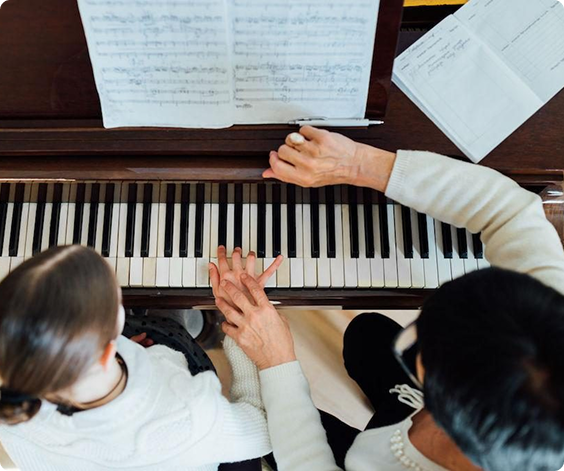
Age-appropriate activities and simple practice goals
Encouraging communication and patient guidance
Short, focused learning sessions
Songs and exercises that feel fun and familiar
A positive start helps children build concentration, coordination, and confidence while keeping music enjoyable.
How Is Starting Piano Different for Teens and Adults?
Teens and adults often start piano best with clear goals, flexible pacing, practical practice routines, and music that connects to personal interests. Teens and adults usually bring stronger personal goals into piano learning. A teen may want to improve technique, prepare for performance, explore a favorite style, or build creative confidence. An adult may want to learn for relaxation, personal fulfillment, stress relief, or a lifelong dream. Because older students often balance school, work, or family, the learning approach should be realistic and flexible. They also benefit from understanding why each skill matters, rather than only repeating exercises. When piano learning respects personal interests and time limits, students are more likely to stay consistent and enjoy the process.
What Matters Most for Older Students
A structured approach helps teens and adults stay focused while still leaving room for enjoyment and creative exploration.
Why Does Learning Style Matter When Starting Piano?
Learning style matters because students stay more motivated when piano instruction matches how they understand, practice, and connect with music. Every beginner learns differently. Some students understand best through visual examples, while others need listening, repetition, movement, or explanation. Learning style affects how quickly students understand rhythm, note reading, coordination, and expression. Some learners enjoy classical structure, while others feel more motivated through modern songs, improvisation, or creative exercises. A strong piano learning approach balances technique with enjoyment so students do not lose interest. When a student struggles, the method should adjust instead of forcing the same approach. This flexibility helps students build confidence, reduce frustration, and stay connected to the music they are learning.
Why Is Consistency Important for Piano Beginners?
Consistency is one of the most important factors in piano progress. Piano learning builds gradually, so small skills connect over time. Missing early fundamentals such as posture, rhythm, hand position, and note reading can make later progress harder. Beginners do not need long practice sessions every day, but they do need a realistic routine they can maintain. Short, focused practice is often more effective than irregular, stressful practice. Children may need parent support to stay consistent, while adults may need practice goals that fit around work or family. When learning stays regular, progress becomes easier to see and motivation becomes stronger.
Start learning today with 50% off your first lesson on the instrument of your choice!
Local Access and Learning Environment
What Questions Should Beginners Ask Before Starting Piano?
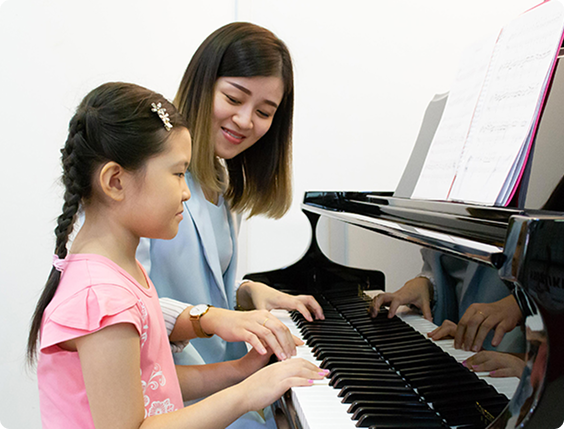
Beginners should ask about lesson structure, practice expectations, progress tracking, learning style, and how instruction adapts to different ages.
Key Considerations
How is each learning session structured?
How is progress tracked over time?
What practice expectations are realistic?
How does the approach adapt to different learners?
These questions help students and families begin piano with clarity and realistic expectations.
Why Does Structured Music Learning Make a Difference?
Structured music learning gives beginners a clear path instead of leaving them to guess what comes next. Piano skills build in stages, from posture and rhythm to reading, coordination, expression, and independence. A structured approach helps students move through these stages without feeling rushed or lost. It also supports accountability because progress can be tracked over time. Children benefit from routine and consistency, while adults benefit from clear direction and practical goals. As students improve, structure can adapt to new interests such as performance, composition, or different musical styles. This continuity helps piano learning stay organized and rewarding.
Final Thoughts on Choosing the Right Piano Teacher
Frequently Asked Questions
1. What should beginners know before starting piano?
Beginners should know that piano progress takes consistency, patience, basic technique, rhythm practice, and realistic goals rather than immediate perfection.
2. Is learning piano different for children and adults?
Yes, children often need playful structure and encouragement, while adults usually benefit from flexible pacing, clear explanations, and personal learning goals.
3. What do children learn first when starting piano?
Children usually begin with posture, hand position, rhythm, simple songs, listening skills, and basic note reading in a fun and age-appropriate way.
4. Can adults start piano with no experience?
Yes, adults can start piano with no experience. A realistic routine, patient instruction, and goal-based practice can help adults build confidence steadily.
5. Why does learning style matter when starting piano?
Learning style matters because students understand music differently. Some learn best through visuals, listening, repetition, movement, or creative exercises.
6. How often should beginners practice piano?
Beginners should practice consistently in short, focused sessions. Regular practice is more effective than long, irregular sessions that feel overwhelming.
7. What questions should students ask before starting piano?
Students should ask about lesson structure, practice expectations, progress tracking, learning style, and how the approach adapts to different ages.
8. What makes piano learning easier to continue long term?
Piano learning becomes easier to continue when practice feels realistic, the environment is supportive, goals are clear, and students enjoy the music they play.