Why Learning Guitar Is the Perfect Start to Your Musical Journey

Starting a musical journey is one of the most rewarding decisions a person can make, and the guitar offers one of the most accessible entry points. It combines creativity, enjoyment, and structured learning in a way that keeps beginners motivated from the start. Unlike many instruments, guitar allows learners to play recognizable sounds early, which builds confidence and excitement. Over time, this initial progress develops into deeper musical understanding and skill. Whether someone wants to play for personal enjoyment or long-term growth, learning guitar provides a balanced path toward both. This combination of accessibility and versatility makes it an ideal starting point for anyone interested in music.

The Universal Appeal of Guitar

The guitar’s popularity comes from its ability to connect with people across cultures and musical styles. It is widely used in both solo and group settings, making it a versatile instrument for personal and social experiences. Learners can easily find music they enjoy playing, which increases motivation and consistency. The guitar also allows players to accompany singing or perform independently, adding to its appeal. Its role in modern and traditional music makes it relevant for learners of all backgrounds. Over time, this universal appeal helps learners stay engaged and develop a deeper connection with music, making their journey more enjoyable and meaningful.

How Does Learning Guitar Build Confidence?

Learning guitar builds confidence by allowing learners to achieve visible progress and express themselves creatively. Confidence grows naturally as learners begin to master basic chords and play simple songs. Each new skill achieved creates a sense of accomplishment that motivates further practice. Over time, learners become more comfortable playing in front of others, whether in small groups or larger settings. This confidence extends beyond music, improving communication and self-expression in everyday life. The process of overcoming challenges while learning guitar also builds resilience and persistence. As learners progress, they develop trust in their abilities, which encourages them to take on more complex tasks. This continuous growth makes guitar learning a powerful tool for building confidence.

Essential Skills You Develop When Learning Guitar
$
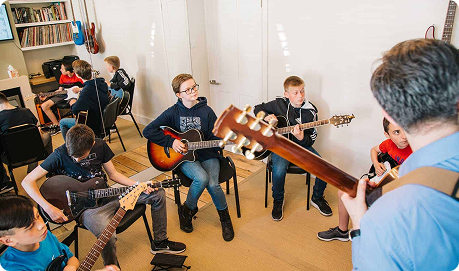
Foundational Techniques: Mastering basic chords, strumming, and fingerpicking.
$
Music Theory: Understanding scales, rhythm, and song structure.
$
Ear Training: Developing the ability to recognize melodies and harmonies.
$
Improvisation: Building creativity through soloing and experimenting with sounds.
$
Performance Skills: Learning stage presence and confidence for live playing.

How Does Guitar Support Creative Expression?

Guitar supports creative expression by allowing learners to explore sounds, create music, and develop their own style. Learning guitar encourages creativity by giving learners the freedom to experiment with sounds and musical ideas. Players can create their own melodies, adjust rhythms, and interpret songs in a personal way. This process helps develop a unique musical identity over time. Creativity also keeps the learning process engaging, as learners are not limited to strict patterns or rules. Instead, they can explore different styles and techniques that match their interests. This flexibility makes guitar learning enjoyable and meaningful. Over time, creative expression becomes a key part of playing, allowing individuals to connect with music on a deeper level.

What Are the Different Ways to Learn Guitar Today?

Guitar can be learned through in-person or online methods, both offering flexibility and structured learning opportunities.

Benefits of In-Person Learning

In-person learning provides direct interaction, immediate feedback, and a focused environment. Learners benefit from hands-on guidance and real-time corrections, which help improve technique quickly. This setting also encourages discipline and consistency.

Advantages of Online Learning

Online learning offers flexibility and convenience, allowing learners to practice from home. It provides access to resources, recorded sessions, and personalized feedback. This method is ideal for those with busy schedules while still supporting steady progress.

Why the Guitar Is Perfect for Beginners

Quick Learning Curve

Unlike some instruments that require months before producing pleasant sounds, beginners can play simple songs within a few lessons. This instant progress builds excitement and motivation.

Accessibility Across Ages

From children to adults, the guitar is approachable and adaptable. Parents in Pointe-Claire and Beaconsfield often choose guitar classes for their children because the instrument nurtures creativity and discipline while remaining enjoyable.

How Learning Guitar Builds Lifelong Skills
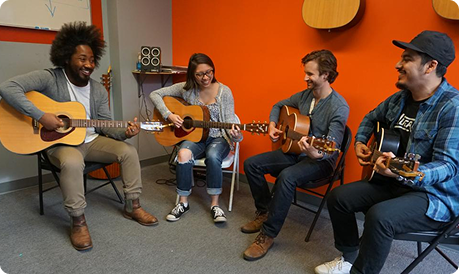
Learning guitar develops skills that extend far beyond music. Regular practice builds discipline and time management, while learning complex pieces improves problem-solving abilities. The process also encourages patience and persistence, as progress requires consistent effort. Collaboration with others, whether through group playing or shared musical experiences, helps build communication and teamwork skills. Over time, these abilities become valuable in many areas of life. Learning guitar is not just about mastering an instrument—it is about developing habits and skills that support personal growth and long-term success.

Start learning today with 50% off your first lesson on the instrument of your choice!

Choosing the Right Learning Approach

Choosing the right approach is essential for a successful guitar journey. A balanced method that combines structure and creativity helps learners stay motivated and progress steadily. Setting clear goals allows individuals to focus on meaningful improvement, while adapting learning methods ensures comfort and flexibility. Learners should choose an approach that matches their interests and schedule, making practice more enjoyable. By maintaining consistency and following a structured path, progress becomes more predictable and rewarding. Over time, the right approach helps learners build confidence and develop a deeper connection with music.

Benefits of Learning Guitar at West Island Music Academy

$
Expert Instructors: Professional musicians with years of teaching experience.
$

Flexible Options: In-person and guitar lessons online available.

$
Community Focus: Serving students across West Island, Montreal, and nearby neighborhoods.
$
Performance Opportunities: Recitals and group events to showcase progress.
$
Comprehensive Curriculum: A blend of technique, theory, and creativity.

Conclusion: Begin Your Musical Journey Today

Choosing guitar classes is more than just learning an instrument—it’s the start of a fulfilling and inspiring journey. The guitar’s versatility, accessibility, and creative potential make it the perfect choice for beginners. With expert instruction, flexible options like guitar lessons online, and a welcoming community, West Island Music Academy provides the ideal environment to begin. Whether you live in Pointe-Claire, Beaconsfield, Côte Saint-Luc, Saint-Laurent, or elsewhere in Montreal, now is the perfect time to take the first step. Your musical journey starts with one strum—are you ready to play?

Frequently Asked Questions

1. Why is guitar a good instrument for beginners?
Guitar is beginner-friendly because it allows learners to play simple chords and songs quickly. Its versatility across music styles also keeps learning engaging.
2. How does learning guitar help build confidence?
As learners improve and play songs successfully, they gain a sense of achievement. This progress builds confidence both in music and in everyday life.
3. What skills can you develop by learning guitar?
Learning guitar improves coordination, rhythm, listening skills, and focus. It also helps develop creativity and discipline through consistent practice.
4. Is guitar suitable for all age groups?
Yes, guitar can be learned by kids, teens, and adults. It adapts to different learning styles and allows each individual to progress at their own pace.
5. How does guitar support creativity?
Guitar allows learners to experiment with melodies, rhythms, and styles. This freedom encourages self-expression and helps develop a unique musical voice.
6. Can learning guitar improve focus and concentration?
Yes, practicing guitar requires attention to timing, coordination, and technique. This helps improve concentration and mental focus over time.
7. What are the different ways to learn guitar?
Guitar can be learned through in-person guidance or online methods. Both approaches offer structured learning and flexibility based on individual needs.
8. How long does it take to start playing songs on guitar?
Beginners can often play simple songs within a few weeks. Consistent practice helps build skills and improve performance gradually.