
Why Music Lessons Are Essential for Child Development
How Music Lessons Strengthen Brain Development
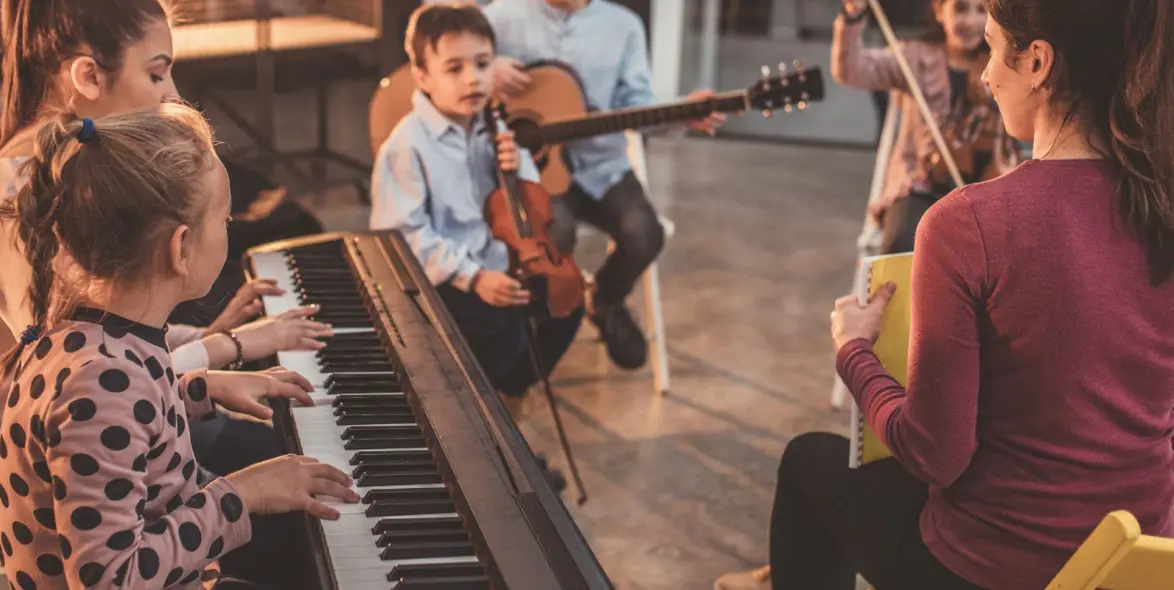
Early childhood is a critical time for brain growth, and Music Lessons play an important role in shaping cognitive development. Learning rhythm, memorizing melodies, and recognizing pitch help activate multiple areas of the brain at once. This increased stimulation strengthens memory, attention span, and problem-solving abilities. At our music school, children learn to process sound patterns, anticipate musical phrases, and fine-tune their motor skills—all of which contribute to sharper academic performance. Families in Pointe-Claire and surrounding areas often notice improved concentration and stronger learning habits after a few months of lessons. Because the brain adapts so quickly during childhood, music becomes a powerful developmental tool.
Boosting Emotional Expression Through Music
One of the most meaningful benefits of Music Lessons is the opportunity for children to express emotions safely and creatively. Music allows young learners to channel feelings they cannot yet articulate with words. Whether they are playing a calm piano melody or exploring upbeat rhythms, children experience emotional release that supports mental well-being. At our West Island music school, teachers encourage students to interpret music in ways that feel authentic to them. This emotional connection helps reduce stress and builds confidence in self-expression. Parents in Montreal appreciate how music gives children a healthy outlet to process excitement, frustration, joy, or sadness in constructive ways.
Building Confidence and Self-Esteem Through Musical Growth
How Music Improves Focus and Discipline in Children
Learning music requires attention to detail, consistent practice, and patience—three qualities that directly support academic performance. During Music Lessons, children learn to focus on timing, posture, hand coordination, and sound quality. These habits reinforce stronger discipline in schoolwork and extracurricular activities. At our music school, teachers structure lessons to develop routine, responsibility, and perseverance. Children learn that progress happens gradually and that regular effort produces meaningful results. This connection between discipline and success becomes a powerful life lesson that stays with students long after their lessons end.
Social Skills Developed Through Music Education
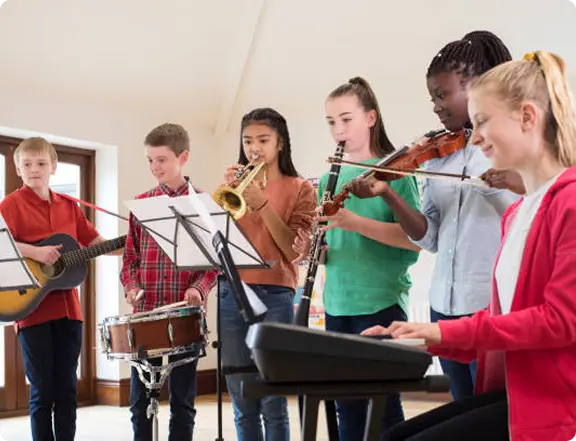
Music naturally brings people together, making it an ideal setting for building social confidence.
Key social benefits of music lessons include:
Enhanced listening and communication skills
Improved teamwork during group activities
Increased empathy from understanding musical expression
Stronger collaboration and leadership abilities
Respect for shared goals and collective creativity
Group lessons provided by our music school encourage children to interact, share ideas, and build friendships through creative play.