Why Personalized Music Learning Helps Students Improve Faster

Personalized music learning helps students improve faster because it adapts instruction to the learner’s goals, skill level, pace, and musical interests. Instead of following a one-size-fits-all approach, students receive guidance that matches how they learn best. This makes practice more focused, enjoyable, and easier to maintain over time. For beginners, personalization builds strong fundamentals without overwhelm. For advanced learners, it supports technique refinement, expression, and deeper musical growth. Students also benefit from structured feedback, flexible pacing, and clear practice goals that keep progress moving forward. When music learning feels relevant and achievable, students stay more motivated and build confidence more quickly.
Why Does Personalized Music Learning Improve Student Progress?

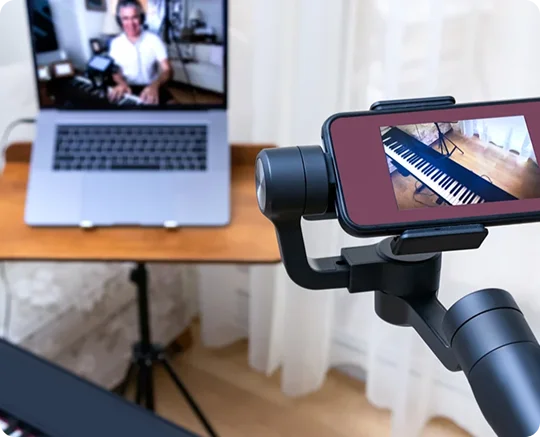
Personalized music learning improves progress because it matches instruction to each student’s level, goals, learning style, and practice needs. Personalized music learning is effective because it gives students targeted guidance instead of generic instruction. Teachers can observe technique, rhythm, posture, expression, and confidence, then adjust the learning plan based on what the student needs most. This helps learners correct mistakes early and avoid wasting time on material that is either too easy or too advanced. Personalized learning also keeps students engaged because the music, exercises, and goals feel connected to their interests.

Additional Advantages Include:

$
Clear demonstrations based on the student’s instrument and skill level
$
Real-time corrections for technique, rhythm, and musical expression
$
Practice resources such as sheet music, recordings, and exercises
$
Consistent routines that support steady improvement

How Does Personalized Music Learning Work in Practice?
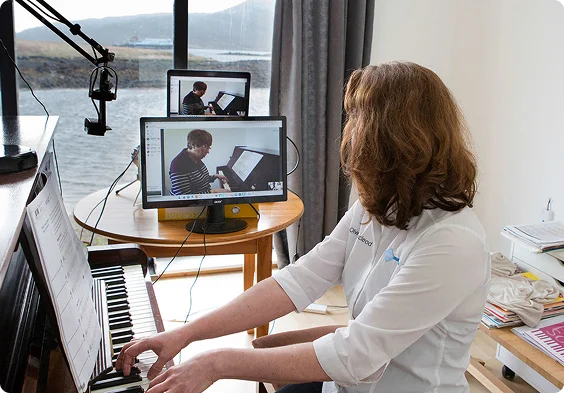
Personalized music learning works through structured sessions that review progress, target specific skills, and set clear practice goals. Personalized music learning follows a clear structure while still adapting to each student’s needs. A session often begins with a review of previous progress, followed by focused exercises that address current challenges. Students may work on technique, rhythm, tone, song sections, or performance skills depending on their goals.

Typical Structure of a Personalized Music Session

Warm-up and technical exercises

Skill development tailored to the student’s level

Song or repertoire practice

Feedback, corrections, and assignments

What Are the Benefits of Personalized Music Learning for Students and Families?

Personalized music learning benefits students and families by improving confidence, reducing frustration, supporting flexible routines, and making progress easier to track. Personalized learning is helpful because it makes music education more realistic for different lifestyles and learning needs. Students can work at a pace that feels challenging but manageable, which reduces stress and supports confidence. Families also benefit when practice goals are clear, because it becomes easier to support progress between sessions.

Key Benefits Include:

$
Flexible pacing for school, work, and family life
$
Less frustration because goals match the student’s level
$
Access to focused guidance regardless of location
$
Comfortable learning routines that support confidence
$
Consistent progress tracking that encourages regular practice

Which Instruments Benefit from Personalized Music Learning?

Many instruments benefit from personalized learning because technique, pacing, and practice goals can be adjusted for each student.

Instruments That Benefit from Personalized Learning

$
Piano and keyboard
$
Guitar (acoustic and electric)
$
Singing and vocal training
$
Drums and percussion
$
Violin and string instruments
$
Bass guitar, flute, and ukulele

Is Personalized Music Learning Suitable for Beginners and Advanced Students?

Personalized music learning works for beginners, intermediate learners, and advanced students because it adapts to each stage of development. Personalized music learning is valuable at every skill level because students need different support as they grow. Beginners benefit from patient, step-by-step instruction that builds fundamentals such as rhythm, posture, listening, and basic technique. Intermediate learners often need help refining control, expanding repertoire, and staying motivated through plateaus. Advanced students may focus on performance preparation, improvisation, theory, tone, or stylistic expression. Because the learning path adjusts to the student’s progress, each stage feels more focused and achievable. This adaptability prevents students from feeling overwhelmed or under-challenged, making improvement faster, clearer, and more enjoyable across all levels.

Start learning today with 50% off your first lesson on the instrument of your choice!

Personalized Learning From Home Without Compromising Standards

What makes personalized music learning effective is the focus on individual progress without lowering expectations. Students still follow structured goals, develop proper technique, and build strong musical habits, but the pace and content are adapted to their needs. A personalized approach can include preferred genres, specific songs, technical challenges, or performance goals. Because feedback is based on the student’s actual progress, instruction can shift quickly when something needs more attention. This keeps learning efficient and prevents students from moving forward with weak foundations. Whether learning at home or in a studio, personalization helps maintain strong educational standards while making the experience more relevant and motivating.

Online Music Lessons for the West Island and Montreal Communities

Students across the West Island and greater Montreal area increasingly choose online music lessons as a reliable alternative to studio learning. Families in Pointe-Claire, Côte Saint-Luc, Beaconsfield, and Saint-Laurent benefit from access to professional instruction without geographic limitations. Online learning also allows students to remain connected to a respected local music school while enjoying the convenience of home-based instruction. This hybrid approach strengthens continuity, consistency, and long-term progress.

A Modern Approach to Music Education

Online music lessons represent the evolution of music education. They combine the structure of a traditional music school with the flexibility of modern technology. For today’s students, this means fewer obstacles, more consistency, and greater control over their learning journey. By choosing online instruction from an established music school, students gain access to experienced teachers, proven teaching methods, and a supportive educational framework—all without leaving home. Whether your goal is personal enjoyment, skill mastery, or long-term musical growth, online music lessons offer a powerful and practical solution.

Frequently Asked Questions

1. What is personalized music learning?
Personalized music learning is an approach where practice, instruction, and goals are adapted to each student’s skill level, learning style, and musical interests.
2. How does personalized music learning help students improve faster?
It helps students improve faster by focusing on the exact skills they need most. This reduces wasted practice time and keeps progress more targeted.
3. Is personalized music learning good for beginners?
Yes, beginners benefit because personalized learning starts with simple foundations and moves at a comfortable pace. This helps reduce overwhelm and build confidence.
4. Can advanced students benefit from personalized music learning?
Yes, advanced students can use personalized learning to refine technique, expand repertoire, prepare for performances, and develop stronger musical expression.
5. What instruments work well with personalized music learning?
Personalized learning works well for piano, guitar, voice, drums, violin, bass, flute, ukulele, and many other instruments.
6. Why is feedback important in personalized music learning?
Feedback helps students correct mistakes, improve technique, and understand what to practice next. It also makes progress easier to track over time.
7. How does personalized learning keep students motivated?
Students stay more motivated when they practice music that matches their interests and goals. This makes learning feel more relevant, enjoyable, and achievable.
8. Does personalized music learning support consistent practice?
Yes, personalized learning supports consistency by creating clear goals, realistic routines, and practice tasks that fit the student’s level and schedule.