8 Easy Ukulele Chords Every Beginner Should Know
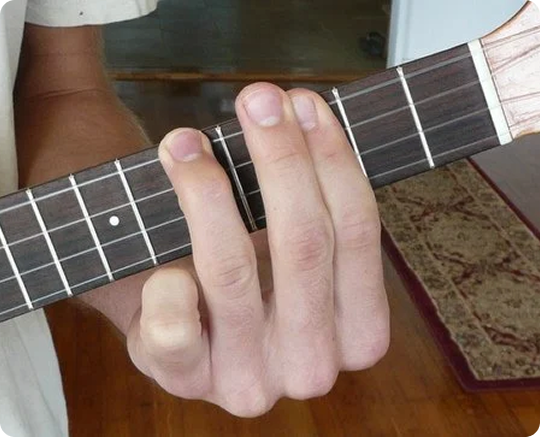
Learning the ukulele is one of the fastest ways to start making real music without feeling overwhelmed. Young students, adult beginners, and even advanced guitar players who want a fresh new instrument are choosing the ukulele because it sounds beautiful, it’s soft on the fingers, and it makes practicing fun. At West Island Music Academy—one of the most trusted private lesson providers in Montreal—we teach many young players who want to learn real music fast, and the secret to early progress is focusing on easy ukulele chords that can be learned quickly. Ukulele chords are extremely accessible because the standard tuning and nylon strings make the instrument easy to fret while building confidence early. These 8 essential beginner chords give new players the ability to play hundreds of pop hits, movie songs, and classic tunes.

Why the Ukulele Is the Perfect First Instrument for Beginners

The ukulele is one of the few instruments that rewards beginners immediately. The small size fits comfortably in the lap of children and adults, the strings are soft and easy on the hands, and the instrument responds beautifully even to light strumming. When new students join our music school in West Island, we often start them on the ukulele because it builds confidence, ear training, rhythm, and chord understanding quickly. Unlike instruments that require months of technical strength before sounding musical, these easy ukulele chords allow beginners to hear real songs within the first week. This keeps practice fun and helps build momentum, which is critical in early music education. With a few lessons, students also begin to understand timing, chord shapes, transitions, and how music harmony fits together—even if they have never learned an instrument before.

The 8 Easy Ukulele Chords Every Starter Should Focus On

These are the 8 chords you should begin with:
$

C Major

$
A Minor
$
F Major
$
G Major
$
G7

$
D Minor
$
E Minor

$
A7


The C Major Chord: The Most Beginner-Friendly Ukulele Shape

The C Major chord is usually the first chord we teach at our Montreal location because it’s extremely simple to play: you only press down on one string. However, just because it’s simple doesn’t mean it’s basic. The C chord shows up in thousands of songs across pop, folk, rock, ballads, and film soundtracks. The reason this chord is so popular is that it acts like a warm musical anchor that blends well with many other chords. Kids in Pointe-Claire often request songs from Disney or modern pop, and they are shocked to discover that many of those songs use C Major as the core foundation. Once a student learns C Major, their strumming suddenly begins to sound like real music. That is the moment when they fall in love with playing.

A Minor: Add Emotion with One Finger

A Minor might only require one finger like C, but it instantly changes the mood and adds emotion and depth. This is one of the reasons we call it one of the best easy ukulele chords—it takes no time to learn but adds so much feeling to a song. Beginners start to feel the difference between major and minor tonality the moment this chord is played. Our instructors help them listen to the chord and identify that emotional shift. This type of ear training is one of the benefits of studying at a structured music school rather than learning randomly online. A Minor appears in so many beloved pop songs—students feel like they’re already musicians the moment they pair Am with C.

F Major: Build Better Finger Control and Smooth Playing Motion

F Major is like the next important stepping stone for beginner ukulele players. This chord uses two fingers and trains the hand to form shapes more confidently while also developing smoother transitions between chords. When beginners at our Beaconsfield location practice chord changes, we often focus on moving between C, Am, and F. Those three shapes alone unlock hundreds of popular songs. When you learn easy ukulele chords strategically like this, you don’t waste effort. Instead, every step builds directly toward real music you can play and enjoy, which keeps practice natural and fun. And for kids especially, the secret to consistent practice is loving the result of the sound they are making every single day.

G Major: The First “Challenge” Chord That Feels Rewarding

G Major is usually the first chord shape that beginners look at and think “this looks harder.” But after only a session or two, the shape makes total sense. The G chord creates a bright, ringing harmony that pairs beautifully with C, F, and Am. A huge percentage of hit songs revolve around that little circle of chords. When you learn G Major, you open up the magic of the pop progression. In lessons at our music school in Montreal, we want each student to understand not just shapes—but why the shapes work in musical context. Seeing chords as part of a connected harmony system makes practicing feel intelligent and purposeful.

G7: Adds Style, Fun, and a Jazzy Personality

Use G7 when you want to
$
Add a jazzy feel to chord progressions
$
Create tension before returning to C
$
Make simple songs more interesting
$
Prepare the ear for blues and jazz harmony
$
Understand musical “resolution”

TAKE ADVANTAGE OF A 30-MINUTE LESSON ON THE INSTRUMENT OF YOUR CHOICE FOR 50% OFF!

D Minor: A Chord That Sounds Beautiful and Mysterious

D Minor is one of the most beautiful sounding chords on the ukulele and one we love introducing early. It teaches beginners to use three fingers but does so in a shape that still feels comfortable and achievable. Students at our Côte Saint-Luc location sometimes use D Minor when they start experimenting with songwriting. This is because D Minor has a haunting quality that naturally inspires creativity. It also connects beautifully with the F chord, making transitions smoother and more musical. This is another reason why structured learning at a professional music academy helps: chord choices aren’t random—they are intentionally curated to help you learn faster.

E Minor: Unlock Modern Pop, Indie, and Viral Songs

Some of the most emotional and viral pop hits on platforms like YouTube and TikTok feature the E Minor chord. This shape requires three fingers, but it is organized in a tidy diagonal motion that feels smooth after a few days of practice. E Minor gives ukulele players a wide spectrum of modern repertoire possibilities. When beginners combine G, C, Em, and D, they have the foundation of dozens of songs they instantly recognize. This single chord helps young players see that learning chords isn’t just about theory—it’s about unlocking music they genuinely enjoy. That realization fuels motivation and keeps daily practice strong.

A7: The Doorway into Blues, Soul, and Rhythm-Based Styles

A7 works especially well for:
$
blues progressions
$
classic rock harmonies
$
vintage jazz-style turnarounds
$
acoustic strumming grooves
$
rhythm-based pop music

Why Learn These Chords at West Island Music Academy?

You can learn chords anywhere online, but you develop real musical ability faster with personal guidance. At West Island Music Academy, our focus is on growth, confidence, and musical joy—especially for young players. Our instructors build personalized lesson plans, switch repertoire based on student interest, and shape learning goals so that students learn in strategic musical steps. Parents in Saint-Laurent regularly tell us how valuable this is because it keeps their child engaged. If you’re ready to learn easy ukulele chords and start playing real music quickly, there is no better next step than taking a trial lesson.

Ready to Start Your Ukulele Journey?

You don’t need prior experience to start. You only need curiosity, a little bit of practice time, and the right teacher to guide you. Our music school offers lessons for children, teens, and adults—online and in person. If you want to learn chords that lead to real songs quickly, this is your moment to take action. Book a ukulele lesson today with West Island Music Academy and start transforming simple shapes into beautiful, musical expression.