Are Drums Easy to Learn for Kids and Adults?

Drums are often considered one of the most engaging and accessible instruments to learn, but many people still wonder whether they are truly easy for both kids and adults. The answer depends on several factors, including practice consistency, learning approach, and individual expectations. While basic rhythms and simple beats can be picked up relatively quickly, developing coordination between hands and feet requires patience and repetition. Drumming naturally builds rhythm, focus, and physical awareness, making it appealing for learners of all ages. With the right structure and mindset, both children and adults can make steady progress. Understanding how the learning process works helps reduce frustration and allows learners to stay motivated while improving their timing, control, and overall confidence.
What Makes Drums Easy or Challenging to Learn?

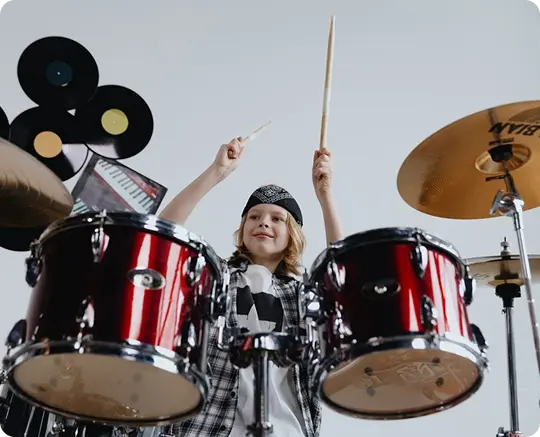
Drums can feel easy in the beginning because basic rhythms and simple grooves are quick to understand, especially compared to instruments that require pitch accuracy. However, as learners progress, the challenge increases due to the need for coordination, timing, and independence between limbs. Drumming requires controlling multiple movements at the same time, which can take time to master. At the same time, this challenge is what makes the instrument rewarding and engaging. With consistent practice, drummers gradually improve their control, rhythm, and ability to maintain steady tempo. The balance between quick initial progress and long-term skill development makes drums both accessible and challenging, depending on how deeply a learner wants to develop their abilities.

Why Drums Are Ideal for Kids

Drums are often easier for kids to learn compared to many other instruments because they are interactive, physical, and engaging. Children naturally respond well to rhythm and movement, making drumming feel fun rather than forced. With proper guidance, kids can quickly develop coordination, timing, and listening skills. Lessons designed for younger learners focus on short, engaging activities that match their attention span and energy levels. Over time, children build confidence as they gain control and see progress, making drums an excellent introduction to music.

Key Benefits of Drum Lessons for Kids

$
Improved hand-eye coordination
$
Better focus and listening skills
$
Healthy outlet for energy
$
Early understanding of rhythm and timing
$
Increased confidence through achievement

Drum lessons also teach kids discipline and patience. As they learn to control volume, tempo, and technique, they gain awareness of structure and self-regulation. This makes drum classes a strong foundation for future musical learning.

Are Drums Easy for Adults to Learn?

Drums are also highly accessible for adults, even for those who have never played a musical instrument before. While adults may initially find coordination slightly challenging, they often benefit from stronger focus, discipline, and understanding of structured learning. Adults typically practice more intentionally, which helps them improve steadily over time. Drumming also provides mental and physical benefits, including stress relief, improved concentration, and better motor coordination. Unlike some instruments, drums do not require learning scales or pitch control in the early stages, which makes the entry point easier. With consistent effort and realistic expectations, adults can develop solid rhythm skills and enjoy the learning process without feeling overwhelmed or pressured.

Start learning today with 50% off your first lesson on the instrument of your choice!
How Long Does It Take to Learn Drums?

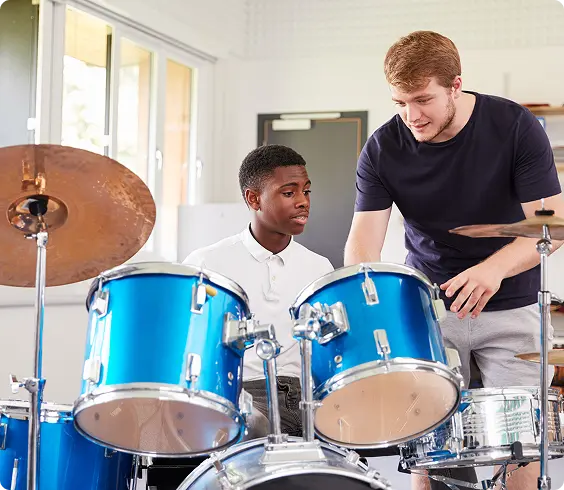
Learning drums happens in stages, and progress depends on practice consistency and personal dedication. While basic rhythms can be learned within a few weeks, developing coordination and timing takes longer. Most learners begin to feel comfortable with simple beats relatively quickly, but building confidence and control requires ongoing practice. Improvement is gradual, and each stage introduces new challenges that help strengthen skills. Understanding the timeline helps learners stay motivated and realistic about their progress.

Typical Learning Timeline

First month: basic stick control and simple rhythms

Two to three months: playing full beats with coordination

Six months: improved timing, fills, and style control

One year and beyond: stronger confidence and musical independence

What Do Beginners Learn When Starting Drums?

When starting drums, beginners focus on building a strong foundation through simple and structured exercises. Learning typically begins with basic stick control, posture, and rhythm patterns that help develop coordination. As students progress, they practice timing, simple grooves, and basic musical patterns. The goal at this stage is to build confidence while improving consistency and control. A structured approach helps avoid confusion and ensures steady progress without overwhelming the learner.

Beginner Learning Focus

$
Stick control and hand technique
$
Coordination exercises for hands and feet
$
Basic groove development
$
Timing and tempo awareness
$
Introduction to rhythm notation

Drum Lessons in Montreal and the West Island

Families across Montreal and the West Island seek drum lessons that are structured, accessible, and taught by experienced instructors. A trusted music school provides consistent instruction and a supportive learning environment close to home. Students often look for drum classes in communities such as Pointe-Claire, Côte Saint-Luc, Beaconsfield, and Saint-Laurent, making regular attendance easier and progress more sustainable. Local access plays a major role in long-term success with drum lessons.

What Helps Make Learning Drums Easier?

Several factors can make learning drums easier and more effective for both kids and adults. Consistent practice is the most important element, as repetition helps build muscle memory and coordination. Breaking down complex patterns into smaller steps allows learners to understand rhythm more clearly and progress without frustration. Proper technique also plays a key role, as it reduces strain and improves control. Staying patient and setting realistic goals helps maintain motivation throughout the learning process. Additionally, focusing on timing and consistency rather than speed leads to better long-term results. When these elements are combined, drumming becomes more manageable, enjoyable, and rewarding for learners at any stage.

Final Thoughts on Drum Lessons

Drum lessons are a powerful way to build rhythm, coordination, and confidence at any age. Whether for kids discovering music for the first time or adults pursuing a lifelong interest, drum classes provide structure, creativity, and measurable progress. With consistent drum lessons, supportive instruction, and realistic expectations, students develop skills that extend beyond the drum kit and into everyday life.

Frequently Asked Questions

1. Are drums easy to learn for beginners?
Yes, drums are relatively easy to start because basic rhythms can be learned quickly. However, improving coordination and timing requires consistent practice over time.
2. Are drums easier for kids or adults to learn?
Drums can be easy for both kids and adults, but in different ways. Kids benefit from natural rhythm and energy, while adults progress faster due to focus and structured learning.
3. How long does it take to learn basic drumming?
Most beginners can learn simple beats within a few weeks. Developing solid timing, coordination, and control usually takes several months of regular practice.
4. What makes drums challenging to learn?
The main challenge is coordination between hands and feet. Drummers must control multiple movements at once while maintaining consistent timing.
5. Can adults learn drums with no experience?
Yes, adults can learn drums even without prior musical experience. With regular practice and patience, they can build strong rhythm and coordination skills.
6. Do drums require natural talent to learn?
Natural rhythm can help, but it is not required. Consistent practice and proper technique are more important for long-term improvement.
7. What is the best way to start learning drums?
Start with basic rhythms, focus on timing, and practice slowly. Building a strong foundation helps make learning easier and more effective.
8. Why are drums considered a good first instrument?
Drums are engaging, physical, and intuitive, making them easier to start compared to many instruments. They also help develop rhythm, focus, and coordination quickly.