
Beginner Piano Guide: First Steps, Practice Tips & Progress
Starting piano as a beginner can feel exciting, inspiring, and slightly overwhelming, especially when the keyboard looks unfamiliar at first. The early stage is about building comfort, confidence, and basic musical understanding one step at a time. Beginners usually start by learning the keyboard layout, simple rhythms, posture, finger placement, and short melodies. Progress does not require perfection from the beginning; it requires patience, consistency, and a clear practice routine. With the right first steps, students can develop strong habits that support long-term growth. This beginner piano guide explains what to expect, how to practice effectively, and how early progress turns small musical skills into lasting confidence.
What Are the First Steps for Beginner Piano Students?
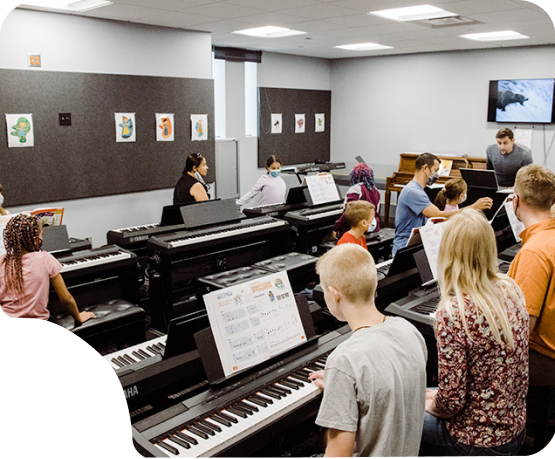
Beginner piano students should first learn the keyboard layout, basic note names, posture, finger placement, rhythm, and simple practice goals. A strong beginning helps students feel comfortable and motivated before moving into harder music. The first step is usually understanding the keyboard and how notes repeat across the instrument. Learners also begin recognizing simple landmarks such as middle C and the patterns of black and white keys. After that, posture, hand shape, and relaxed movement become important because they support comfortable playing. Beginners may also discuss musical interests, favorite styles, and goals so the learning path feels personal. These early steps are not meant to feel difficult; they are designed to build confidence. When students understand the basics clearly, piano learning becomes more enjoyable and easier to continue.
How Do Beginners Get Comfortable with Piano Basics?
Personalized Introductions
Discovering the Keyboard
Setting Expectations
How Can Beginners Feel More Comfortable with the Instrument?
Why Is Technique Important in Beginner Piano Progress?
Proper Posture and Hand Placement
Finger Curvature and Wrist Movement
Building Early Dexterity
How Do Rhythm and Music Reading Help Beginners Improve?
What Should Beginners Play in the First Few Weeks?
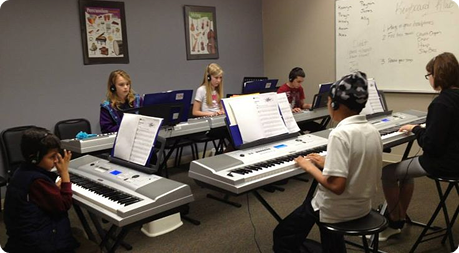
Beginners should start with simple songs, short melodies, basic rhythms, and one-hand patterns before combining both hands.
Starting Simple: Early songs should use only a few notes so beginners can focus on rhythm, finger control, and confidence. Simple pieces make the first stage enjoyable without creating pressure. These small musical wins help students feel motivated to continue practicing.
Combining Hands: Once one-hand patterns feel comfortable, beginners can slowly begin using both hands together. This is often a major milestone because it develops coordination and focus. Starting slowly helps students avoid frustration while building control.
Developing Confidence: Short recognizable pieces help beginners see progress clearly. Each small success builds confidence and encourages regular practice. Over time, these early achievements prepare students for more complex songs and stronger musical expression.
Start learning today with 50% off your first lesson on the instrument of your choice!
How Can Beginner Piano Practice Be Personalized?
What Practice Tips Help Beginners Improve Faster?
Set a consistent routine: Practice 15–20 minutes regularly instead of relying on one long session.
Warm up first: Use scales, finger drills, or simple patterns to prepare the hands.
Focus on problem spots: Practice tricky measures separately before playing the full piece.
Play slowly and accurately: Speed improves naturally when muscle memory becomes stronger.
Record practice: Listening back helps identify rhythm, timing, and accuracy issues.
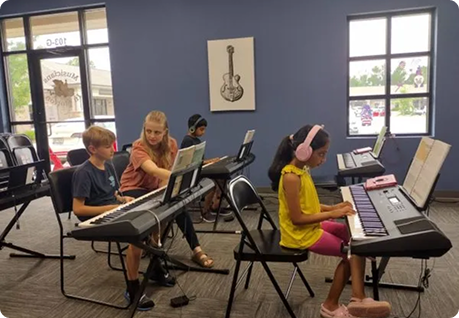
A strong practice routine helps beginners make steady progress without feeling overwhelmed. Practice should feel like a creative habit, not a chore. Short, focused sessions allow learners to review skills, improve weak areas, and celebrate small wins. When students practice slowly, listen carefully, and track improvement, confidence grows naturally. Over time, these habits turn beginner exercises into real musical progress.
The Supportive Learning Environment at WIMA
From First Lesson to Lifelong Passion
Building Musical Confidence
Exploring New Genres
Setting Long-Term Goals
Conclusion: Begin Your Musical Story Today
Frequently Asked Questions
1. What are the first steps for beginner piano students?
Beginner piano students should start with keyboard layout, note names, posture, finger placement, rhythm, and simple melodies.
2. How can beginners feel comfortable when learning piano?
Beginners can feel comfortable by starting slowly, learning simple patterns, practicing short exercises, and setting clear beginner-friendly goals.
3. Why is technique important for beginner piano progress?
Technique helps beginners play with control, comfort, and accuracy. Good posture, hand shape, and relaxed movement prevent tension and support smoother playing.
4. What should beginners practice in the first few weeks?
Beginners should practice keyboard patterns, basic rhythms, simple melodies, finger exercises, and short songs that build confidence.
5. How often should beginners practice piano?
Beginners should practice regularly in short sessions. Practicing 15–20 minutes several times per week can build steady progress.
6. How can beginners improve faster on piano?
Beginners improve faster by practicing slowly, focusing on problem areas, warming up first, and reviewing previous material consistently.
7. Why is rhythm important for beginner piano students?
Rhythm helps beginners understand timing, counting, and musical flow. It also supports better coordination when playing with both hands.
8. How can beginner piano learning become a lifelong passion?
Beginner piano learning can become a lifelong passion when students build confidence, explore music they enjoy, set long-term goals, and practice consistently.