Benefits of Learning Drums: Rhythm, Confidence & Discipline

Learning drums is more than just playing rhythms—it is a powerful way to develop coordination, confidence, and discipline while expressing creativity. Drumming engages both the mind and body, making it one of the most dynamic musical activities available. Whether someone is a beginner or has prior experience, learning drums provides a structured path toward personal and musical growth. The process combines repetition, creativity, and physical movement, helping learners stay engaged and motivated. Over time, students begin to see improvements not only in their musical ability but also in their focus, energy levels, and self-confidence. These benefits make drumming a valuable skill that positively impacts many areas of life beyond music.

How Does Learning Drums Improve Rhythm and Timing?

Learning drums improves rhythm by training the brain to recognize timing patterns and maintain consistent tempo through structured practice. Rhythm is the foundation of all music, and learning drums is one of the most effective ways to develop a strong sense of timing. Drummers train their ability to stay consistent, maintain tempo, and understand how patterns fit into music. Through regular practice, learners internalize rhythm, making it feel natural rather than forced. This skill becomes useful not only in drumming but also when playing other instruments or performing with others. As students progress, they become more comfortable with different time signatures and rhythmic variations. Developing strong rhythm helps learners become more confident musicians, allowing them to adapt to various musical styles and play with greater precision and control in any setting.

How Does Drumming Build Confidence and Self-Expression?

Drumming builds confidence by allowing learners to achieve visible progress while expressing creativity through rhythm and performance. Confidence is one of the most noticeable benefits of learning drums, as students gain a sense of achievement with each new skill they master. Successfully playing rhythms, learning songs, or improving technique creates a strong feeling of progress. Drumming also encourages self-expression, allowing learners to experiment with patterns and develop their own musical style. This creative freedom helps individuals feel more comfortable expressing themselves, both musically and personally. Over time, learners become more confident in their abilities and more willing to take on challenges. This growth is not limited to music, as increased confidence often improves communication skills and overall self-esteem in everyday life.

Why Is Discipline Important When Learning Drums?

Discipline is essential in drumming because consistent practice and repetition are required to improve coordination, timing, and technique. Learning drums requires consistency, patience, and structured practice, which naturally builds discipline over time. Students must repeat exercises, follow routines, and gradually improve their technique, all of which strengthen focus and commitment. Unlike casual learning, drumming encourages goal setting and progress tracking, helping learners stay motivated. This disciplined approach extends beyond music, influencing school, work, and daily responsibilities. As students develop better concentration and time management skills, they become more organized and productive. The process of learning drums teaches perseverance, showing learners that improvement comes through effort and consistency, making discipline a core benefit of musical development.

What Other Benefits Does Learning Drums Offer Beyond Music?

Learning drums enhances coordination, mental focus, creativity, and emotional well-being, making it beneficial beyond just musical skills. Drumming is a full-body activity that significantly improves coordination and motor skills while also supporting mental well-being. It requires the use of both hands and feet independently, helping learners develop limb coordination and control. At the same time, the rhythmic repetition promotes focus and reduces stress, creating a balance between physical activity and mental relaxation. Drumming also improves listening skills and musical awareness, allowing learners to better understand sound and rhythm. Social benefits come from playing with others, which builds teamwork and communication. These combined advantages make drumming a holistic activity that supports both personal and creative growth in multiple areas of life.

The Creative Benefits of Learning Drums

Drumming provides a unique creative outlet that allows learners to explore rhythm in their own way. Unlike instruments that focus heavily on melody, drums emphasize patterns, dynamics, and energy, giving players freedom to experiment. Students can create their own grooves, adjust timing, and interpret music in a personal style. This creativity keeps the learning process engaging and prevents it from becoming repetitive or boring. Over time, learners develop a deeper connection with music and gain the confidence to improvise. This ability to think creatively not only improves musical performance but also encourages problem-solving and innovation in other areas of life.

Start learning today with 50% off your first lesson on the instrument of your choice!

How Drumming Improves Listening and Musical Awareness
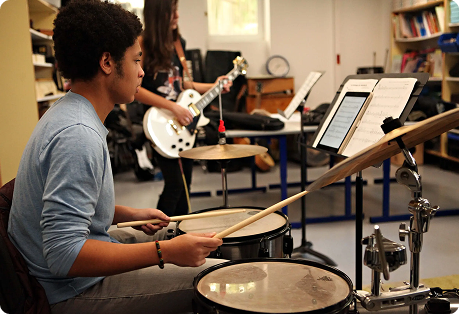
Listening is a key skill in music, and learning drums helps students become more aware of sound, timing, and musical structure. Drummers must pay close attention to rhythm patterns, tempo changes, and how their playing fits with other instruments. This improves their ability to recognize details in music and respond accordingly. As learners develop stronger listening skills, they become better at staying in sync with others and maintaining a consistent groove. This awareness enhances overall musicianship and makes it easier to collaborate in group settings. Improved listening also helps students understand music more deeply, allowing them to play with greater accuracy and confidence.

The Social and Performance Benefits of Drumming

Drumming often involves playing with others, which helps build social skills and teamwork. When learners perform in group settings, they develop the ability to communicate through rhythm and adjust their playing to match others. This experience improves confidence and reduces stage fear, especially when performing in front of an audience. Playing with others also creates a sense of belonging and motivation, as students share their progress and learn from each other. Over time, these interactions build strong connections and make learning more enjoyable. Whether in casual sessions or structured performances, drumming encourages collaboration and helps students grow both musically and socially.

How Drumming Supports Mental Well-Being

Drumming has a powerful effect on mental well-being by providing both physical activity and emotional release. The repetitive nature of rhythm helps reduce stress and promote focus, creating a calming effect on the mind. At the same time, the physical energy involved helps release tension and improve mood. Many learners find drumming to be both exciting and therapeutic, making it an effective way to manage daily stress. It also encourages mindfulness, as players must stay present and focused while maintaining rhythm. Over time, this combination of focus and expression helps improve emotional balance and overall well-being.

Conclusion: Why Learning Drums Is So Valuable

Learning drums offers a wide range of benefits that go far beyond music, making it a valuable skill for people of all ages. From improving rhythm and coordination to building confidence and discipline, drumming supports both personal and creative growth. The combination of physical movement, mental focus, and creative expression makes it one of the most engaging ways to learn music. As learners progress, they develop skills that positively impact other areas of life, including communication, focus, and emotional well-being. With consistent practice and the right approach, drumming becomes more than just a hobby—it becomes a powerful tool for long-term development and self-expression.

Frequently Asked Questions

1. What are the main benefits of learning drums?
Learning drums improves rhythm, coordination, focus, and confidence. It also helps with creativity and provides a strong foundation for overall musical development.
2. How does drumming improve rhythm and timing?
Drumming trains the brain to recognize patterns and maintain a steady tempo. Regular practice helps internalize rhythm, making timing more natural and consistent.
3. Can learning drums help build confidence?
Yes, drumming builds confidence by allowing learners to achieve visible progress. Mastering new skills and performing rhythms helps improve self-esteem over time.
4. Does drumming improve discipline?
Yes, learning drums requires regular practice and repetition, which builds discipline. This habit of consistency often carries over into daily routines and responsibilities.
5. How does drumming improve coordination?
Drumming involves using both hands and feet independently, which strengthens coordination. Over time, this improves motor skills, balance, and overall control.
6. Is drumming good for mental health?
Yes, drumming helps reduce stress and improve focus through rhythmic repetition. It also provides a creative outlet for emotional expression and relaxation.
7. Can learning drums improve listening skills?
Yes, drummers must pay attention to timing, rhythm, and musical structure. This improves listening ability and helps learners stay in sync with other musicians.
8. Are drums a good instrument for beginners?
Yes, drums are beginner-friendly because basic rhythms can be learned quickly. With consistent practice, learners can gradually build more advanced skills.