What Beginners Can Learn from a Skilled Drum Teacher

Learning drums is about more than memorizing beats; it is about developing rhythm, expression, energy, and confidence through proper guidance. For beginners, a skilled drum teacher can make the early stages feel approachable, structured, and exciting. Students learn how to hold sticks correctly, understand timing, coordinate hands and feet, and build basic grooves without feeling overwhelmed. At West Island Music Academy, beginner drummers are supported in a friendly environment where progress is built step by step. A good teacher helps students discover their musical potential while keeping lessons fun, practical, and motivating. With the right instruction, drumming becomes a lifelong skill that builds discipline, creativity, and self-belief.
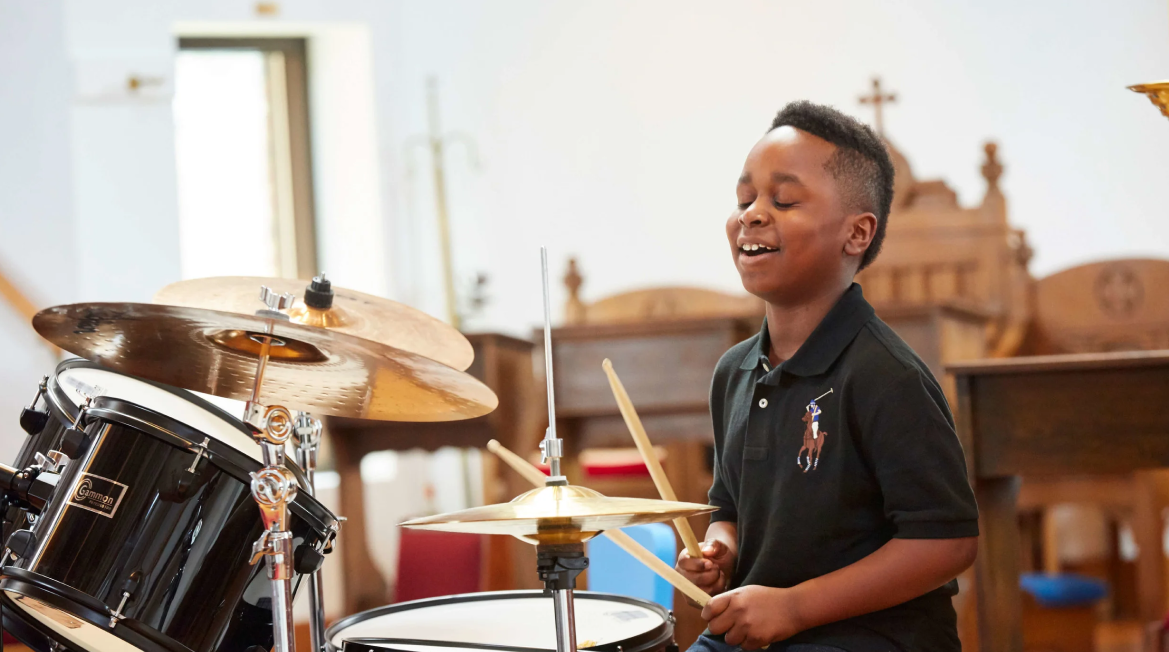
Why Does a Skilled Drum Teacher Matter for Beginners?

A skilled drum teacher matters because beginners need clear guidance, proper technique, and encouragement from the start. Good instruction prevents confusion and builds confidence early. The difference between casual practice and meaningful progress often comes from the way beginners are taught. A skilled drum teacher understands that every student learns differently, so instruction should match the learner’s pace, coordination, goals, and musical interests. Instead of focusing only on beats, the teacher helps students understand rhythm, timing, stick control, posture, listening, and practice habits. Friendly guidance also makes beginners more comfortable asking questions and making mistakes. At West Island Music Academy, early drumming support feels less like a rigid classroom and more like an exciting introduction to percussion. This balance of structure and encouragement helps students stay motivated.

How Can Beginner Drum Learning Benefit Different Ages?

Beginner drum learning benefits different ages by improving coordination, focus, confidence, creativity, and stress relief. Children, teens, and adults can all grow through rhythm. Drumming supports personal development far beyond music itself. Young children can strengthen coordination, listening, patience, and discipline through simple rhythmic patterns. Teens often use drumming as a creative outlet that builds self-confidence and emotional expression. Adults may find drumming rewarding because it relieves stress, sharpens mental focus, and offers an energizing hobby. The physical nature of drumming also keeps students engaged while helping them connect movement with sound. In Montreal and nearby areas like Pointe-Claire, Côte Saint-Luc, Beaconsfield, and Saint-Laurent, many learners benefit from beginner drum guidance that is both enjoyable and meaningful. These skills can support personal growth for years.

What Makes a Drum Teacher Helpful for New Students?

A helpful drum teacher combines musical experience, patience, clear communication, and encouragement. Beginners progress best when they feel comfortable, supported, and motivated. Great drum teachers are not only musicians; they are mentors who know how to inspire beginners. They understand how to explain rhythm in simple terms, demonstrate techniques clearly, and adjust lessons when a student needs more time. A friendly teacher creates space for students to make mistakes without embarrassment, which is essential for early confidence. Skilled instructors also expose learners to different musical styles such as rock, jazz, funk, pop, and classical percussion. This variety helps beginners discover what excites them most about drumming. Over time, the teacher’s role becomes more than correcting technique; they guide students toward their own musical voice.

Beginner Drum Skills That Match Musical Goals

One size does not fit all in music learning. Beginners can develop drum skills based on their goals, interests, and experience level.
$

New Beginners: Focus on basic rhythm, stick grip, posture, simple beats, and drum set familiarity.

$

Growing Beginners: Develop timing, coordination, simple fills, listening skills, and early performance confidence.

$

Goal-Oriented Learners: Work toward stronger practice habits, song learning, music reading, and performance preparation.
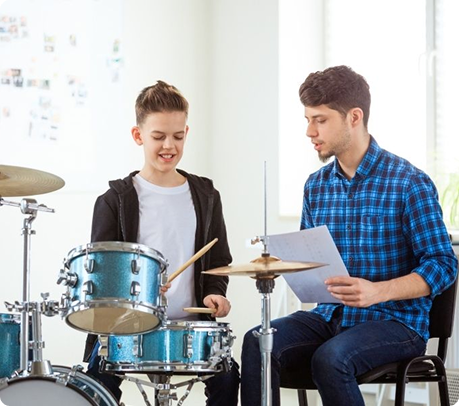
A skilled teacher listens to each student’s aspirations, whether they want to play casually at home, join a school band, or prepare for future performances. Every learning plan should feel natural, achievable, and rewarding. This flexible approach keeps beginners engaged while helping them build steady musical progress.

How Do Beginner Drum Lessons Build Confidence and Discipline?

Beginner drum lessons build confidence and discipline by combining structured practice with creative expression. Students learn that consistent effort leads to visible musical progress. Drumming requires both focus and freedom, which makes it powerful for personal development. Beginners learn how to follow practice routines, repeat exercises, count rhythms, and improve timing through steady effort. These habits encourage discipline that can carry into school, work, and everyday life. At the same time, drumming allows students to improvise, experiment, and enjoy the physical energy of music. When a beginner successfully plays a beat or performs a rhythm with control, confidence grows naturally. Skilled teachers help students recognize each milestone, no matter how small. This positive reinforcement makes practice feel purposeful and helps learners believe in their own progress.

Why Is a Creative Learning Space Important for Beginners?
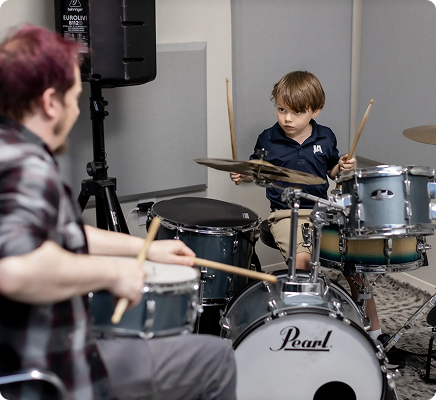
A creative learning space is important because beginners need room to explore rhythm without pressure. Encouragement helps students enjoy practice and develop their own musical interests. Music grows best when students feel safe, inspired, and supported. Beginner drummers benefit from lessons that allow experimentation with different rhythms, sounds, tempos, and styles. A skilled teacher encourages curiosity while still guiding students toward proper technique and steady improvement. This creates a positive cycle: students enjoy lessons, practise with more enthusiasm, and progress more naturally. For families in Montreal and surrounding areas, a welcoming music environment can make drumming feel like part of daily life rather than just another activity. When creativity is encouraged from the beginning, students become more connected to rhythm and more confident in their musical choices.

What Drumming Styles Can Beginners Explore?

Beginners can explore rock, pop, jazz, swing, funk, R&B, classical percussion, and world rhythms. Trying different styles helps students stay motivated and versatile.
A skilled drum teacher can introduce beginners to a wide range of musical styles so lessons remain fresh and engaging.
$
Rock and Pop: Perfect for students who want to play along with favorite songs.
$

Jazz and Swing: Builds rhythm flexibility, coordination, and improvisation awareness.

$

Funk and R&B: Develops groove, timing, syncopation, and control.

$

Classical Percussion: Introduces snare technique, reading skills, and orchestral awareness.

$

World Rhythms: Explores global percussion traditions, including Latin and African-inspired beats.

By experiencing different genres, beginners gain musical knowledge, build versatility, and start discovering the styles that match their personality.

How Does Local Learning Connect Beginners to Wider Musical Inspiration?

Local learning connects beginners to wider musical inspiration by combining accessible instruction with exposure to rhythms from different cultures and styles. Students grow within a supportive community. Although drum learning often begins with simple exercises, it can open the door to a much broader musical world. Students may explore patterns from rock, jazz, Latin, funk, blues, and other global traditions. At the same time, learning in a local community helps students stay consistent and connected. Families in Pointe-Claire, Côte Saint-Luc, Beaconsfield, Saint-Laurent, and nearby Montreal areas often value convenient access to structured musical support. A strong local learning environment gives beginners both consistency and inspiration. Students can feel rooted in their community while discovering how rhythm connects people across cultures, genres, and generations.

Start learning today with 50% off your first lesson on the instrument of your choice!

Why Do Performance Opportunities Help Beginner Drummers?

Performance opportunities help beginner drummers build confidence, manage nerves, and understand how rhythm works in real musical settings. Sharing progress makes learning more meaningful. Beginner drum learning does not have to stay inside the practice room. Performances, recitals, group sessions, and ensemble experiences give students the chance to apply what they have learned in front of supportive audiences. These opportunities help beginners overcome stage fright, listen to other musicians, and feel the excitement of live music. Whether playing simple grooves with peers or presenting a short rhythm exercise, performance adds purpose to practice. Skilled teachers prepare students carefully so they feel ready and encouraged. By connecting structured learning with real musical experiences, beginners gain pride, stage awareness, and stronger belief in their abilities.

How to Get Started with Drum Lessons

Enrolling in drum classes at West Island Music Academy is simple and welcoming. Interested students can schedule an introductory session to meet instructors, explore the facilities, and discuss their musical goals. From there, lessons are scheduled at convenient times for families in Montreal and the West Island. With flexible options for weekly or bi-weekly sessions, the academy ensures that drumming fits seamlessly into busy lifestyles. Whether you are a parent seeking enriching activities for your child or an adult eager to embrace music for the first time, West Island Music Academy makes it easy to get started.

Conclusion: Start Your Drumming Journey Today

Music has the power to inspire, connect, and energize, and drumming captures that power in every beat. With expert instructors, a welcoming atmosphere, and personalized lessons, West Island Music Academy provides the ideal place to begin or advance your musical journey. From Pointe-Claire to Beaconsfield, Côte Saint-Luc to Saint-Laurent, students across Montreal have found a supportive home for discovering rhythm. Now it’s your turn. Whether you dream of playing casually or performing on stage, our drum classes will help you achieve your goals with confidence and joy. Start today, and let every beat bring you closer to your musical potential.

Frequently Asked Questions

1. What can beginners learn from a skilled drum teacher?

Beginners can learn stick grip, posture, timing, basic rhythms, coordination, drum set familiarity, and simple grooves. A skilled teacher also helps students build confidence and practise correctly from the start.

2. Why is guided instruction important for beginner drummers?

Guided instruction helps beginners avoid poor technique, confusion, and bad habits. A teacher gives clear feedback on rhythm, hand position, posture, timing, and practice routines.

3. Can children, teens, and adults all start learning drums?
Yes, children, teens, and adults can all start learning drums. Lessons can be adapted to each student’s age, coordination, goals, attention span, and preferred musical style.
4. How does drumming build confidence?
Drumming builds confidence by helping students see progress through repeated practice. Playing beats, learning songs, and performing in supportive settings gives beginners a strong sense of achievement.
5. What drumming styles can beginners explore?
Beginners can explore rock, pop, jazz, swing, funk, R&B, classical percussion, and world rhythms. Trying different styles helps students discover what they enjoy most.
6. Why is creativity important in beginner drum learning?

Creativity keeps drumming enjoyable and motivating. When students experiment with rhythms, tempos, and sounds, they develop their own musical interests while strengthening technique.

7. Do beginner drummers need performance opportunities?
Performance opportunities are helpful because they give students a goal, build stage confidence, and make practice more meaningful. Even simple showcases can encourage growth.
8. How can beginners start learning drums the right way?
Beginners should start with proper stick grip, posture, counting, simple rhythms, and consistent practice. Working with a skilled teacher provides structure, feedback, and a clear path for progress.