Classical vs Contemporary Violin Styles: What Should You Explore?

Exploring classical and contemporary violin styles is one of the most engaging ways to build musical skill, expression, and discipline. Each style offers a different path for growth. Classical violin develops precision, posture, tone, and interpretation, while contemporary playing encourages creativity, rhythmic flexibility, and personal expression. At West Island Music Academy in Montreal, students are guided through both traditions so they can understand how each style shapes technique and musical identity. Beginners and advanced players alike can benefit from exploring different sounds at their own pace. With structured support, learners gain confidence while discovering the expressive possibilities of the violin across traditional and modern musical settings.
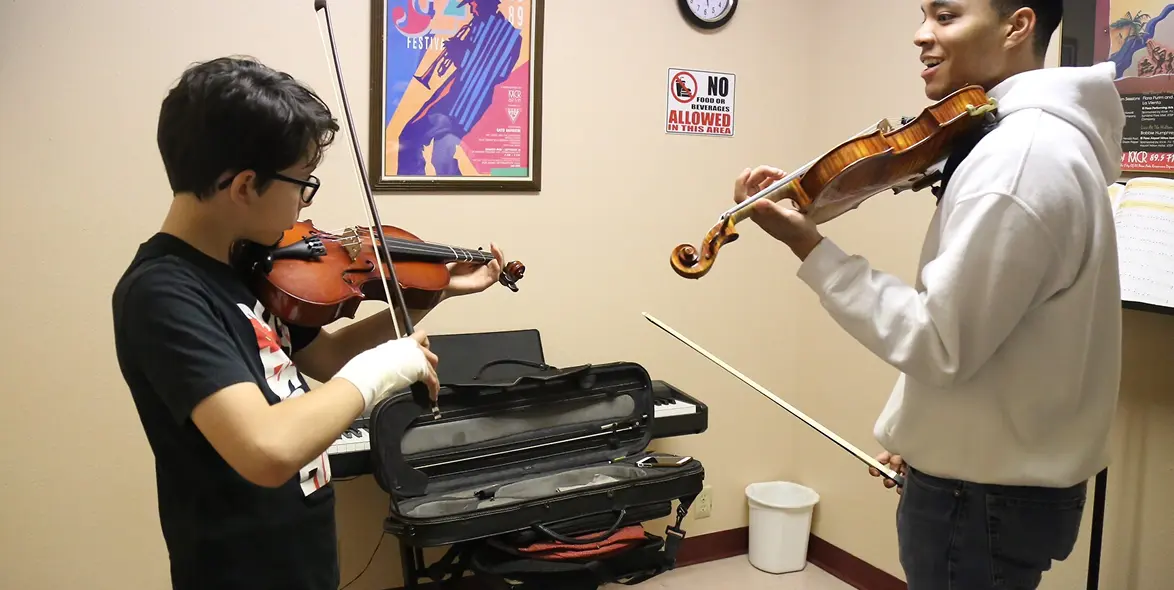
Why Is the Violin Inspiring Across Classical and Contemporary Styles?

The violin is inspiring because it can express delicate classical melodies, bold modern arrangements, emotional phrasing, and dynamic performance styles. Its versatility makes it meaningful across genres. Students are often drawn to the violin because it offers one of the most expressive tonal ranges of any instrument. In classical music, the violin can create refined melodies, dramatic phrasing, and elegant interpretation. In contemporary styles, it can adapt to pop, folk, cinematic, fusion, and experimental sounds. Learners explore how bow pressure, articulation, phrasing, rhythm, and tone color affect the emotional character of a performance. The instrument’s voice-like quality helps students communicate feeling through sound. By combining technique with musical interpretation, students begin to understand why the violin remains timeless across cultures, generations, and musical traditions.

How Does Classical Violin Training Build Strong Technique?

Classical violin training builds strong technique by developing posture, bow control, intonation, tone production, scales, études, and precise fingerboard navigation. These skills support every style. Classical foundations are valuable because they establish the technical precision needed for any musical direction. Students learn how posture, bow hold, hand alignment, and intonation shape clean and confident playing. Carefully structured exercises help reinforce healthy habits early, making it easier to progress into more advanced repertoire. By studying scales, études, and classical works, learners refine tone production, strengthen listening, and develop control across the fingerboard. These skills do not only apply to classical music. They transfer into contemporary genres as well, helping students play modern pieces with better accuracy, tone, and confidence. Classical training gives learners a strong base for creative exploration.
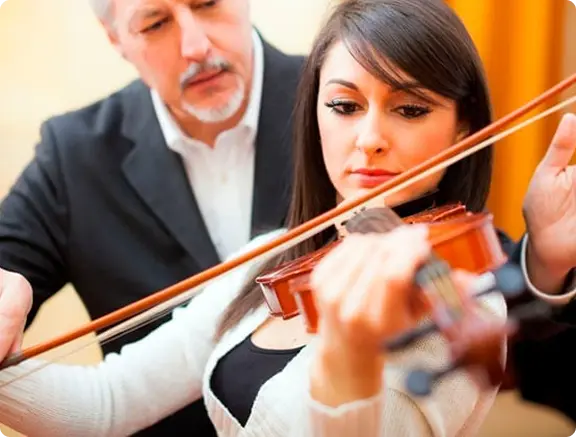
Classical vs Contemporary Styles: What Students Learn

Classical Violin Skills

Proper bowing, vibrato development, and tone refinement

Interpretation of composers like Vivaldi, Mozart, and Beethoven

Precision building through scales and progressive exercises

Contemporary Violin Skills

Exploration of pop, folk, cinematic, and fusion genres

Creative improvisation and rhythmic bowing patterns

Performance using modern arrangements and technology

This blend helps violin learning remain inspiring and versatile. Classical skills strengthen discipline, tone, and control, while contemporary styles encourage students to experiment, personalize their sound, and connect with music they enjoy. Together, both styles help learners become more complete and expressive musicians.

How Can Students Learn Technique with Confidence and Clarity?

Students learn technique with confidence when complex skills are broken into clear, manageable steps. Understanding why technique matters makes practice more focused and less overwhelming. Strong violin learning should balance detail, patience, and motivation. Students need to understand not only how to play a technique but why that technique affects sound, comfort, and expression. Teachers may demonstrate proper bow strokes, finger placement, posture, and tone production while encouraging learners to listen closely to sound quality. Small corrections become stronger habits through consistent practice. This clarity helps students feel secure as they move into more challenging material, whether classical or contemporary. With individualized guidance and supportive coaching, violin learning remains enjoyable while still maintaining high musical standards and steady technical growth.

How Can Different Ages and Skill Levels Explore Violin Styles?

Different ages and skill levels can explore violin styles through flexible pacing, age-appropriate repertoire, and personalized goals. Classical and contemporary music can support learners at every stage. A welcoming learning environment helps students explore music without feeling limited by age or background. Young beginners may start with simple classical melodies and familiar modern tunes. Teen musicians often enjoy combining technique with creative repertoire, ensemble work, or performance goals. Adults returning to music may appreciate both classical structure and contemporary pieces that feel personally meaningful. Students from West Island communities such as Pointe-Claire, Côte Saint-Luc, Beaconsfield, and Saint-Laurent benefit from guidance that adapts to their goals. Whether learners want technical precision, creative expression, or music as a hobby, style exploration can make violin learning more engaging and sustainable.

What Makes a Strong Approach to Violin Style Exploration?

A strong approach combines expert guidance, personalized planning, engaging methods, and performance opportunities. Students grow best when technique and creativity develop together.

Expert Guidance for Style Development

Teachers with classical and contemporary experience help students understand how different styles shape technique, tone, rhythm, and interpretation.

Personalized Style Pathways

Each learner benefits from a plan that reflects their skill level, musical interests, and long-term goals.

Engaging Modern Learning Methods

Backing tracks, digital tools, modern arrangements, and creative exercises can make contemporary exploration more immersive and enjoyable.

Performance Opportunities That Build Confidence

Recitals, ensemble work, and informal showcases help students practise stage presence while applying both classical and contemporary skills in real settings.

How Does Expression Differ Between Classical and Contemporary Violin?

Expression differs because classical violin often follows detailed phrasing and composer markings, while contemporary violin allows more freedom in rhythm, tone, and interpretation. True violin growth comes from more than technical accuracy. Students need to learn how to shape tone color, dynamics, phrasing, and emotional nuance. In classical music, expression often involves understanding the composer’s structure, historical style, and written markings. In contemporary music, students may explore personal phrasing, rhythmic variation, improvisation, and modern tone choices. Both approaches strengthen musicality. Exercises that encourage students to interpret melodies in different ways help them hear how small changes can create dramatic emotional effects. By exploring both traditions, learners discover their authentic musical voice while improving control and creativity.

Start learning today with 50% off your first lesson on the instrument of your choice!

Why Does Exploring Violin Styles Offer Lifelong Benefits?

Exploring violin styles offers lifelong benefits because it builds discipline, focus, creativity, confidence, listening skills, and emotional expression. These qualities extend beyond music. Students often find that violin learning develops skills that support academic, personal, and creative growth. Classical practice encourages consistency, attention to detail, and technical discipline. Contemporary exploration encourages creativity, adaptability, and personal expression. Both styles require deep listening, coordination, and patience. As students master increasingly challenging pieces, they build confidence and resilience. Children may gain responsibility and focus, while adults may experience stress relief and artistic fulfillment. Whether violin becomes a hobby, passion, or future career path, exploring different styles gives students a richer musical experience and life skills that last beyond the practice room.

How Do Classical and Contemporary Styles Support Performance Growth?

Classical and contemporary styles support performance growth by helping students apply technique, develop stage presence, collaborate with others, and communicate emotion in different musical settings. Performance experience gives violin learning a clear purpose. Solo opportunities allow students to express individuality, while ensemble work strengthens listening, timing, and collaboration. Classical performances may focus on interpretation, tone control, and technical precision. Contemporary performances may involve modern arrangements, creative phrasing, or playing with backing tracks and groups. Students learn to manage nerves, prepare repertoire, and connect with an audience. Supportive guidance helps learners feel ready through work on interpretation, technique, and performance style. This well-rounded approach helps students grow as musicians and gives violin practice meaning beyond weekly exercises.

Conclusion: Begin Your Violin Journey With Confidence at WIMA

Violin lessons at West Island Music Academy offer students the opportunity to explore classical and contemporary styles in a supportive, inspiring environment. With expert instructors, personalized programs, and flexible violin classes for all ages, WIMA helps learners build strong technique and expressive musicality. Whether you live in Montreal or the surrounding West Island communities, the academy provides the ideal setting to begin or advance your violin journey. Through structured guidance, engaging repertoire, and consistent encouragement, students discover how fulfilling the violin can be. Start your violin lessons today and unlock your potential to create music that is expressive, dynamic, and deeply meaningful.

Frequently Asked Questions

1. What is the difference between classical and contemporary violin styles?
Classical violin focuses on posture, tone control, intonation, written interpretation, and traditional technique. Contemporary violin often explores pop, folk, cinematic, fusion, improvisation, and more flexible expression.
2. Should beginners start with classical or contemporary violin?
Beginners often benefit from classical foundations because they build posture, bow control, intonation, rhythm, and tone. Contemporary pieces can also be added to keep practice enjoyable and motivating.
3. Can students learn both classical and contemporary violin styles?
Yes, students can learn both styles. Classical training builds discipline and technical control, while contemporary music encourages creativity, versatility, and personal musical identity.
4. Why is classical training useful for contemporary violin playing?
Classical training improves bow control, finger placement, tone production, rhythm, and listening skills. These foundations help students play contemporary music with better accuracy, confidence, and expression.
5. What skills are important for contemporary violin?
Contemporary violin skills may include rhythmic bowing, improvisation, creative phrasing, modern arrangements, ensemble awareness, and stylistic flexibility. These skills help students adapt to different genres.
6. How does expression differ between classical and contemporary violin?

Classical expression often follows composer markings, phrasing, and traditional interpretation. Contemporary expression may allow more freedom with rhythm, tone color, improvisation, and personal style.

7. Do violin styles affect performance confidence?
Yes, exploring different styles can improve performance confidence by giving students more ways to express themselves. Classical pieces build precision, while contemporary music often feels relatable and creatively engaging.
8. How can students choose which violin style to explore?
Students can choose by listening to different genres, trying simple pieces from each style, and considering their goals. Many learners benefit from exploring both classical and contemporary violin before focusing on one direction.