
How Different Age Groups Learn Violin with Confidence
The violin is one of the most versatile instruments, celebrated across classical, jazz, folk, and modern music. Different age groups learn violin in different ways, but every student can build confidence with dedication, guidance, and encouragement. Children often need playful structure, teens benefit from self-expression and performance goals, adults appreciate flexible pacing, and seniors may enjoy music as a meaningful mental and creative activity. At West Island Music Academy, students in West Island, Montreal, and surrounding areas are supported through personalized teaching that matches their age, goals, and learning style. With the right approach, violin learning becomes a rewarding journey built on technique, expression, enjoyment, and steady progress.
Why Can Violin Be Learned Confidently at Any Age?
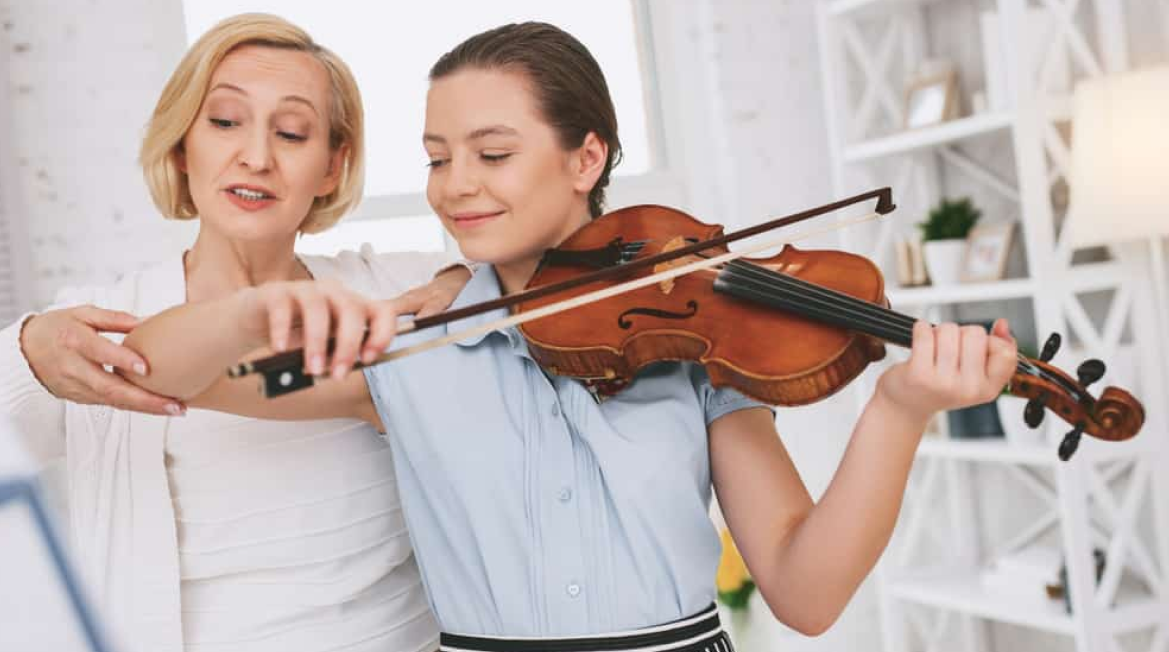
Violin can be learned confidently at any age when instruction matches the student’s physical ability, goals, attention span, and motivation. Age affects the method, not the possibility of progress. Music has no age limit, and violin learning shows this clearly. Young children can develop focus, coordination, listening skills, and creativity through age-appropriate instruction. Teenagers may use the violin as a tool for self-expression, identity, and performance growth. Adults often find confidence through personal achievement, relaxation, and creative fulfillment. Seniors may enjoy the challenge of learning new skills while keeping the mind active through music. At West Island Music Academy, students from Pointe-Claire, Côte Saint-Luc, Beaconsfield, Saint-Laurent, and nearby communities learn in a nurturing environment where music connects generations. Confidence grows when learners feel supported at their own stage.
How Does the Right Learning Environment Build Confidence?
How Do Students Build Strong Violin Technique at Different Ages?
Step-by-Step Learning Journey in Violin Lessons
How Do Children Learn Violin with Confidence?
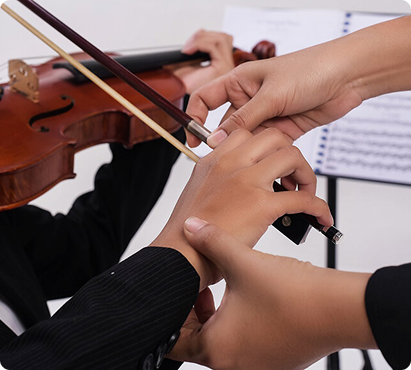
Children learn violin with confidence through playful exercises, short activities, positive reinforcement, and clear routines. Early success helps them develop focus, discipline, and musical curiosity. Children often thrive when exposed to music from a young age, and violin learning can nurture discipline, creativity, and coordination. Teachers use age-appropriate methods that keep lessons interactive and fun. Simple rhythms, familiar melodies, movement-based activities, and games help children build technique without feeling overwhelmed. Parents in West Island and Montreal often notice positive changes in confidence, focus, and patience as children continue learning. For young students, the goal is not only to play notes but to enjoy the process of discovery. When children feel encouraged and supported, they become more willing to practise, try again, and celebrate each new milestone.
What Children Learn While Building Violin Confidence:
Basic Posture and Bowing: Establishing strong technique from the beginning.
Ear Training: Developing listening skills through familiar melodies.
Rhythm and Timing: Building coordination through playful exercises.
Creative Exploration: Encouraging children to enjoy music through games and songs.
How Do Adults Learn Violin with Confidence?
Key Advantages for Adult Learners: