Classical vs Modern Violin Styles: What Should You Learn?
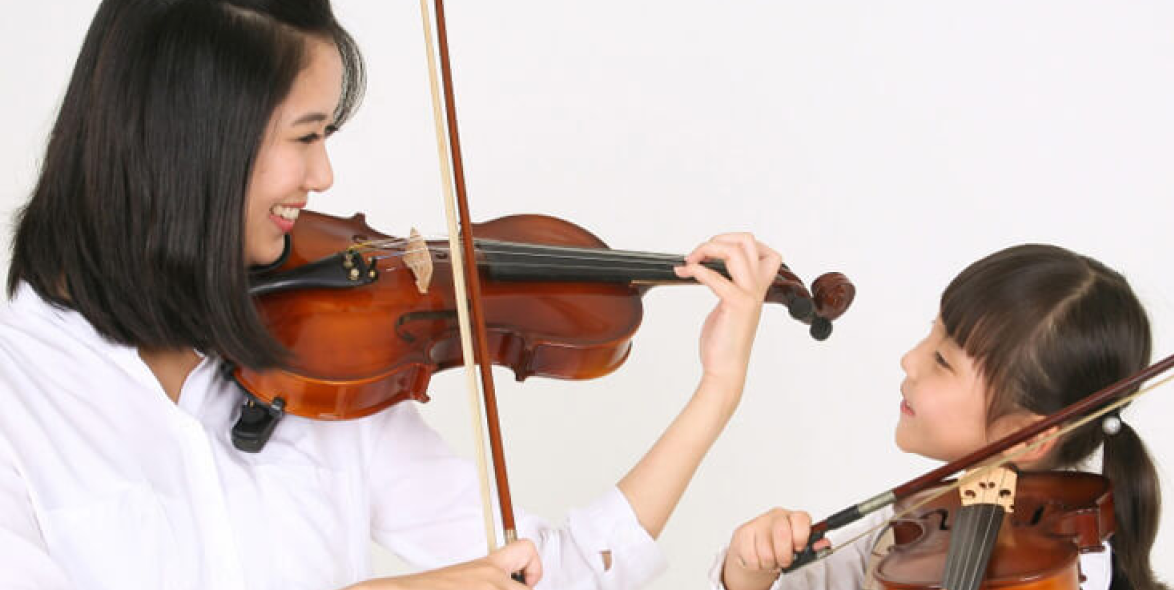
Starting the violin is exciting because the instrument can move between elegant classical works and expressive modern styles with ease. For many students, the question becomes whether they should focus on classical foundations, explore contemporary music, or build skills in both. At West Island Music Academy, learners are guided through technique, confidence, and musical expression so they can understand how different styles shape their playing. Classical training builds posture, bow control, intonation, and discipline, while modern styles encourage creativity, flexibility, and personal interpretation. With patient guidance and engaging practice, students can discover the joy of expressing themselves through the violin while choosing a musical direction that matches their goals.

Why Is the Violin So Rewarding Across Different Styles?

The violin is rewarding because it can express emotion across classical, pop, folk, cinematic, and contemporary music. Its range of sound makes it adaptable for many musical goals. The violin is loved for its expressive sound, emotional range, and ability to adapt across genres. When students begin learning, they discover how subtle bow movements, finger placement, listening skills, and phrasing create powerful musical results. Classical playing often highlights precision, tone, and structure, while modern styles may focus more on creativity, rhythm, and personal expression. Over time, skills such as vibrato, articulation, and dynamics help bring any style to life. Families in Montreal and the West Island appreciate how violin study builds discipline, patience, and artistic awareness. With the right foundation, students can explore multiple styles and feel proud of their musical progress.

How Does Classical Training Build Strong Violin Technique?

Classical training builds strong technique through posture, bow control, intonation, rhythm, and hand coordination. These foundations help students play with clarity and long-term confidence. Foundational technique is essential for every violinist, especially when deciding between classical and modern styles. Classical training often gives students the strongest base because it emphasizes relaxed posture, flexible bow hold, accurate finger placement, and careful coordination between both hands. Students learn how to create a stable tone, stay in tune, and build muscle memory through consistent exercises. These fundamentals support more advanced repertoire later, whether the student continues with classical pieces or moves into pop, film, folk, or contemporary music. Learners from Pointe-Claire, Beaconsfield, and other parts of Montreal benefit from structured practice because it helps them feel confident while exploring new material.

Why Do Reading Skills and Rhythm Matter in Every Style?

Reading skills and rhythm matter because they help violinists understand timing, notation, phrasing, and musical structure. These skills support both classical accuracy and modern expression. Reading music is an important part of violin development, no matter which style a student prefers. Beginners learn rhythmic values, note names, bowing symbols, and expression markings through accessible activities. As they progress, students learn how dynamics, articulation, phrasing, and tempo shape the character of a piece. Rhythm exercises, clapping activities, simple études, and score reading help strengthen timing and coordination. Students across Côte Saint-Luc and the West Island benefit from this balanced approach because it supports independence and confidence. Classical players need reading precision, while modern players often use rhythm and phrasing creatively. Both paths become stronger when students understand the language of music.

How Are Classical and Modern Violin Styles Different?

Classical violin focuses on precision, tone control, written interpretation, and traditional technique. Modern violin often emphasizes creativity, stylistic flexibility, rhythm, and personal expression. One of the most exciting parts of violin learning is exploring multiple musical styles. Classical training builds discipline, technical control, tone quality, and careful interpretation. Contemporary and modern repertoire encourages creativity, personal sound, and expressive freedom. Pop, film, folk, or crossover pieces can make practice feel relatable and motivating. Students may experiment with bowing style, phrasing, rhythm, dynamics, and interpretation to understand how each genre feels different. Montreal’s culturally rich music environment also encourages learners to try new sounds and connect with music more deeply. This variety keeps practice fresh while helping students choose whether they prefer classical structure, modern expression, or a balanced mix of both.
Intermediate Violin Growth: Building Musical Complexity

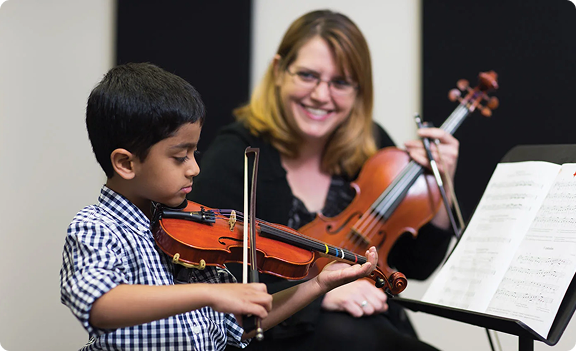
As students grow, the difference between classical and modern styles becomes more meaningful. Intermediate players begin practising shifting, advanced bowing patterns, scales, and more complex rhythms that strengthen coordination and expression. Classical pieces may require careful intonation, clean articulation, and dynamic contrast, while modern selections may introduce syncopation, creative phrasing, or a more flexible tone. Teachers provide targeted feedback that helps students overcome technical challenges while staying inspired. Students from Saint-Laurent and Montreal often find this stage exciting because their musical preferences become clearer. Intermediate development allows learners to tackle richer repertoire and understand how technique supports both classical depth and modern creativity.

Advanced Violin Development for Dedicated Students

Advanced players can benefit from studying both classical and modern violin styles because each develops a different part of musicianship. Classical repertoire may focus on advanced bow strokes, complex shifting, orchestral excerpts, chamber music, and refined interpretation. Modern playing may involve expressive tone colors, stylistic freedom, improvisation, film music, or contemporary arrangements. Students work on subtle aspects of articulation, phrasing, vibrato, and dynamic control while building technical maturity. Whether preparing for auditions, recitals, ensemble work, or personal artistic goals, advanced practice challenges violinists to push their boundaries. With expert guidance, dedicated students can achieve polished, expressive, and technically confident performances across different musical settings.

Start learning today with 50% off your first lesson on the instrument of your choice!

How Does Emotional Expression Change Between Styles?

Emotional expression changes because classical music often follows detailed phrasing and dynamics, while modern styles may allow more personal interpretation. Both require control and musical sensitivity. Expression is the heart of violin playing, whether a student chooses classical or modern music. As technical skills grow, learners begin shaping phrases through bow speed, pressure, tone color, and articulation. Teachers help students understand emotional content, storytelling, and stylistic interpretation across different genres. A classical piece may require subtle control and respect for the composer’s markings, while a modern piece may invite a more personal tone or rhythmic feel. These expressive techniques transform simple notes into meaningful music. Students in Montreal and the West Island discover that expression deepens both their performances and their personal connection to the instrument.

Why Does Personalized Guidance Help Students Choose a Style?

Private violin lessons offer personalized instruction that ensures proper technique, strong progress, and enhanced musical confidence. One-on-one sessions allow teachers to identify challenges early and adapt teaching strategies to meet the student’s needs. This approach builds comfort, discipline, and consistency. Families across the West Island appreciate how private instruction helps students strengthen intonation, refine bow control, and develop a reliable practice routine. Whether preparing for performances or simply building skill, private violin classes provide a supportive environment where students feel valued and motivated. The combination of structure and encouragement leads to long-term musical growth.

How Does Montreal’s Music Culture Inspire Style Exploration?

Montreal’s music culture inspires style exploration by exposing students to orchestras, chamber music, festivals, multicultural performances, and contemporary sounds. This variety helps learners stay motivated. Montreal’s vibrant music scene gives violin students a meaningful backdrop for discovering different styles. From orchestral performances and chamber concerts to multicultural festivals in Côte Saint-Luc and community events in Beaconsfield, students can experience classical tradition and modern creativity in real life. These experiences deepen appreciation and spark motivation during practice. WIMA encourages students to observe live music, explore local culture, and connect what they learn with real artistic experiences. Exposure to performances helps students understand tone, phrasing, emotion, and interpretation more clearly. This cultural connection can make violin learning more inspiring and help students decide which styles feel most exciting.

Celebrating Milestones in Your Violin Journey

Every step in a student’s journey matters, whether they are playing a first simple melody, mastering a classical étude, or performing a modern arrangement. Milestones show growth, discipline, and passion. Teachers at WIMA recognize the importance of celebrating progress because encouragement keeps students motivated and excited about practice. Students from Pointe-Claire, Saint-Laurent, and beyond often feel proud as each new skill opens the door to greater musical possibilities. These moments also help learners understand which styles inspire them most. As students gain confidence, they begin shaping a musical identity that can include classical tradition, modern creativity, or a thoughtful blend of both.

Start Your Violin Classes in Montreal Today

Whether you’re a beginner taking your first steps or an advanced player striving for excellence, WIMA’s violin classes offer everything needed for musical success. With personalized violin lessons, expert teachers, and a supportive environment, students in Montreal and the West Island grow into confident, expressive musicians. From classical foundations to modern styles, WIMA helps learners discover their full potential while enjoying every stage of the process. Begin your violin journey today and experience how inspiring, transformative, and fulfilling music-making can be.

Frequently Asked Questions

1. What is the difference between classical and modern violin styles?
Classical violin focuses on precision, tone control, written music, posture, and traditional technique. Modern violin styles often allow more creativity, flexible phrasing, rhythmic freedom, and personal expression.
2. Should beginners start with classical violin or modern violin?
Beginners often benefit from classical foundations because they build posture, bow control, intonation, rhythm, and reading skills. Once these basics are strong, students can explore modern styles more confidently.
3. Can students learn both classical and modern violin styles?
Yes, students can learn both styles. Classical training builds discipline and technique, while modern styles help develop creativity, versatility, and a personal musical voice.
4. Why is classical violin training useful for modern music?
Classical training improves bow control, pitch accuracy, tone quality, rhythm, and hand coordination. These skills make it easier to play pop, folk, film music, and contemporary arrangements with confidence.
5. How do modern violin styles help students stay motivated?
Modern styles often include familiar songs, film pieces, pop melodies, or contemporary arrangements. Playing music students enjoy can make practice more exciting and personally meaningful.
6. What skills are important for every violin style?
Important skills include posture, bow control, intonation, rhythm, music reading, dynamics, phrasing, and listening. These foundations support both classical accuracy and modern expression.
7. How does emotional expression differ between violin styles?
Classical music often follows detailed phrasing, dynamics, and interpretation based on the composer’s markings. Modern styles may allow more personal tone, rhythm, and expressive freedom.
8. How can students choose the right violin style to learn?
Students can choose by exploring different pieces, listening to various genres, and considering their goals. A balanced approach helps learners discover whether they prefer classical structure, modern creativity, or both.