Violin Learning Guide: Techniques, Practice Tips, and Progress Stages

The violin is a timeless instrument that welcomes learners at many stages of life. From young students developing coordination to adults exploring music for personal fulfillment, learning violin provides a structured and rewarding path into musical expression. A strong violin learning guide should focus on technique, rhythm, practice habits, and steady progress rather than only learning songs. At West Island Music Academy, students build fundamentals in a supportive environment where each stage feels clear and achievable. With the right guidance, violin learning becomes accessible, motivating, and sustainable. Students develop healthy playing habits, musical confidence, and a deeper connection to sound, helping them grow with patience, purpose, and long-term enjoyment.
Who Can Benefit from a Violin Learning Guide?

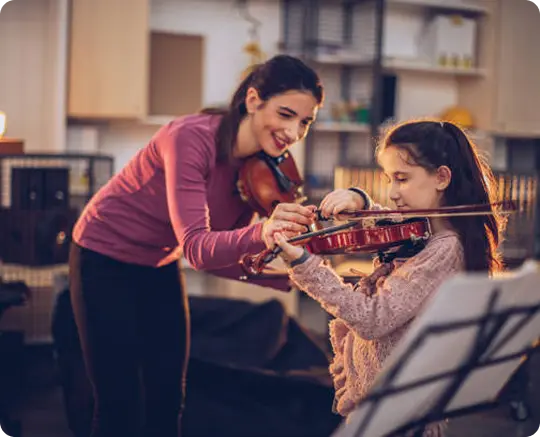
A violin learning guide can benefit children, teens, adults, and seniors because it adapts technique, pacing, and goals to each learner’s needs. Structured guidance makes progress clearer. One of the greatest strengths of violin learning is flexibility. Children, teenagers, adults, and even seniors can all develop musical skills when instruction is shaped around their physical ability, attention span, learning pace, and goals. Younger students often benefit from movement-based exercises, repetition, games, and short practice tasks. Adults may prefer a more analytical explanation of posture, tone, rhythm, and technique. A professional learning environment respects these differences while still maintaining strong musical standards. At WIMA, teachers adapt the process without losing structure, helping each learner build confidence gradually. This makes violin learning practical, encouraging, and effective for students at every age.

What Core Techniques Should Violin Students Learn First?
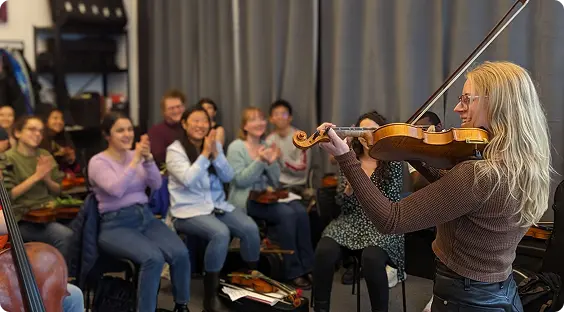
Violin students should first learn posture, bow control, intonation, rhythm, and hand coordination. These core techniques create the foundation for safe, confident, and expressive playing. Technique is central to every stage of violin learning. Without proper fundamentals, students may develop habits that limit progress, cause frustration, or create physical discomfort. A strong learning guide introduces essential skills gradually so students can build control without feeling overwhelmed.

Core techniques developed in violin learning include:

Proper violin and bow hold to reduce tension

Balanced posture for comfort and endurance

Bow control for consistent tone production

Accurate finger placement for clean intonation

Rhythmic coordination between hands

These elements are reinforced consistently so students develop healthy habits. With steady practice, technique becomes more natural and supports confident musical expression.

How Do Violin Progress Stages Work?

Violin progress stages guide students from basic foundations to intermediate skill-building and advanced musical expression. Clear stages help learners stay patient, focused, and motivated. Learning the violin is a gradual process, and students move through recognizable stages that reflect both technical ability and musical maturity. Understanding these stages helps learners avoid rushing and appreciate each step of growth.

The main progress stages in violin learning are:

$

Beginner stage: Focus on posture, open strings, simple rhythms, and basic note reading

$

Intermediate stage: Development of finger patterns, tone consistency, and rhythmic complexity

$

Advanced stage: Introduction of expressive techniques, refined bowing, and performance-level repertoire

A structured approach ensures students progress at a pace appropriate to their ability. This creates steady improvement while keeping learning enjoyable and sustainable.

What Practice Tips Help Violin Students Improve?

Violin students improve best with short, consistent practice sessions, clear goals, slow repetition, and regular review of fundamentals. Focused practice is more effective than long, unfocused playing. Practice is where violin technique becomes more natural. Many students do not struggle because they lack motivation; they struggle because their practice has no structure. A helpful violin learning guide emphasizes focused practice over long sessions without direction. Students should set small daily goals, revisit posture and bow control regularly, practise slowly for accuracy, and repeat difficult sections in manageable parts. Clear practice goals help students notice progress and avoid frustration. When practice is consistent, even modest sessions can build muscle memory, rhythm control, and confidence. This steady approach helps learners improve without feeling overwhelmed by the instrument’s challenges.

How Is Rhythm Developed While Learning Violin?

Rhythm is developed through counting, listening, clapping, bow coordination, and steady repetition. Strong rhythm helps students play confidently alone and with other musicians. Rhythm is essential to musical expression and ensemble playing. In violin learning, rhythm should not be treated as a separate subject; it should be part of every exercise, scale, and piece. Students learn to count beats, recognize note values, listen for pulse, and coordinate bow movement with timing. Simple rhythm drills, clapping exercises, and slow practice help students internalize timing naturally. Over time, learners develop a stronger sense of pulse, which supports cleaner playing and better musical confidence. Rhythm also helps students prepare for group music settings because they learn how to stay steady while listening and responding to others.

What Is the Difference Between Beginner and Advanced Violin Learning?

Beginner violin learning builds comfort, coordination, posture, and basic sound production, while advanced learning focuses on refinement, control, expression, and performance-level interpretation. Clear differences between levels help students progress successfully. Beginners focus on developing comfort with the instrument, learning how to hold the violin, producing clean open-string sounds, reading simple notes, and coordinating both hands. The goal is confidence and healthy foundations. As students advance, learning shifts toward precision, endurance, expressive depth, advanced bowing, tone control, and more complex repertoire. Intermediate and advanced learners need targeted feedback that helps them refine technique and interpret music with greater maturity. This structured progression keeps students challenged appropriately while maintaining motivation and enjoyment. Each level builds on the previous one, creating long-term musical growth.

Learning Violin at a Music School in Montreal

West Island Music Academy supports violin learning through professional instruction and a welcoming environment. Based in Montreal and serving the West Island community, WIMA helps students build technique, rhythm, confidence, and sustainable progress. Learners attend from Pointe-Claire, Côte Saint-Luc, Beaconsfield, and Saint-Laurent because they value consistent teaching standards and a personalized approach. A music school setting gives students structure, accountability, and regular feedback, all of which support better learning habits. Whether students are starting from the beginning or continuing their development, the focus remains on strong fundamentals, clear progress stages, and meaningful musical growth. This environment helps violin learning feel organized, encouraging, and connected to long-term goals.

Why Is Consistency Important in Violin Practice?

Consistency is important because regular violin practice builds muscle memory, strengthens technique, improves retention, and prevents gaps in learning. Small, steady effort leads to long-term progress. Learning violin requires repetition and reinforcement. Regular practice helps students remember finger placement, bow direction, rhythms, and posture more naturally. Even short sessions several times a week can create noticeable improvement when paired with clear instruction and feedback. Consistency also helps students avoid losing momentum between lessons. A structured learning environment supports this by giving students routines, accountability, and goals to work toward. Over time, repeated practice builds confidence because students understand what they are doing and why it matters. This steady approach helps technique become more reliable and makes musical growth feel achievable rather than unpredictable.

Start learning today with 50% off your first lesson on the instrument of your choice!

Violin Learning as a Long-Term Musical Path

Violin learning offers more than technical skill. It develops discipline, listening ability, patience, focus, and emotional expression. Many students discover that the skills built through violin practice improve their understanding of music as a whole. As they advance, violin learning can support goals such as ensemble participation, auditions, school programs, personal creative projects, or lifelong enjoyment. Even students who play only for fun benefit from the structure and creativity that music provides. The violin can become a meaningful long-term activity because it grows with the learner. Each stage brings new challenges, new sounds, and new opportunities for artistic connection and personal achievement.

Confidence Built Through Violin Learning

Confidence grows when students understand their technique, recognize their progress, and know how to practise effectively. Structured violin learning removes uncertainty by giving students clear goals and measurable steps. As learners master posture, bow control, rhythm, tone, and pieces, they begin to trust their ability to improve. Overcoming challenges also builds patience and resilience. This confidence often extends beyond music because students learn how to approach complex skills with discipline and focus. Whether a beginner plays a first melody or an advanced student prepares for performance, each milestone strengthens self-belief. Violin learning helps students feel capable, expressive, and proud of their growth.

A Structured Violin Learning Guide for Every Student

A strong violin learning guide is most effective when technique, practice habits, rhythm, and progress stages are clearly defined. At West Island Music Academy, students follow a thoughtful educational framework that supports learners of different ages and levels. The goal is to make violin learning clear, encouraging, and sustainable while helping every student develop strong musical foundations. For learners in Montreal and across the West Island, this structured approach provides guidance, consistency, and motivation. With proper support, students can move forward with confidence, improve steadily, and build a lasting connection to music. Violin learning becomes a journey of skill, expression, and personal growth.

Frequently Asked Questions

1. What should a violin learning guide include?
A violin learning guide should include posture, bow control, intonation, rhythm, music reading, practice habits, and progress stages. These areas help students build strong foundations and improve with confidence.
2. What techniques should beginners learn first on violin?
Beginners should first learn how to hold the violin, use the bow correctly, maintain balanced posture, play open strings, follow simple rhythms, and place fingers accurately for clean intonation.
3. How do violin progress stages work?
Violin progress usually moves from beginner foundations to intermediate skill-building and then advanced expression. Each stage adds new techniques, stronger tone control, and more complex musical interpretation.
4. What are the best practice tips for violin students?
The best practice tips include short consistent sessions, slow repetition, clear daily goals, regular review of fundamentals, and focused work on difficult sections instead of playing everything from start to finish.
5. Why is rhythm important when learning violin?
Rhythm helps students play with steady timing, coordinate bow movement, and perform confidently with others. Strong rhythm also supports musical expression and ensemble playing.
6. How is beginner violin learning different from advanced learning?
Beginner learning focuses on comfort, posture, open strings, basic note reading, and coordination. Advanced learning focuses on refined bowing, expressive techniques, tone control, complex repertoire, and performance preparation.
7. Why is consistency important in violin practice?
Consistency helps build muscle memory, improve retention, strengthen technique, and prevent gaps in learning. Even short regular practice sessions can lead to steady progress over time.
8. How does violin learning build confidence?
Violin learning builds confidence by giving students clear goals and measurable progress. As students master techniques, overcome challenges, and play complete pieces, they begin to trust their ability to learn and improve.