Different Drum Styles Explained: Rock, Jazz & Pop
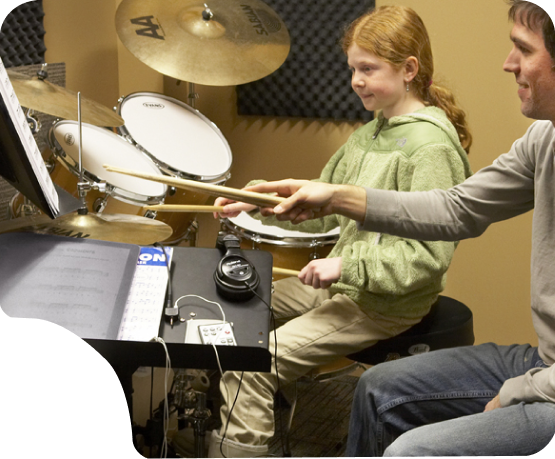
Drumming is not limited to a single sound or approach—it evolves across different musical styles, each with its own rhythm, feel, and technique. From the powerful energy of rock to the expressive freedom of jazz and the precision of pop, every style shapes how a drummer plays and interprets music. Understanding these styles helps drummers develop versatility, improve musical awareness, and adapt to different performance settings. Whether you are just starting or expanding your skills, exploring multiple drum styles is essential for building a well-rounded and expressive playing approach.

Rock Drumming: Power, Energy, and Groove

Rock drumming is known for its strong energy, powerful backbeats, and driving rhythm that defines the foundation of many bands. This style focuses on consistency, stamina, and the ability to maintain a steady groove while supporting guitars and vocals. Drummers develop skills such as controlling dynamics, executing impactful fills, and maintaining tight synchronization with bass lines. Rock drumming often emphasizes clear transitions between sections, allowing players to move from steady verses to explosive choruses smoothly. This style builds confidence, physical endurance, and a strong sense of timing that translates well into many other genres.k drumming builds confidence, stage-ready charisma, and authentic power behind the kit.

The Beautiful Art of Playing Jazz Drums

Jazz drumming focuses on expression, subtlety, and musical interaction rather than strict repetition. Drummers learn to listen closely, respond to other musicians, and shape the rhythm dynamically throughout a performance. This style introduces techniques such as swing patterns, brush playing, ghost notes, and syncopation, all of which contribute to a more fluid and expressive sound. Jazz drumming encourages improvisation, allowing players to experiment with timing, phrasing, and rhythm variations. It develops a deeper musical understanding and enhances a drummer’s ability to adapt in real time.

Why Pop Drumming Requires Precision, Charisma, and Creative Versatility
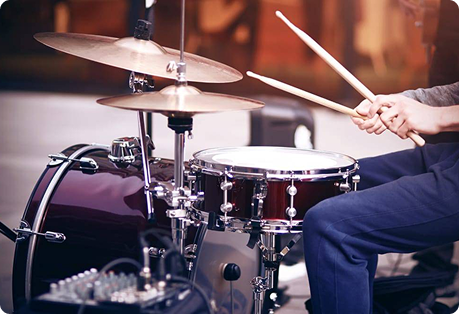
Pop drumming is centered around precision, clean execution, and maintaining a consistent groove that supports modern music production. Unlike more expressive styles, pop drumming often requires restraint, focusing on tight timing and minimal but effective fills. Drummers work with click tracks and structured arrangements, ensuring every beat aligns perfectly with other elements in a song. This style blends influences from multiple genres, making versatility an essential skill. Pop drumming helps players develop discipline, accuracy, and the ability to perform reliably in both live and studio environments.
What Makes Pop Drumming Unique

Clean, polished rhythmic execution

Tasteful minimal fills

Tight synchronization with production

Why Pop Drumming Builds Career Versatility

Cross-genre skill transfer

Valuable for studio / live playing

Required in modern production

Drumming Builds Brain Power, Motor Skills, and Mind-Body Coordination

Drumming supports cognitive development, focus, muscle memory, and problem-solving. It improves bilateral coordination because it uses all four limbs in independent patterns, while simultaneously requiring timing control and attention to rhythm. Students who take drum lessons at West Island Music Academy quickly notice a rise in concentration, listening skills, fine motor abilities, reaction timing, and overall mental clarity. This instrument strengthens neural pathways, enhances math-related pattern recognition, and encourages faster decision-making. Because drumming is highly physical, it also improves body awareness, stamina, and confidence under performance pressure. In Montreal, where creativity and performance culture thrive, drums offer students a way to channel energy positively while building meaningful life skills that strengthen academic performance and personal growth.

Drumming Influences Every Genre and Encourages Musical Exploration

Exploring different drum styles helps drummers become more adaptable and musically aware. Each genre introduces unique rhythms, techniques, and approaches that expand a player’s skill set. Instead of being limited to one style, drummers gain the ability to adjust their playing based on the musical context. This versatility is valuable in both live performances and studio settings, where flexibility is often required. Learning multiple styles also keeps practice engaging and encourages continuous growth as a musician.

How Musical Environment Influences Style Development

A drummer’s environment can play a significant role in shaping their musical style. Being exposed to a wide range of music, live performances, and collaborations introduces new ideas and influences. A strong musical culture encourages experimentation and helps drummers stay inspired. Access to different genres and performance opportunities allows players to refine their style and develop a unique musical voice. Over time, these influences contribute to a more dynamic and expressive approach to drumming.

Start learning today with 50% off your first lesson on the instrument of your choice!

How Learning Environments Support Style Development
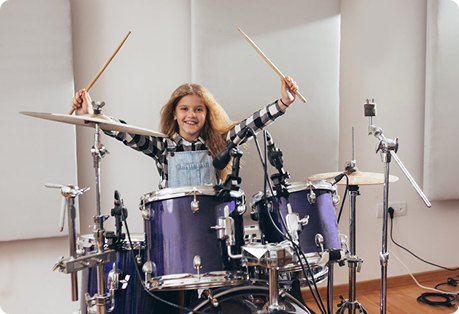
A structured and supportive learning environment can accelerate a drummer’s development across different styles. Practicing in a focused setting allows players to receive feedback, correct mistakes, and refine techniques more effectively. Exposure to different musical ideas and structured practice sessions helps drummers build consistency and confidence. Over time, this environment supports steady growth and encourages creative exploration.
Why Structured Learning Helps

Real-time feedback

Faster improvement in technique

Consistent motivation

What Drummers Experience While Learning

Collaborative playing

Practice with real music

Exposure to different styles

Drum Lessons Are Available for All Ages, All Skill Levels, and All Aspirations

At West Island Music Academy, we firmly believe that everyone can learn drums — and everyone deserves to feel the thrill of performing, creating, and feeling rhythm in their bones. Children benefit from early exposure to musical structure. Teens gain identity and creative outlets. Adults discover personal expression, stress relief, and the satisfaction of skill-building. We also work with students preparing for auditions, festivals, bands, and studio sessions. The academy supports learning environments in Montreal, including communities like Beaconsfield and Saint-Laurent, making drum classes convenient, flexible, and inspiring. Our teachers are working professionals who know how to make learning exciting, consistent, methodical, and aligned with the student’s personal goals.

Conclusion: Take the Next Step — Your Drumming Journey Starts Here

There has never been a better time to explore music and ignite your creativity through drums. Whether you want to perform in a jazz group, join a rock band, produce pop tracks, or simply build coordination and confidence, drum lessons at West Island Music Academy offer an authentic pathway toward musical excellence. With the energy of Montreal’s thriving performance culture and the academy’s supportive instructors, every student gains access to a dynamic learning space where growth becomes continuous. Contact the academy today to schedule your first lesson. Your sense of rhythm is waiting to be unlocked — and this is your moment to make it happen.

Frequently Asked Questions

1. What are the main types of drum styles?
The main drum styles include rock, jazz, and pop, each with unique rhythms and techniques. Other styles like funk, Latin, and blues also influence modern drumming.
2. What is the difference between rock and jazz drumming?
Rock drumming focuses on strong backbeats and consistent energy, while jazz drumming emphasizes improvisation, swing feel, and dynamic expression.
3. Why is pop drumming more precise than other styles?
Pop drumming requires tight timing and clean execution to match modern production. Drummers often play with click tracks, making accuracy essential.
4. Which drum style is best for beginners?
Rock drumming is often best for beginners because it focuses on simple grooves and strong rhythm foundations. It helps build timing and confidence early.
5. Can a drummer learn multiple styles at the same time?
Yes, learning multiple styles improves versatility and musical understanding. Exploring different genres helps drummers adapt and develop a broader skill set.
6. How do different drum styles improve overall playing?
Each style introduces new techniques, rhythms, and coordination challenges. This helps drummers become more adaptable and creative across different musical settings.
7. Do drum styles affect a drummer’s technique?
Yes, each style requires different techniques, such as power in rock, finesse in jazz, and precision in pop. These variations improve overall control and expression.
8. Why is it important to learn different drum styles?
Learning multiple styles helps drummers become more versatile and confident. It also prepares them for different musical environments and performance opportunities.