
Different Piano Styles Explained: Classical, Jazz & Pop
Why Is Piano a Strong Foundation for Learning Different Music Styles?
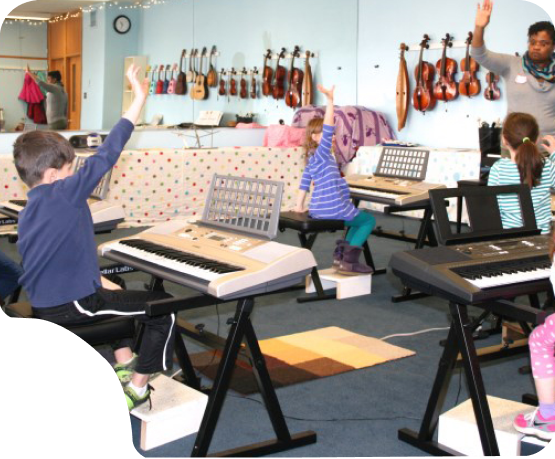
Piano is a strong foundation because it visually connects rhythm, harmony, melody, chords, and theory across many styles. The piano is often considered a strong starting point for understanding music because the keyboard makes musical patterns easier to see. Students can observe how notes, chords, scales, and harmonies relate to each other across the instrument. This visual structure supports learning in classical, jazz, pop, and many other styles. Piano also helps develop rhythm, ear training, coordination, memory, and concentration, which are useful for every musical direction. A student who understands piano basics can later explore composition, accompaniment, improvisation, or even another instrument with more confidence. This makes piano not only an expressive instrument but also a practical foundation for broader musical growth.
What Makes Classical Piano Different?
What Makes Jazz Piano Creative and Expressive?
Jazz piano focuses on improvisation, chord progressions, rhythm, listening skills, swing feel, and personal musical expression.
Core Focus Areas
Improvisation Techniques: Learn how to express musical ideas through spontaneous playing.
Chord Voicings & Progressions: Understand jazz harmonies and create a richer sound.
Ensemble Playing: Build listening skills and learn how to perform with other musicians.
These skills help students develop creativity, timing, and confidence while building their own musical voice.
What Makes Pop Piano Fun and Practical?
Pop piano focuses on familiar songs, chord patterns, rhythmic accompaniment, playing by ear, and modern musical confidence. Pop piano is popular because students can learn songs they already know and enjoy. This makes practice feel immediately relevant and motivating. Instead of focusing only on formal repertoire, pop piano often teaches chord patterns, rhythmic accompaniment, ear training, melody playing, and singing support. Students may learn how to cover favorite songs, accompany themselves, or create simple arrangements. Pop piano also helps learners understand modern music structure, including verses, choruses, hooks, and repeated progressions. This style is practical because it connects technique to real music that students hear every day. For many learners, pop piano keeps motivation high while still building rhythm, coordination, and musical understanding.
How Can Piano Style Learning Be Personalized by Age and Level?
Piano style learning should match the student’s age, skill level, pace, musical goals, and preferred genre.
Tailored Learning Paths
This approach helps students grow steadily while connecting practice to music they enjoy.
How Do Piano Teachers Help Students Explore Different Styles?
How Does the Learning Environment Support Style Exploration?
Start learning today with 50% off your first lesson on the instrument of your choice!
What Piano Learning Options Help Students Explore Styles?
Program Options
Private Piano Study: One-on-one instruction focused on personal strengths, goals, and areas for improvement.
Group Piano Learning: Collaborative practice that develops teamwork, listening skills, and confidence.
Performance Workshops: Opportunities to play live, strengthen stage presence, and apply style-specific skills.
Different learning options can support different types of students. Private study helps learners work deeply on personal goals, while group learning builds listening and collaboration. Performance workshops help students apply what they have learned in real musical settings. These options are useful across classical, jazz, and pop because each style benefits from both individual practice and shared musical experience. Flexible learning opportunities also help students balance structure with creativity, making long-term progress easier to maintain.
Enroll in Piano Classes in Montreal Today
Frequently Asked Questions
1. What are the main piano styles students can learn?
The main piano styles include classical, jazz, pop, film music, and contemporary piano. Classical, jazz, and pop are often the most common starting points.
2. What makes classical piano different?
Classical piano focuses on technique, reading music, posture, precision, dynamics, and expressive interpretation through traditional repertoire.
3. What makes jazz piano unique?
Jazz piano is unique because it focuses on improvisation, chord progressions, rhythm, swing feel, listening skills, and personal musical expression.
4. Why is pop piano popular with students?
Pop piano is popular because students can learn familiar songs, chord patterns, rhythmic accompaniment, and modern music they already enjoy.
5. Which piano style is best for beginners?
Beginners can start with any style, but many benefit from basic technique, rhythm, note reading, and simple songs before choosing a specific direction.
6. Can students learn more than one piano style?
Yes, students can explore multiple piano styles over time. Learning classical, jazz, and pop together can build stronger technique, creativity, and versatility.
7. How does piano help students understand music styles?
Piano helps students understand styles by showing how melody, harmony, rhythm, chords, and musical patterns connect across the keyboard.
8. How can students choose the right piano style?
Students can choose the right style by considering their musical interests, goals, skill level, and the type of music they enjoy playing most.