Is Piano Easy to Learn for Kids and Adults?
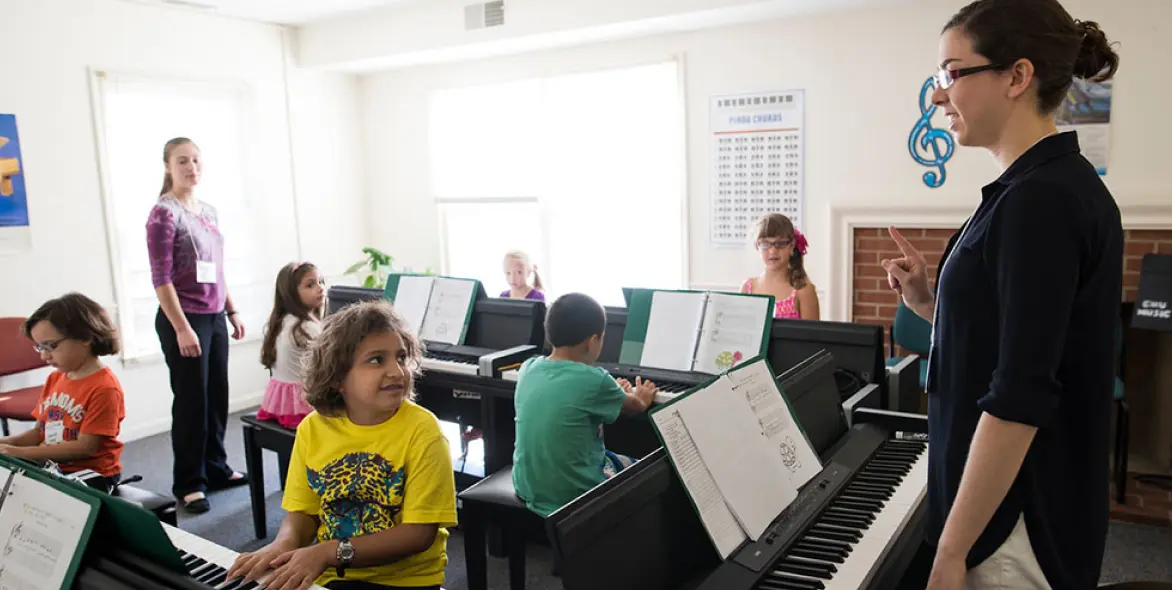
Piano is one of the most approachable instruments for both kids and adults, but ease depends on structure, patience, and consistent practice. The keyboard layout is visual and logical, which helps beginners understand notes, rhythm, and patterns more clearly. Children often enjoy piano because they can start with simple songs and interactive exercises, while adults may appreciate the clear progression and ability to learn at their own pace. However, real progress does not come from random practice. It comes from building posture, hand coordination, rhythm, note reading, and confidence step by step. With the right approach, piano can be enjoyable, manageable, and rewarding for learners at any age.

Is Piano Easy to Learn for Beginners?

Piano is easier to begin than many instruments because the keyboard layout is visual, but steady progress still requires structure, practice, and guidance. Piano can feel easier for beginners because each key produces a clear note immediately. Unlike some instruments, students do not need to develop breath control or finger pressure just to create a sound. The keyboard also shows musical patterns visually, which helps learners understand note movement, chords, and scales. However, piano still requires coordination, rhythm, posture, and reading skills. Beginners may find two-hand playing challenging at first, but this becomes easier with gradual practice. The best results come when students follow a clear path instead of jumping randomly between songs. With patience and structure, piano becomes easier over time and gives beginners early confidence.

Is Piano Easier for Adults Than Children?

Adults may understand concepts faster, while children often learn through repetition and play; both can succeed with the right approach. Adults and children learn piano differently, so ease depends on the learner’s strengths. Adults often bring focus, patience, and clear goals, which can help them understand theory, rhythm, and practice expectations more quickly. They may also connect learning to favorite songs or personal relaxation. Children, on the other hand, often learn well through games, repetition, simple melodies, and encouraging routines. They may not understand every concept immediately, but they can develop strong musical habits over time. Both age groups benefit from a structured path that matches their pace. Piano is not limited by age; it becomes easier when the method fits the learner.

How Can Kids Learn Piano the Right Way?

Kids learn piano best through age-appropriate structure, fun activities, simple melodies, rhythm games, and steady encouragement. Children need piano learning to feel both structured and engaging. Young students usually begin with rhythm, hand position, note recognition, and simple songs that build confidence. A playful approach can help them stay motivated while still learning important fundamentals. Games, familiar melodies, clapping exercises, and short practice goals make the process easier to understand. Children also benefit from patient repetition because coordination and attention develop gradually. When learning is too rushed, kids may feel overwhelmed. When it is too unstructured, progress can slow. A balanced approach helps children build concentration, memory, confidence, and musical awareness while enjoying the process.
Music student posing with guitar at a West Island Music Academy event

Benefits of Piano Learning for Children

Improved concentration and memory

Strong foundation in music theory

Increased confidence through achievement

When children receive consistent guidance, they develop skills that support both musical growth and academic development.

Why Does Structure Make Piano Easier to Learn?

Structure makes piano easier because it gives learners a clear path from basic skills to more advanced technique and expression. Structured piano learning helps students avoid confusion and frustration. Instead of guessing what to practice, learners move through a clear sequence of skills. They may begin with posture, hand position, note recognition, and simple rhythm before moving into two-hand coordination, dynamics, phrasing, and interpretation. This kind of progression prevents bad habits and helps students understand why each skill matters. Structure also gives learners a sense of progress, which builds motivation. For kids, it creates routine and confidence. For adults, it provides clarity and efficiency. When piano learning follows a roadmap, students are more likely to stay consistent and improve steadily.

Important Foundations Include:

$
Correct posture and hand technique
$
Gradual introduction of theory and reading
$
Balanced development of both hands
These foundations help students build lasting skills instead of relying only on memorization.

How Much Practice Is Needed to Make Piano Easier?

Piano becomes easier with consistent, focused practice, even if sessions are short and manageable. Progress in piano does not require endless hours at the keyboard. For beginners, short and focused practice sessions are often more effective than long, inconsistent ones. Kids may benefit from 10–15 minutes of regular practice, while adults may use 15–30 minutes depending on their schedule and goals. The key is consistency. Practice should reinforce what was recently learned, such as rhythm, note reading, hand position, or a short melody. Clear goals make practice feel less overwhelming and more productive. Over time, repeated practice builds muscle memory, confidence, and coordination. Piano becomes easier when students return to the basics regularly and improve step by step.

How Does the Learning Environment Affect Piano Progress?

A supportive learning environment can make piano feel easier and more enjoyable. Students need a calm space where they can focus, ask questions, make mistakes, and practice without pressure. A quality instrument, organized materials, and a comfortable setup can help learners build better habits. Location and accessibility also matter because regular attendance and practice become easier when learning fits into family or personal routines. For learners in Montreal, West Island, Pointe-Claire, Côte Saint-Luc, Beaconsfield, and Saint-Laurent, convenience can support consistency. Whether learning in person or from home, the environment should encourage focus, confidence, and steady progress. A positive setting helps students stay motivated.

Are In-Person and Online Piano Learning Both Effective?

Both in-person and online piano learning can be effective when the experience remains structured, interactive, and consistent. In-person learning may offer direct acoustic feedback and a focused studio environment, while online learning can provide flexibility and convenience for busy families or adults. The format matters less than the quality of guidance, practice structure, and student commitment. Beginners still need posture support, rhythm practice, note reading, and steady progression in either setting. Some learners may prefer face-to-face interaction, while others may do well from home with digital resources and live feedback. A consistent teaching standard helps students continue improving no matter which format they choose.

Start learning today with 50% off your first lesson on the instrument of your choice!

Piano Classes That Grow With the Student

The best piano programs support students over time, from beginner levels to advanced study. Structured piano classes allow students to progress naturally without needing to switch schools as their skills develop. A long-term approach ensures continuity in teaching methods and musical goals, which is especially valuable for both children and adult learners. At institutions like West Island Music Academy, piano classes are designed to adapt as students grow, offering structured music lessons that support lasting progress.

Final Thoughts: Structured Piano Classes Make the Difference

Learning piano is a journey that rewards patience, consistency, and proper guidance. With structured piano classes, students of all ages develop technique, confidence, and a deeper understanding of music. High-quality music lessons provide more than instruction. They create a clear path forward, helping students enjoy the process while achieving real results. Whether for a child starting fresh or an adult pursuing a lifelong goal, structured piano classes deliver lasting musical success.

Frequently Asked Questions

1. Is piano easy to learn for beginners?

Piano is easier to start than many instruments because the keyboard layout is clear and visual. However, steady progress still requires practice, patience, and structure.

2. Is piano easier for kids or adults?

Kids and adults learn differently. Children often learn through repetition and play, while adults may understand concepts faster because they usually have clearer goals and stronger focus.

3. Can adults learn piano with no experience?

Yes, adults can learn piano with no previous experience. Starting with posture, rhythm, note reading, and simple songs helps build confidence step by step.

4. How can kids learn piano successfully?

Kids learn piano successfully through short practice sessions, simple songs, rhythm games, encouragement, and age-appropriate structure that keeps learning enjoyable.

5. What makes piano easier to learn?

Piano becomes easier when students follow a clear learning path, practice consistently, build proper technique, and progress from simple skills to more advanced pieces.

6. How much should beginners practice piano?

Beginners can start with short, focused sessions. Kids may practice 10–15 minutes, while adults may practice 15–30 minutes depending on their schedule and goals.

7. Are online and in-person piano learning both effective?

Yes, both can be effective when the learning is structured, interactive, and consistent. The best format depends on the student’s schedule, comfort level, and learning style.

8. What should beginners learn first on piano?

Beginners should first learn keyboard layout, posture, hand position, rhythm, note reading, simple melodies, and basic coordination between both hands.