
Drum Skill Levels Explained: Beginner to Advanced Guide
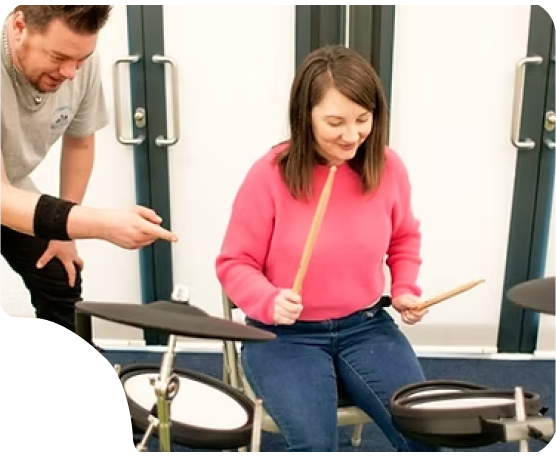
Understanding Drum Skill Levels
For Beginners
Learning basic stick control, rhythm patterns, and coordination lays the foundation for long-term musical growth. Beginners gain the confidence to play songs and enjoy the process of making music early on.
For Intermediate Players
Students at this level refine technique, learn new styles, and improve timing. Drum lessons introduce reading notation, developing dynamics, and preparing to play with other musicians.
For Advanced Drummers
Experienced drummers focus on complex rhythms, improvisation, and performance skills. WIMA instructors challenge them with advanced exercises, preparing for auditions, live shows, or professional careers.
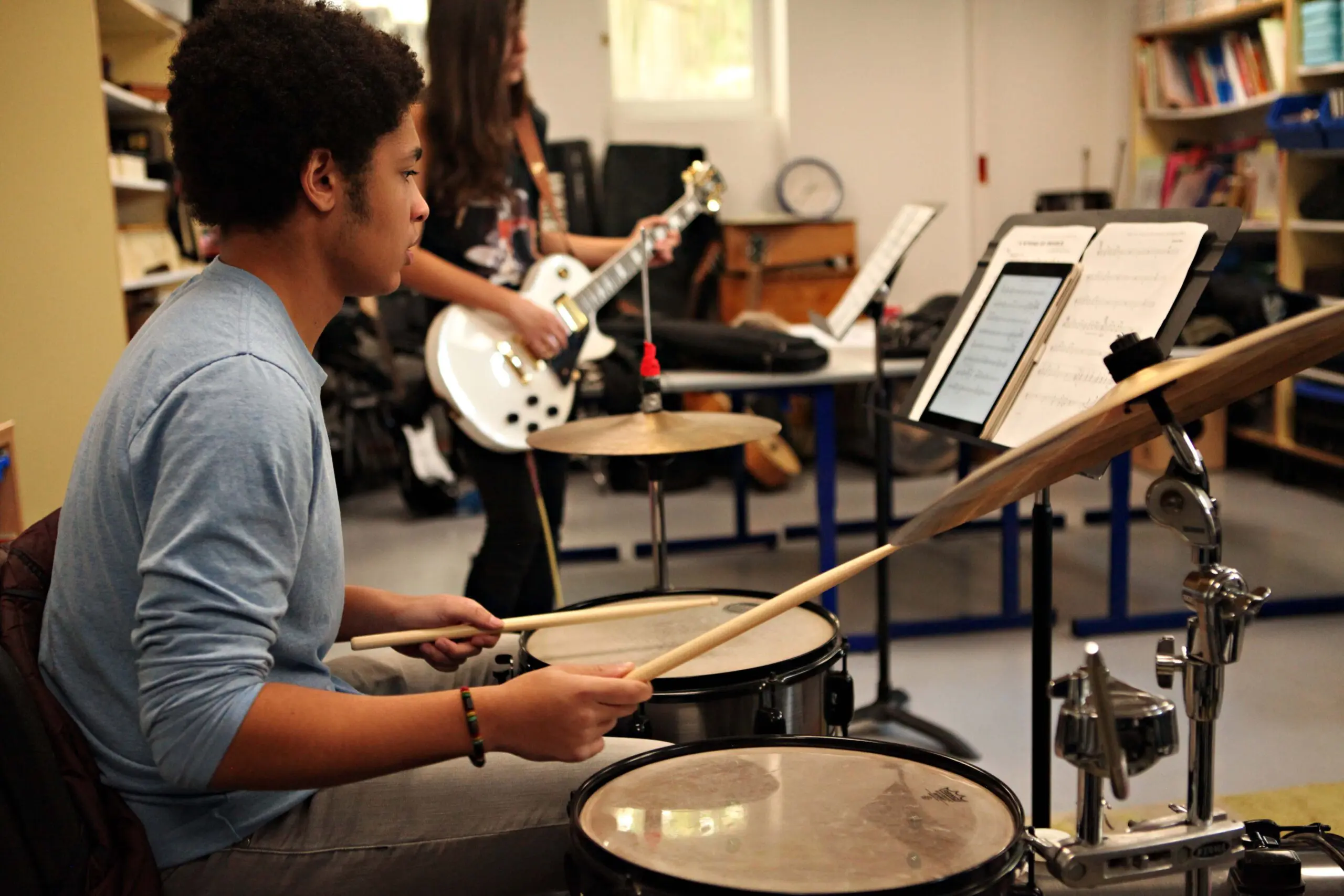
How Drummers Progress Through Skill Levels
The Benefits of Drum Classes at WIMA
Expert Instructors:
Professional musicians with performance and teaching experience.
Customized Curriculum:
Lessons designed around student goals and musical interests.
Performance Opportunities:
Regular recitals and showcases to build stage confidence.
Modern Facilities:
Comfortable and fully equipped studios in Montreal’s West Island.
All Ages Welcome:
Programs designed for children, teens, and adults.
Convenient Locations:
Serving Pointe-Claire, Côte Saint-Luc, Beaconsfield, and beyond.
How Skill Levels Expand Across Different Drum Styles
As drummers improve, their ability to explore different musical styles expands significantly. Each genre introduces unique techniques that help shape overall skill development. Rock drumming emphasizes power and consistency, while jazz focuses on finesse, improvisation, and subtle dynamics. Funk introduces syncopation and groove, while Latin and world rhythms challenge coordination and timing. By progressing through these styles, drummers build versatility and adaptability, which are essential for musical growth. This exposure not only strengthens technique but also helps players develop their own distinct sound and creative identity over time.
Start learning today with 50% off your first lesson on the instrument of your choice!
Building Confidence Through Performance
Overcoming Stage Fright
Playing live helps students channel nervous energy into excitement. With encouragement from instructors, they learn to control anxiety and transform it into confidence.
Teamwork and Collaboration
Group performances teach students to listen and adapt to others, reinforcing the role of drummers as the backbone of a band.
Celebrating Progress
Showcases give students a chance to see how far they’ve come, turning practice hours into proud on-stage achievements that inspire future growth.
How Drumming Improves Brain and Body Coordination
Community and Connection in Montreal’s West Island
WIMA is more than just a music school—it’s a community hub where friendships form and creativity flourishes. Located in the heart of the West Island, the academy welcomes students from Pointe-Claire, Beaconsfield, Saint-Laurent, and across Montreal. This local presence means students don’t just learn in isolation; they become part of a vibrant network of musicians. Whether collaborating in group sessions or cheering each other on during performances, students experience the joy of making music together. This sense of community enhances motivation and makes drum classes an exciting part of everyday life.
Why Understanding Drum Skill Levels Matters
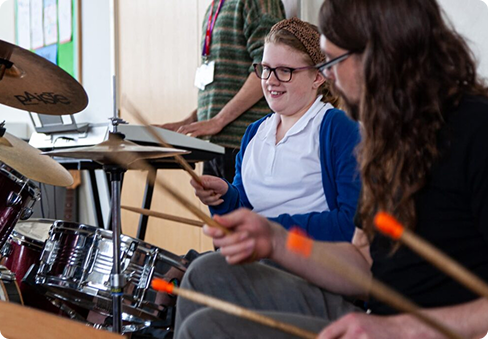
Why Choose WIMA for Drum Lessons?
West Island Music Academy has built its reputation on quality instruction, modern facilities, and an atmosphere that inspires students to succeed. The academy carefully selects instructors who are not only skilled performers but also passionate teachers, capable of connecting with students of all ages. Flexible scheduling makes it easy for families and working professionals to fit drum classes into their busy lives. Additionally, WIMA’s track record of student success speaks for itself—graduates often go on to join bands, pursue advanced music studies, or simply enjoy the lifelong joy of drumming. Choosing WIMA means choosing a music school dedicated to your growth.
Start Your Drumming Journey Today
Drumming is more than a hobby—it’s a way to express yourself, connect with others, and build confidence through music. At West Island Music Academy, every student is given the tools, encouragement, and professional guidance needed to thrive. With locations serving Montreal and nearby communities like Pointe-Claire, Côte Saint-Luc, Beaconsfield, and Saint-Laurent, WIMA makes learning convenient and rewarding. Whether you’re just starting out or looking to refine advanced skills, our drum lessons are designed to help you rock out, grow, and enjoy every beat along the way. Now is the perfect time to take your rhythm to the next level—your journey starts at WIMA.