How a Beginner’s First Violin Practice Session Works

A beginner’s first violin practice session is an exciting moment filled with curiosity, focus, and discovery. It is not about mastering the instrument immediately; it is about learning how to approach the violin with comfort, patience, and confidence. At West Island Music Academy in Montreal, beginners are guided through a structured first practice experience that introduces posture, bow movement, rhythm, and basic sound production. Students often wonder how to hold the violin, what to practise first, and how progress begins. With patient instruction, each step feels manageable and encouraging. A first practice session gives new learners the confidence to understand the instrument and begin building strong musical habits from the very start.

How Do Beginners Get Comfortable with the Violin?

Beginners get comfortable with the violin by learning its parts, how it produces sound, and how to handle it safely. Familiarity helps reduce fear and builds confidence. During a first violin practice session, one of the first steps is becoming familiar with the instrument itself. The violin may feel delicate or intimidating at first, but understanding its main components makes it easier to approach. Students learn about the fingerboard, bridge, strings, pegs, chin rest, and bow, along with how these parts work together to create sound. A teacher may explain how tuning affects pitch and how bow contact creates tone. This introduction helps beginners feel more in control and connected to the instrument. By understanding the violin physically and musically, students build confidence that supports future practice.

Why Does Posture Matter in a First Practice Session?

Posture matters because it helps beginners play comfortably, avoid tension, and develop control. Good positioning from the beginning supports healthy technique and smoother progress. Posture is a key part of the first violin practice session because it shapes how students hold the instrument and move while playing. Beginners learn how to position the shoulders, arms, hands, chin, and upper body so the violin feels balanced and stable. The instrument should rest comfortably on the shoulder and collarbone without excess pressure or stiffness. Teachers guide students to avoid tension that could make playing difficult later. This early awareness helps students build physical control and confidence before moving into more complex skills. When posture is introduced clearly from the start, practice feels safer, more natural, and easier to repeat.

How Do Beginners Start Learning Bow Grip and Tone?

Beginners start learning bow grip by placing the fingers naturally and practising slow bow movement on the strings. Tone develops through bow pressure, speed, and placement. One of the most exciting parts of a first practice session is holding the bow and creating sound. Beginners learn how the fingers rest on the bow and why a relaxed hand is important for control. The teacher may guide slow movements across open strings so students can hear how bow direction, pressure, speed, and placement affect tone. The first sounds may feel uneven, but that is normal. Each attempt helps build muscle memory and coordination. This stage helps students understand that tone is developed gradually. Producing even one clear note can feel rewarding and gives beginners motivation to keep practising.

Foundational Skills Beginners Start Practising

Open Strings and Simple Rhythms

Most beginners start by playing open strings because this allows them to focus on bow movement without worrying about finger placement. Simple rhythms help develop coordination, timing, and steady control from the beginning.

Basic Finger Placement

A teacher may introduce simple finger exercises to help the left hand begin developing strength and mobility. These early movements prepare beginners for simple melodies, scales, and future note-reading skills.

How Are Early Musical Concepts Introduced?
Early musical concepts are introduced through rhythm, tempo, note values, clapping, tapping, and simple playing exercises. These ideas help beginners connect movement with musical understanding. A first violin practice session often introduces musical concepts that support long-term growth. Beginners may start learning about rhythm, tempo, beats, and note values in simple, accessible ways. Teachers often use clapping, tapping, counting, or short rhythm patterns before applying those ideas to the violin. This makes music theory feel practical rather than abstract. Understanding these basics helps students read music more easily and follow pieces with greater confidence. When theory is connected to hands-on playing, learners begin to understand both how music sounds and how it works. This balanced approach helps beginners become more complete and confident musicians.

How Does Guided Practice Build Beginner Confidence?

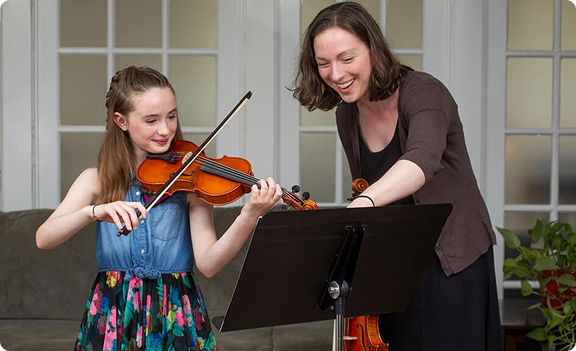
Guided practice builds confidence by breaking skills into small steps and showing beginners how to practise correctly. Clear feedback helps students feel supported instead of overwhelmed. After learning posture, bowing, and early finger placement, beginners usually work through short exercises that reinforce these basics. These patterns may seem simple, but they are important for building technique and preventing future frustration. Students learn to move slowly, listen carefully, and pay attention to body position while practising. This mindful approach helps beginners understand that practice is not about rushing but about repeating small movements correctly. At WIMA, the supportive atmosphere helps learners feel encouraged as they take their first steps. When beginners know what to practise and why it matters, they gain confidence and motivation.

How Does a First Practice Session Support Musical Growth?

A first practice session supports musical growth by connecting physical movement, sound, listening, and discipline. It creates the foundation for future melodies, technique, and expression. The first violin practice session is more than a simple introduction. It helps beginners understand how small physical actions affect sound and clarity. Students begin noticing how bow angle, pressure, posture, and left-hand placement influence tone. Even if they are not yet playing complete melodies, they are building the skills that make future music possible. This early stage encourages creativity, patience, and awareness. With consistent practice and supportive guidance, students gradually progress into simple pieces, stronger technique, and expressive playing. The first session gives beginners a sense of direction and helps them see how every small skill connects to long-term musical growth.

How Can Beginners Feel Supported During Practice?

Beginners feel supported when guidance is patient, structured, and encouraging. A clear practice path helps students understand what they are learning and what comes next.

Patient, Encouraging Guidance

A supportive teacher creates a comfortable learning space where beginners feel understood. Encouragement helps students stay motivated, especially when early sounds or movements feel unfamiliar.

Structured Practice for New Learners

A clear practice structure helps beginners know what to focus on first. Step-by-step guidance makes learning feel manageable and gives students confidence as they move from one skill to the next.

How Can Local Music Culture Inspire Beginner Practice?

Local music culture inspires beginner practice by helping students see the violin as part of a larger artistic world. Exposure to performances and styles makes learning more meaningful. Studying violin in Montreal gives beginners a unique source of inspiration because the city has a rich musical culture. Students may feel motivated by local performances in Saint-Laurent, community ensembles in Côte Saint-Luc, or concerts across the West Island. These experiences help learners connect their first practice session to the wider world of music. Practice becomes more than a technical routine; it becomes part of an artistic journey. WIMA encourages students to listen to different styles, attend performances, and explore the musical energy around them. This cultural connection can deepen motivation and make early violin learning more exciting.

Start learning today with 50% off your first lesson on the instrument of your choice!

Serving Students Across the West Island

West Island Music Academy welcomes students from Pointe-Claire, Beaconsfield, and surrounding communities, offering convenient access to supportive violin learning. Beginners benefit from an environment where practice feels inspiring, purposeful, and age-appropriate. Flexible scheduling helps students of different ages and backgrounds commit to regular musical growth. Whether a young learner is starting violin for the first time or an adult is exploring a new creative hobby, the first practice session is shaped to feel clear and enjoyable. This community-centered approach helps learners feel valued as they begin building technique, confidence, and a connection to music.

Discover the Confidence a First Practice Session Can Bring

Many beginners worry that violin practice will feel too difficult, but a well-guided first session helps replace that fear with confidence. Essential skills are broken into clear, manageable steps so students feel empowered from the beginning. Over time, early practice grows into more advanced work with scales, melodies, bowing patterns, and expressive playing. The journey requires patience, but steady guidance makes progress easier to understand. Students learn that every attempt matters, even when the sound is not perfect yet. A structured first practice session helps learners build strong foundations while discovering the joy and artistry that make the violin so rewarding.

Begin Your Violin Journey with WIMA Today

Your first violin lesson marks the beginning of something meaningful—an opportunity to explore creativity, discipline, and musical expression. At West Island Music Academy in Montreal, students receive expert guidance that transforms curiosity into confidence. Through clear instruction, engaging exercises, and an encouraging environment, beginners develop the technical skills and musical awareness needed to thrive in their violin classes. Whether you live in the West Island or elsewhere in the city, WIMA offers the structure and inspiration to help every new violinist grow. Take the first step toward your musical goals and start your violin lessons with WIMA today.

Frequently Asked Questions

1. What happens in a beginner’s first violin practice session?
A beginner’s first violin practice session usually introduces instrument parts, posture, bow grip, open strings, rhythm, and basic sound production. The goal is comfort, confidence, and understanding the first steps.
2. Why is posture important during the first violin practice session?
Posture helps beginners hold the violin comfortably, avoid tension, and move the bow more freely. Good positioning from the start supports better tone and healthier technique.
3. Do beginners play songs in their first violin practice session?
Most beginners start with open strings, simple rhythms, and short exercises before playing full songs. These basics help students build control before moving into melodies.
4. Is it normal for the violin to sound rough at first?
Yes, rough or uneven sounds are completely normal at the beginning. Students gradually improve tone by learning bow pressure, bow speed, contact point, and relaxed movement.
5. What should beginners practise first on violin?
Beginners should practise posture, bow hold, open-string bowing, simple rhythms, listening skills, and basic finger placement. These foundations prepare them for future songs and scales.
6. How does guided practice help beginners learn violin?
Guided practice breaks skills into small, manageable steps. A teacher provides corrections, encouragement, and clear goals so beginners know what to practise and how to improve.
7. How long should a beginner practise violin at first?
Beginners can start with short sessions of about 10–15 minutes. Consistent, focused practice is more effective than long sessions that cause fatigue or frustration.
8. How does the first practice session build confidence?
The first practice session builds confidence by helping students understand the instrument, produce their first sounds, and complete simple exercises. Each small success makes learning feel achievable.