How Beginners Can Explore Rock, Jazz, and Pop Drumming Styles

There is something electrifying about sitting behind a drum kit for the first time. Even before a beginner plays a full beat, the body begins to sense rhythm, pulse, and movement. Rock, jazz, and pop drumming each offer a different way to explore musical energy. Rock builds power, jazz develops flow, and pop strengthens timing and clean groove. At West Island Music Academy in Montreal, beginners are encouraged to discover these styles step by step rather than feeling pressured by complicated theory. Rhythm is not only natural talent; it is a trainable skill. With structured guidance, new drummers can build coordination, confidence, and musical feel while exploring styles that make practice exciting.
Why Is Drumming One of the Fastest Ways to Enter Music?

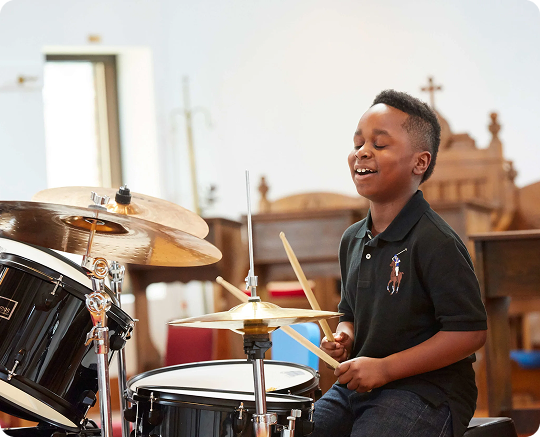
Drumming is one of the fastest ways to enter music because it teaches pulse before complexity. Beginners can feel rhythm physically from the very first session. Drums introduce music through movement, timing, and sound rather than abstract theory alone. Beginners hear rhythm in pop hooks, rock breakdowns, jazz ride patterns, and everyday music, making the instrument feel familiar from the start. While drums may seem difficult because both hands and feet move independently, coordination develops gradually through repetition. Step-by-step learning breaks patterns into manageable parts so the body can adapt. What first feels complicated slowly becomes instinctive. This makes drumming fun instead of intimidating. Beginners begin to understand how rhythm supports every musician, and each new beat helps them feel more connected to the structure and emotion of music.

How Can Beginners Build Skills Across Rock, Jazz, and Pop?
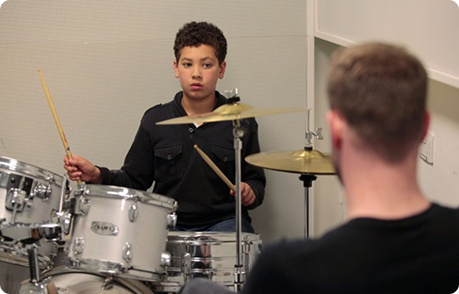
Beginners can build skills across rock, jazz, and pop by learning groove, timing, stick control, and style-specific feel. Each genre strengthens a different rhythmic ability. When beginners explore rock, jazz, and pop, the focus should begin with groove. Groove is the heartbeat of every drumming style. Rock requires steady downbeats and powerful backbeats, jazz needs subtle flow and ride cymbal control, and pop depends on clean timing and smooth transitions. Students learn these differences by feeling the music instead of only memorizing patterns. Early practice may include stick control, stroke technique, counting, simple fills, and staying “inside the pocket.” Because drumming is physical, the body absorbs these patterns through repetition. Over time, beginners begin to hear how each style feels different and how their playing shapes musical energy.

Core Concepts Beginners Learn When Exploring Drumming Styles

How to hold the sticks correctly with a relaxed grip

Basic rock and pop grooves using kick, snare, and hi-hat

Simple jazz ride patterns and swung eighth notes

Starting and stopping songs cleanly

Counting time confidently without overthinking

Why Do Drums Give Beginners Instant Feedback?

Drums give beginners instant feedback because every movement creates sound immediately. Students can hear rhythm, feel energy, and recognize progress from the beginning. Many instruments take time before beginners feel they are making satisfying music. Drums are different because the response is immediate. A beginner can strike a drum, hear the sound fill the room, and feel the rhythm physically. This makes early learning motivating and energizing. Students learn by doing, moving, listening, and correcting in real time. Each beat gives feedback on timing, control, volume, and coordination. Because progress is audible, beginners often feel encouraged quickly. A simple groove can create excitement, especially when played along with a familiar song. This instant connection helps students stay committed and confident as their skills develop.

How Do Rock, Jazz, and Pop Improve Musicality?

Rock, jazz, and pop improve musicality by teaching beginners how rhythm changes across genres. Each style develops timing, expression, listening, and groove in a different way. Every genre uses drums differently. In rock, drummers anchor the energy and give the music weight. In jazz, drums create conversation, movement, and subtle interaction between instruments. In pop, drums often support a clean pulse that matches vocal lines, hooks, and production precision. When beginners explore multiple styles, they become more versatile rather than limited to one sound. This versatility is useful for casual playing, future band work, school performances, or recording projects. Montreal’s diverse music culture also makes genre exploration meaningful because students can hear many rhythmic influences around them. Learning different styles helps beginners become more adaptable and expressive musicians.

Why Is Drumming Good for the Brain and Body?

Drumming is good for the brain and body because it trains coordination, memory, timing, focus, movement, and emotional release. It is both musical learning and physical activity. Few beginners realize how mentally and physically engaging drumming can be. When students practise rhythm, the brain enters a focused state that requires attention and responsiveness. Hands, feet, ears, and memory work together to keep time and shape sound. Physically, drumming activates the wrists, forearms, shoulders, core, back, and legs in a low-impact way. Students may release tension, build stamina, and feel more energized after practice. This combination makes drumming especially rewarding for teens and adults who want creativity, movement, and focus in one activity. The instrument feels good to play because it connects sound, body, and emotion.

Why Montreal’s West Island Is an Excellent Environment for Drummers

The West Island is filled with creative spaces, rehearsal rooms, and musical inspiration. This region of Montreal attracts artists, emerging performers, students, and passionate beginners. If you live in Pointe-Claire, for example, you may have seen small stages or local gatherings where new musicians are encouraged to experiment. Beaconsfield hosts community spaces where musicians of different ages feel welcome. In Côte Saint-Luc and Saint-Laurent, cultural diversity shapes rhythmic influences from many parts of the world. When beginners take drumming lessons in this environment, they are not learning in isolation. They are stepping into a community where their playing can grow, expand, and find performance opportunities.

Start learning today with 50% off your first lesson on the instrument of your choice!

How Can Group Experiences Help Beginners Explore Drumming Styles?

Group experiences help beginners explore drumming styles by teaching timing, listening, collaboration, and groove in real musical settings. Playing with others turns rhythm into communication. Although beginners may start one-on-one, many later benefit from ensemble sessions, band programs, or short intensive experiences. These settings help drummers understand how their beats support bass lines, guitar rhythms, vocals, and other instruments. Group playing strengthens timing accuracy because students must listen and respond, not simply play alone. Some beginners may also attend a music camp during summer or seasonal breaks, where daily practice and collaboration can accelerate growth. Immersive experiences allow students to explore rock, jazz, pop, and other styles in a social setting. Weekly guidance builds the vocabulary, while group experiences help develop fluency.

The West Island Music Academy Teaching Style

At West Island Music Academy, we create a learning environment where drumming lessons feel both structured and inspiring. We break technique into clear steps, teach rhythm in a way that feels intuitive, and encourage personal exploration as skills develop. Our instructors understand that every beginner arrives with different levels of comfort, coordination, and exposure. We meet students where they are. Some want to learn rock power immediately. Others want to explore jazz brushes and subtle feel gradually. Others want a modern pop groove that fits with digital tracks they love. The art of teaching drums is the art of understanding each student’s purpose — then guiding them toward it.

Conclusion: Rhythm Starts With One Moment of Decision

The moment you decide to take drumming lessons is the moment your musical identity begins. Rhythm is not something mystical that “some people have” and others do not. Rhythm is trainable. Pulse can be built. Coordination can be strengthened. If you live in Montreal or the West Island and have always imagined yourself behind a drum kit, the easiest path forward is to begin. Your hands can learn patterns. Your feet can learn independence. Your ear can learn timing. Drumming lessons are not symbolic dream maintenance — they are real, physical action toward becoming the musician you always wanted to be. The drum kit is waiting — the rest is your choice.

Frequently Asked Questions

1. How can beginners explore rock, jazz, and pop drumming styles?

Beginners can explore these styles by learning simple grooves, basic timing, relaxed stick control, and style-specific rhythms. Rock builds power, jazz develops flow, and pop strengthens clean timing.

2. Why is drumming a good starting point for new musicians?
Drumming teaches pulse, coordination, and rhythm in a physical way. Beginners can feel the beat quickly, making music more approachable and less intimidating.
3. What should beginners learn first when exploring drumming styles?
Beginners should first learn proper stick grip, basic kick-snare-hi-hat patterns, counting time, simple fills, and clean starts and stops before moving into more complex styles.
4. How is rock drumming different from jazz drumming?
Rock drumming usually focuses on strong backbeats, steady grooves, and power. Jazz drumming often uses swing feel, ride cymbal patterns, subtle dynamics, and more interactive playing.
5. Why is pop drumming useful for beginners?

Pop drumming helps beginners develop clean timing, simple groove control, and smooth transitions. It also allows students to practise with familiar songs they enjoy.

6. How does drumming help the brain and body?

Drumming improves coordination, memory, focus, timing, and physical movement. It engages the hands, feet, ears, and mind together, making it both musical and active.

7. Can group playing help beginners learn drumming styles?
Yes, group playing helps beginners improve listening, timing, teamwork, and groove. Playing with other musicians shows how drums support songs in real musical settings.
8. Do beginners need natural rhythm to start drumming?
No, rhythm can be trained. With repetition, guided practice, and patience, beginners can develop timing, coordination, and musical feel across rock, jazz, pop, and other styles.