
How Children Learn Piano Best: Parent’s Guide
Understanding how children learn piano best can help parents create a positive musical start that supports confidence, focus, creativity, and long-term interest. Children do not learn music through pressure alone. They need encouragement, structure, patience, and a learning environment that matches their personality and emotional pace. Some children are naturally curious and experimental, while others need reassurance before trying something new. Piano learning should build technical skills, but it should also feel joyful and achievable. When parents understand how children respond to rhythm, repetition, praise, creativity, and routine, they can support progress without turning music into stress. A strong beginning helps children build a lasting relationship with piano.
Why Does a Child’s Emotional Experience Matter in Piano Learning?
A child’s emotional experience matters because confidence, comfort, and encouragement often determine whether they stay interested in piano long term. Children learn best when they feel safe, valued, and capable. Piano is not only about scales, finger exercises, and note reading. It is also about how a child feels while learning. A warm and supportive environment helps young learners take risks, ask questions, and recover from mistakes without fear. Children often respond more strongly to emotional connection than technical correction. When small accomplishments are celebrated, confidence grows naturally. If pressure appears too early, a child may lose interest before discovering the joy of music. The best piano learning experience helps children feel successful while slowly building discipline, attention, and musical understanding.
How Do Learning Styles Affect Children’s Piano Progress?
Learning styles affect children’s piano progress because each child understands rhythm, sound, notes, and movement in a different way. Children learn piano in different ways, and recognizing those patterns can reduce frustration in the early stages. Some children need to see diagrams, hand positions, or keyboard patterns before they understand a concept. Others learn by listening closely and copying sounds. Some children need to move, tap, clap, or experiment physically before rhythm and coordination begin to make sense. When the learning approach matches the child’s natural style, progress feels more comfortable and less forced. A flexible approach helps children use their strengths while gradually improving weaker areas. This makes piano learning feel achievable, engaging, and more enjoyable.

Visual learners respond well to diagrams, demonstrations, and written patterns.
Auditory learners absorb music by listening, singing, and copying sound.
Kinesthetic learners need hands-on experimentation, rhythm movement, and repetition.
Mixed learners benefit from a combination of visual, listening, and physical activities.
Flexible learners improve when methods adjust to their natural strengths.
When piano learning follows how the child learns best, progress becomes more natural instead of forced.
How Does Musical Foundation Support Children’s Long-Term Growth?
A strong musical foundation helps children develop confidence and skill from the beginning. Early piano learning should include posture, hand position, rhythm, listening, note reading, and simple coordination. These basics may seem small, but they shape how children approach music later. If early habits are rushed or unclear, children may struggle with more advanced pieces. A strong foundation also supports creativity because children understand how sounds, patterns, and movement work together. Parents should look for learning that breaks big ideas into age-appropriate steps. When children build fundamentals slowly and positively, piano becomes less intimidating and more meaningful as they grow.
What Kind of Practice Helps Children Improve Without Losing Interest?
Children improve best with short, consistent, goal-based practice that balances structure, repetition, creativity, and enjoyable music. Children need practice routines that feel realistic and motivating. Too much drilling can make piano feel boring, while too little structure can slow progress. The best approach blends technical practice with creative activities and songs the child enjoys. Structure helps children build discipline, but inspiration keeps them coming back each week. Parents can support practice by setting simple goals, keeping sessions short, and celebrating effort instead of demanding perfection. Variety also matters because children may lose interest if every session feels the same. When practice feels purposeful and positive, children are more likely to stay consistent.
Structured practice : builds real technical progress.
Playful creativity keeps motivation alive week to week.
Balanced routines support both accuracy and musicality.
Variety in music prevents boredom or frustration.
Clear goals make practice feel purposeful and exciting.
Parents should focus on steady progress, manageable routines, and music that keeps the child emotionally connected.
How Does the Learning Environment Influence a Child’s Piano Journey?
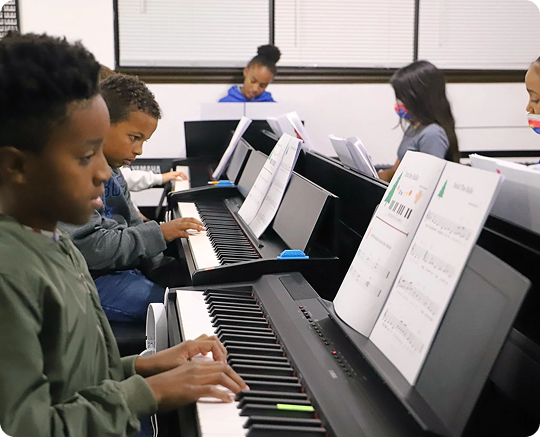
The learning environment can shape how a child feels about piano. A bright, organized, and welcoming space helps children feel focused and inspired. Quality instruments, clean rooms, and a calm atmosphere make learning easier and more enjoyable. Children also benefit from being around music, other learners, and a sense of community. When they hear instruments, see other students growing, and feel part of a creative space, piano becomes more than a weekly task. It becomes a musical world they can belong to. Parents should notice how the environment feels. A positive space can support curiosity, confidence, and long-term commitment.
Why Are Trial Lessons Helpful for Children?
Trial lessons are helpful because they show how a child responds emotionally, socially, and musically before committing to a longer learning path. A trial lesson can reveal a lot about how a child may experience piano learning. Parents can observe whether the child feels comfortable, curious, nervous, excited, or overwhelmed. The tone of the lesson matters. Children usually respond well when mistakes are treated as normal and questions are welcomed. After the session, parents should ask how the child felt, not only what they learned. A positive emotional response is often a strong sign that the child is ready to continue. If a child leaves smiling, asking questions, or wanting to return, the learning experience is likely starting in a healthy direction.
Start learning today with 50% off your first lesson on the instrument of your choice!

What Are Signs That a Child Is Learning Piano in a Healthy Way?
- Your child practices naturally without constant reminders.
- They talk about music or piano outside practice time.
- They celebrate small improvements and enjoy progress.
- They feel safe making mistakes while learning.
- They remain curious, confident, and engaged each week.
These signs show that piano learning is becoming part of the child’s confidence and identity. Healthy progress is not only measured by how many songs a child can play. It is also shown through curiosity, independence, emotional connection, and willingness to keep trying. When children feel proud of their effort, they begin to see themselves as capable learners.
How Should Parents Balance Expectations With a Child’s Personality?
Parents naturally want children to improve, but piano learning works best when expectations match the child’s personality. Some children respond well to structure, challenge, and measurable goals. Others need gentler pacing, imagination, and emotional reassurance. If expectations become too intense, children may feel pressure instead of motivation. A sensitive child may freeze when pushed too hard, while a competitive child may enjoy ambitious goals. Parents can support progress by observing the child’s temperament and adjusting expectations accordingly. Growth becomes healthier when discipline feels encouraging, not controlling. When piano respects who the child is today, long-term motivation becomes much stronger.
Final Thoughts: Helping Children Learn Piano With Confidence
Children learn piano best when structure, encouragement, creativity, and emotional safety work together. Parents should look beyond fast results and focus on building confidence, curiosity, routine, and a positive relationship with music. A child’s early piano experience can shape how they think, practice, express themselves, and respond to challenges. When learning feels supportive, children are more likely to stay engaged and grow steadily. The goal is not only to play songs correctly. It is to help children develop discipline, imagination, patience, and self-belief. With the right approach, piano can become a meaningful part of a child’s development for years.
Frequently Asked Questions
1. How do children learn piano best?
Children learn piano best through encouragement, short practice goals, playful activities, repetition, creativity, and a supportive learning environment.
2. Why is confidence important when children learn piano?
Confidence helps children stay motivated, try new skills, recover from mistakes, and feel proud of their progress while learning piano.
3. What should children learn first in piano?
Children usually begin with posture, hand position, rhythm, listening skills, simple note reading, and basic coordination at the keyboard.
4. How do learning styles affect children’s piano progress?
Learning styles affect how children understand music. Some learn visually, some by listening, some through movement, and others through a mix of methods.
5. How long should children practice piano?
Children often do best with short, consistent practice sessions. A focused routine is usually more effective than long sessions that feel tiring or stressful.
6. How can parents keep children motivated to practice piano?
Parents can keep children motivated by celebrating effort, setting simple goals, encouraging consistency, and allowing them to play music they enjoy.
7. Why are trial lessons helpful for children?
Trial lessons help parents see how a child responds emotionally, socially, and musically before committing to a longer piano learning path.
8. What are signs that a child is learning piano in a healthy way?
Healthy signs include curiosity, confidence, regular practice, enjoyment, willingness to make mistakes, and excitement about small improvements.