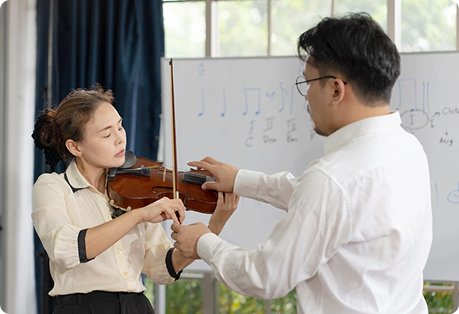
How Kids and Adults Learn Violin Differently
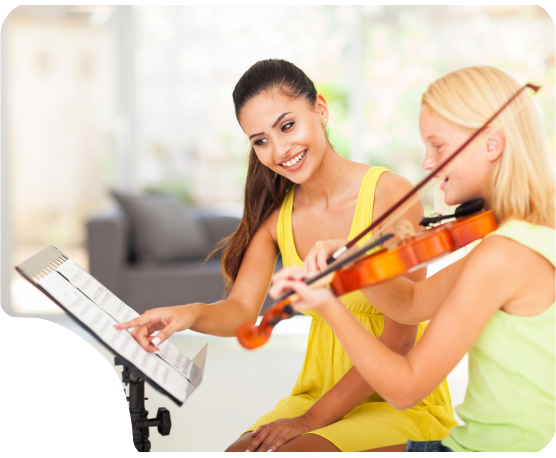
The violin is admired for its emotional depth, delicate tone, and ability to express rich melodies. Learning this instrument can be meaningful for both children and adults, but each age group develops in different ways. Kids often learn through curiosity, repetition, movement, and playful discovery, while adults usually benefit from clear goals, structured explanations, and personal motivation. At West Island Music Academy, students are supported according to their age, learning style, and musical background. Whether a child is discovering their first notes or an adult is fulfilling a lifelong dream, the learning process should feel encouraging, disciplined, and creative. With the right guidance, every student can build confidence and enjoy music.

Why Do Kids and Adults Learn Violin Differently?

Kids and adults learn violin differently because they bring different attention spans, physical coordination, goals, and emotional needs to the process. Teaching methods must adapt to each learner’s stage. When choosing how to learn violin, the quality of instruction and environment can shape long-term progress. Children often need lessons that balance structure with imagination, while adults may prefer direct feedback and practical goals. At West Island Music Academy, training supports confidence, musicality, and performance growth while respecting each student’s pace. Some learners may prepare for school programs or auditions, while others simply want to play for personal enjoyment. Families in Pointe-Claire, Côte Saint-Luc, Beaconsfield, and Saint-Laurent value an approach that combines technical development with creative exploration. This balance helps both young and adult students stay motivated and inspired.

How Do Children Build Musical Foundations on the Violin?

Children build musical foundations through posture, bow control, rhythm games, listening exercises, and simple songs. A playful approach helps young learners stay engaged while developing discipline. Children often have a natural curiosity for music, and violin learning gives them a positive outlet for creativity and self-expression. Young students begin with posture, bow hold, listening skills, and basic note reading in a fun and engaging way. Teachers use interactive methods to keep children motivated while reinforcing habits that support lifelong musicianship. Parents often notice improvements in patience, focus, and discipline, which can also support academic and personal growth. Recitals and group activities help kids gain confidence while experiencing the joy of performing. In the West Island, this nurturing approach makes violin learning meaningful for families seeking quality education.

Early Beginners (Ages 5–8)

Young beginners often learn best through playful exercises, short activities, and games that make violin practice enjoyable. They gradually build coordination, listening skills, confidence, and comfort with the instrument.

Pre-Teens and Teens

As children grow, learning becomes more structured with greater focus on technique, music reading, and performance skills. This stage can prepare students for school ensembles, competitions, or advanced musical goals.

How Do Adults Approach Violin Learning?

Adults often approach violin learning with personal motivation, clearer goals, and stronger patience. They may need flexible pacing, practical explanations, and encouragement to overcome self-doubt. Many adults believe starting violin later in life is too difficult, but adult learners can make meaningful progress with the right structure. Adults often bring focus, commitment, and a strong emotional connection to music, even if they are complete beginners. Some are returning to the instrument after years away, while others are starting for the first time. Teachers adapt practice plans to match busy schedules, physical comfort, and musical interests. Lessons may focus on rhythm, technique, repertoire, and steady confidence-building. For adults in Montreal and nearby communities, learning violin can become a rewarding escape from stress and a powerful form of creative expression.

Beginner Adults

Adult beginners focus on fundamentals such as posture, rhythm, bow control, and simple pieces. Lessons move at a comfortable pace so students can build confidence without feeling rushed.

Returning Musicians

Adults returning to violin often revisit forgotten skills, rebuild technique, and expand repertoire. With guidance, they can reconnect with music while correcting old habits and gaining renewed confidence.

What Learning Stages Help Both Kids and Adults Progress?

Both kids and adults progress best through clear stages that build posture, technique, expression, repertoire, and performance readiness. A structured path keeps learning organized and motivating.

A step-by-step learning process supports steady improvement for every student:

$

Foundation: Introduction to posture, instrument care, and bowing basics.

$

Technique Building: Focus on scales, finger placement, and rhythm exercises.

$

Musical Expression: Exploring tone quality, dynamics, and phrasing.

$

Repertoire Development: Learning classical pieces, contemporary songs, and personal favorites.

$

Performance Readiness: Preparing for recitals, auditions, or ensemble participation.

This method helps students build skills systematically while maintaining enthusiasm and confidence. Children benefit from structure that keeps them focused, while adults appreciate a clear roadmap that shows how each skill connects to long-term progress.

Start learning today with 50% off your first lesson on the instrument of your choice!

Why Does Motivation Matter in Violin Learning?

Motivation matters because it turns practice into a meaningful habit. Kids often need encouragement and fun, while adults are usually driven by personal goals and emotional connection. While technical mastery is important, passion is what turns violin learning into lifelong artistry. Children may feel motivated by praise, games, familiar melodies, or the excitement of performing. Adults may be inspired by a favorite song, personal achievement, or the desire to express themselves creatively. At West Island Music Academy, teachers help students explore styles they enjoy, from classical to contemporary, so practice feels meaningful. By blending structured training with personal expression, students connect emotionally with the instrument. Whether it is a child discovering a first melody or an adult performing a cherished piece, passion remains central to progress.

How Do Teachers Adapt to Different Learning Styles?

Teachers adapt by changing pace, explanations, exercises, and feedback based on the student’s age and needs. This helps both kids and adults feel supported while improving technique. The success of violin learning depends greatly on experienced instructors who understand how different students grow. Children may need visual examples, repetition, movement, and encouragement, while adults often benefit from detailed explanations and goal-based practice. Each teacher brings professional training, performance experience, and a passion for helping students improve. Mistakes are treated as part of the learning process, not as failures. Personalized feedback helps students correct technique while staying motivated. This balance of discipline and inspiration helps learners develop technical skills and musical expression. Strong mentorship is what allows both kids and adults to progress with confidence.

How Does Music Build Community for Learners?

Music builds community by giving students opportunities to perform, collaborate, and share progress with others. Kids and adults both benefit from feeling connected through music. Learning violin is not only about individual achievement; it also creates connection. Students can participate in group ensembles, recitals, and community performances that strengthen confidence and collaboration. Families from Beaconsfield and Pointe-Claire value how these experiences give children a sense of belonging and accomplishment. Adults also find community activities rewarding because they meet fellow musicians and share their passion for music. These experiences help learners understand that music is both personal and social. By combining individual development with shared performance opportunities, students build confidence, friendships, and a deeper appreciation for musical growth.

The Benefits of Learning Violin for Cognitive Growth

Learning violin supports cognitive development for both children and adults. Children strengthen memory, concentration, listening skills, discipline, and fine motor coordination through regular practice. These skills can support academic growth and personal focus. Adults also benefit from improved concentration, stress relief, mental engagement, and sharper listening awareness. Because violin requires both physical coordination and musical thinking, it encourages the brain and body to work together. At West Island Music Academy, these benefits are part of the broader learning philosophy. Students are not only developing musical ability; they are also building patience, focus, problem-solving skills, and emotional expression that can support everyday life.

How Can Violin Learning Be Tailored for Every Level?

Violin learning can be tailored by adjusting technique, repertoire, pace, and goals for each student’s level. Beginners, intermediate players, and advanced learners all need different support.

Every student has unique needs, which is why flexible learning paths matter:

Beginner Programs

Designed for children and adults new to music.

Intermediate Lessons

For students ready to expand their repertoire and refine skills.

Advanced Training

Preparing musicians for orchestras, competitions, or higher education.
How Vocal Coaches Shape Better Singers
This flexibility allows students to progress at their own pace while still feeling challenged and inspired. Whether a learner is from Saint-Laurent or Côte Saint-Luc, a personalized approach helps ensure that practice, technique, and musical goals align with the student’s lifestyle and ambitions.

Conclusion: Learning Violin at Every Age

Learning violin is rewarding for both kids and adults, but each group benefits from a different approach. Children often need playful guidance, strong foundations, and encouragement, while adults usually value flexible pacing, clear goals, and personal expression. At West Island Music Academy, students across Montreal and nearby neighborhoods receive supportive instruction that respects these differences. Whether a child is beginning in Pointe-Claire or an adult in Beaconsfield is pursuing a lifelong dream, the opportunity to grow through music is always meaningful. The violin is more than an instrument; it is a lifelong gift that builds discipline, creativity, confidence, and lasting passion.

Frequently Asked Questions

1. How do kids and adults learn violin differently?
Kids often learn violin through playful activities, repetition, and visual examples, while adults usually prefer structured explanations, clear goals, and flexible pacing. Both can progress well when teaching methods match their learning style.
2. What is the best age for children to start learning violin?
Many children can begin learning violin around ages 5–8 if they show interest and can follow simple instructions. Early lessons usually focus on posture, rhythm, listening, coordination, and confidence.
3. Can adults learn violin as beginners?
Yes, adults can learn violin even with no musical background. Adult beginners often progress well because they bring patience, motivation, and a clear reason for learning.
4. Why do children need a playful approach to violin learning?
A playful approach helps children stay engaged while building important foundations. Games, short exercises, and familiar melodies make posture, bow hold, rhythm, and listening skills easier to understand.
5. What challenges do adult violin learners face?
Adults may struggle with self-doubt, physical tension, busy schedules, or frustration when progress feels slow. A structured plan and supportive guidance help them build skills at a comfortable pace.
6. How does violin learning support children’s development?
Violin learning can strengthen focus, discipline, memory, listening skills, coordination, and patience. These skills often support academic growth and personal confidence.
7. Why are recitals and group activities helpful for violin students?
Recitals and group activities help students build confidence, performance skills, and a sense of community. They also give learners a goal to work toward and a chance to share their progress.
8. Can violin learning be tailored for different skill levels?
Yes, violin learning can be adapted for beginners, intermediate students, and advanced players. Teachers can adjust technique, repertoire, pacing, and goals to match each student’s needs.