
How Personalized Practice Helps Piano Students Stay Motivated
Personalized practice helps piano students stay motivated because it makes learning feel meaningful, realistic, and connected to personal goals. Every student approaches piano differently. Some learners want to play classical pieces, while others enjoy pop songs, jazz ideas, film music, or creative improvisation. A personalized practice routine gives students a clear path that matches their interests, age, skill level, and learning style. Instead of repeating exercises that feel disconnected, students work on skills that support their musical direction. This keeps practice enjoyable while still building technique, rhythm, reading, confidence, and expression. When piano practice feels personal, students are more likely to stay consistent and keep improving.
Why Does Personalized Piano Practice Matter?
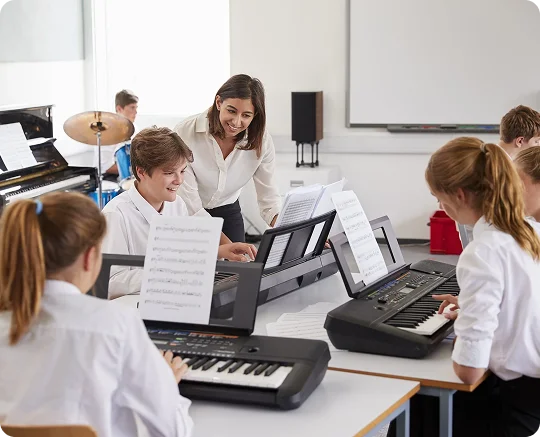
Personalized piano practice matters because it helps students stay engaged, understand their goals, and progress at a pace that feels achievable. Personalized practice matters because every piano student learns, thinks, and connects with music differently. A routine that works for one learner may feel confusing or boring for another. When practice is shaped around a student’s interests, abilities, and learning style, motivation becomes easier to maintain. Students can work on reading music, rhythm patterns, improvisation, technique, or performance goals in a way that feels relevant. This approach also helps learners avoid frustration because their practice path is not too rushed or too generic. With the right balance of structure and creativity, piano practice becomes supportive, focused, and emotionally rewarding.
The WIMA Teaching Method: Inspiring Students at Every Level
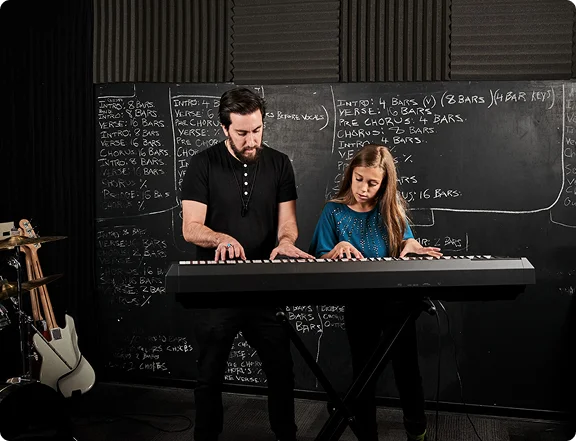
How Can Personalized Practice Inspire Students at Every Level?
Beginner Piano
Introduction to reading music
Basic hand positioning and technique
Fun, motivating repertoire
Intermediate Piano
Expanded theory concepts
Articulation and expressive playing
Genre exploration
How Does a Community-Focused Music Environment Keep Students Motivated?
A community-focused music environment helps students feel supported, encouraged, and connected to something larger than individual practice. Piano can sometimes feel like a private activity, but students often stay more motivated when they see others learning, performing, and growing. Learners from Pointe-Claire, Beaconsfield, West Island, and nearby Montreal communities can benefit from being around peers, teachers, and families who value music. This kind of environment helps students celebrate progress, learn from others, and feel less alone during challenging stages. Community also encourages students to participate in recitals, group activities, and local arts experiences, which adds purpose and excitement to practice.
How Does Creativity Help Piano Students Stay Motivated?
What Learning Tools Help Piano Students Practice More Effectively?
Learning tools help piano students stay motivated by making practice clearer, more interactive, and easier to track. The right tools can make piano practice more structured and enjoyable. Quality acoustic or digital pianos help students develop proper touch, tone, and technique. Digital resources such as sheet music apps, visual aids, practice trackers, recordings, and interactive tools can reinforce what students learn during instruction. These resources also make home practice easier because students can review concepts, track progress, and hear improvement over time. When learners can see or hear their growth, motivation becomes stronger. Tools should not replace focused practice, but they can make practice more engaging and organized. This helps students stay consistent between learning sessions.
Start learning today with 50% off your first lesson on the instrument of your choice!
How Can Local Music Culture Encourage Better Piano Practice?
Long-Term Benefits of Piano Education at WIMA
Conclusion: Discover the Most Personalized Piano Lessons in Montreal
Frequently Asked Questions
1. How does personalized practice help piano students stay motivated?
Personalized practice helps students stay motivated by connecting exercises, songs, and goals to their interests, skill level, and learning style.
2. Why is motivation important in piano learning?
3. What should a personalized piano practice routine include?
A personalized routine may include warm-ups, technique work, rhythm practice, reading, creative exercises, favorite songs, and clear practice goals.
4. How can creativity make piano practice more enjoyable?
Creativity makes practice more enjoyable by allowing students to improvise, compose, explore styles, and express their own musical ideas.
5. What tools can help piano students practice better?
Helpful tools include practice trackers, recordings, sheet music apps, visual aids, digital resources, and quality acoustic or digital pianos.
6. How does community support piano motivation?
A supportive music community helps students feel encouraged, share progress, learn from others, and stay inspired through recitals or group activities.
7. Can personalized practice help beginners?
Yes, personalized practice helps beginners by making early learning simple, enjoyable, and connected to songs or goals that keep them interested.
8. What are the long-term benefits of personalized piano practice?
Long-term benefits include stronger discipline, confidence, creativity, focus, patience, musical expression, and consistent progress over time.