
What to Expect When Learning Piano in Montreal
Learning piano in Montreal can be an exciting step for children, teens, and adults who want to build musical skill, confidence, and creativity. Many beginners are not sure what the process looks like, how quickly progress happens, or what kind of structure supports long-term growth. A strong piano learning experience usually includes technique, rhythm, music reading, guided practice, and clear goals that match the student’s age and level. Students may begin with posture, hand position, simple rhythms, and basic note reading before moving into expression and interpretation. With consistent practice and supportive guidance, learning piano in Montreal can become structured, motivating, and deeply rewarding.
How Does Piano Learning in Montreal Typically Work?
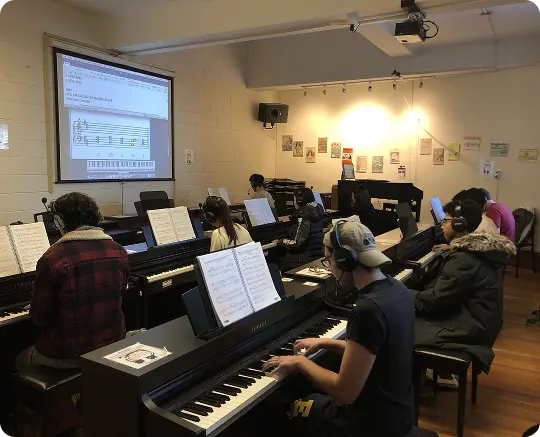
Piano learning in Montreal usually works through weekly structured sessions that include technique, reading, rhythm, guided practice, and home goals. Most piano students learn best with a consistent weekly routine. A typical learning session includes technical exercises, work on selected pieces, rhythm practice, and guidance for what to practice at home. The structure may change depending on age, experience, and goals, but the purpose remains the same: build skills step by step. Early learning often focuses on posture, hand position, keyboard familiarity, rhythm, and basic reading. As students improve, they begin exploring dynamics, expression, interpretation, and more advanced coordination. This structured approach helps students avoid confusion and understand what comes next. It also makes progress easier to measure and maintain.
What Do Students Learn When Starting Piano?
Students starting piano usually learn posture, hand technique, rhythm, coordination, sheet music reading, musical structure, and expressive playing. Piano learning is not only about playing songs. A complete foundation helps students understand how music works and how to play with confidence. Beginners usually start by learning proper posture, relaxed hand position, rhythm, timing, and basic note reading. They gradually connect written notes to the keyboard and begin playing simple melodies. As students grow, they learn how to coordinate both hands, understand musical structure, and use dynamics to shape expression. These skills are introduced slowly so students do not feel rushed. A strong foundation helps learners become independent, confident, and ready for more advanced musical challenges.
Core Elements of Piano Learning
These elements work together to help students build steady musical progress.
How Long Does It Take to See Progress?
Most students begin noticing piano progress within 4–8 weeks when they practice consistently and follow clear learning goals.
Typical Piano Learning Timeline
- First month: Basic coordination and keyboard familiarity
- Two to three months: Simple pieces played with confidence
- Six months: Stronger technique and musical control
- One year and beyond: More independence and expressive playing
This timeline can vary, but consistent practice usually creates visible progress.
What Is the Difference Between Private Learning and Structured Programs?
Private learning gives students individual attention, while structured programs provide a clear curriculum, progress milestones, and long-term accountability.
Benefits of Structured Piano Programs
Professional learning environment
This structure supports long-term development and helps students keep improving with confidence.
Start learning today with 50% off your first lesson on the instrument of your choice!
Why Does the Learning Environment Matter?
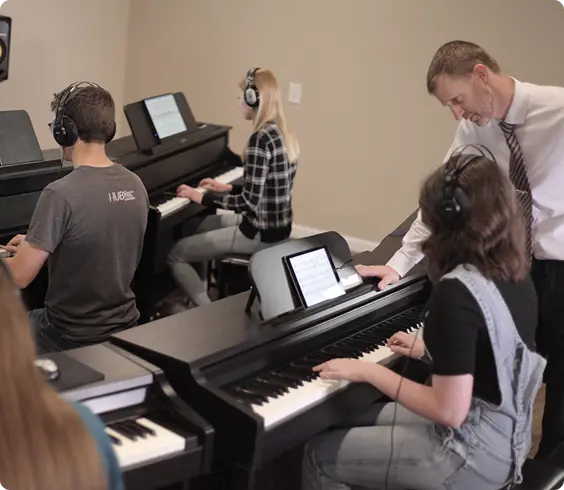
The learning environment plays an important role in how students feel and progress. A focused space with quality instruments, clear materials, and minimal distractions can help students concentrate more easily. Beginners especially benefit from an environment that feels calm, supportive, and organized because they may feel nervous when starting. A professional or well-prepared learning space also helps students develop better posture, listening habits, and practice discipline. Children may feel more motivated when the environment feels encouraging, while adults often appreciate a setting that respects their pace and goals. When the environment supports focus and comfort, piano learning becomes more enjoyable and productive.
Piano Lessons in Montreal and the West Island
What Makes a Music Academy the Right Choice?
Final Thoughts on Piano Lessons in Montreal
Frequently Asked Questions
1. What should students expect when learning piano in Montreal?
Students can expect structured practice, technique work, rhythm training, music reading, simple pieces, and clear goals based on their age and skill level.
2. How do piano students usually start learning?
Most students start with posture, hand position, keyboard familiarity, rhythm, basic note reading, and simple melodies before moving into harder pieces.
3. How long does it take to see progress in piano?
Many students begin to see progress within 4–8 weeks when they practice consistently and follow a clear learning plan.
4. What skills are taught in beginner piano learning?
Beginner piano learning usually includes hand technique, rhythm, coordination, sheet music reading, musical structure, and expressive playing basics.
5. Why is a structured piano program helpful?
A structured program helps students follow clear milestones, practice consistently, avoid confusion, and build skills step by step.
6. How does the learning environment affect piano progress?
A calm and supportive environment helps students focus, feel comfortable, ask questions, and develop better practice habits.
7. Why does location matter when learning piano in Montreal?
Location matters because easy access helps students attend regularly, reduce travel stress, and stay consistent with their piano learning routine.
8. Can adults learn piano in Montreal?
Yes, adults can learn piano successfully with structured guidance, realistic practice goals, and a pace that fits their schedule and musical interests.