
How Piano Can Transform Your Musical Journey
Piano can transform a musical journey by opening the door to creativity, confidence, expression, and lifelong growth. For beginners, the piano provides a clear and visual way to understand melody, rhythm, harmony, and musical structure. For experienced players, it offers endless opportunities to refine technique, explore new styles, and develop a deeper personal connection to music. Learning piano is not only about playing songs; it is about building discipline, focus, emotional expression, and artistic identity. With structured practice and supportive guidance, students can grow step by step while discovering their own musical voice. Over time, piano becomes more than an instrument; it becomes a meaningful path for self-discovery.
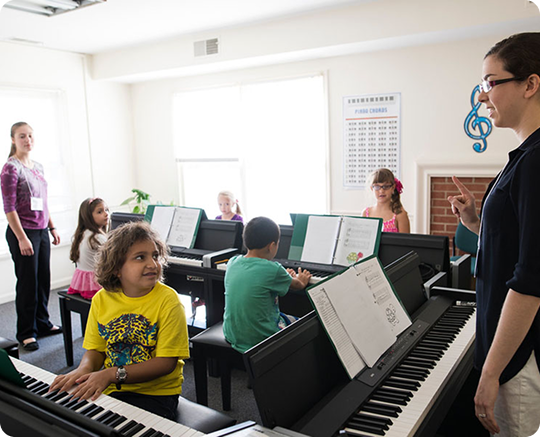
How Can Piano Transform a Musical Journey?
Piano can transform a musical journey by helping learners build technique, creativity, confidence, discipline, and emotional expression through music. Learning piano can change the way students experience music because it connects technical skill with personal expression. A learner may begin with simple notes, scales, and rhythms, but gradually those basics become tools for creativity and confidence. Piano helps students understand how music works while also giving them a way to express feelings, ideas, and stories. A structured approach makes this transformation easier because each stage builds on the previous one. Students develop stronger coordination, listening skills, theory knowledge, and performance confidence. Whether the goal is personal enjoyment, advanced playing, or creative expression, piano can become a powerful part of a lifelong musical journey.
Why Does the Right Learning Approach Matter in Piano Growth?
The right learning approach matters because it helps students build foundations, stay motivated, and enjoy steady musical progress. A strong piano learning approach balances structure, creativity, and encouragement. Students need more than random practice to grow confidently. They benefit from clear goals, organized skill development, and feedback that helps them understand what to improve. A thoughtful approach includes technique, theory, rhythm, reading, and performance preparation while still keeping music enjoyable. When lessons or practice routines match the student’s learning style, progress feels more natural and motivating. This helps beginners avoid confusion and helps advanced learners refine their artistry. Piano growth becomes transformative when students feel supported, challenged, and inspired at every stage of their development.
Local Advantage: Learning Piano in Montreal and the West Island
Montreal’s vibrant music culture makes it the perfect place to begin or advance your piano journey. At West Island Music Academy, we embrace the energy of the city and extend our programs across the West Island to reach more students. Whether you are located in Pointe-Claire, Beaconsfield, or Saint-Laurent, our academy provides accessible opportunities to pursue your passion. Learning locally not only strengthens the connection between student and teacher but also creates a supportive community of musicians. By choosing to study here, you’re engaging in music lessons that reflect Montreal’s cultural richness while gaining world-class training close to home.
What Makes a Piano Learning Journey Meaningful?
Personalized learning: Practice can match goals such as classical, jazz, pop, creativity, or personal enjoyment.
Experienced guidance: Support from knowledgeable musicians helps learners avoid confusion and improve with confidence.
Performance opportunities: Sharing music builds stage presence, courage, and pride.
Flexible routines: Learning can fit around school, work, family, and busy schedules.
Community focus: A supportive musical environment helps students stay inspired and connected.

How Does Piano Build Musical Confidence?
How Can Piano Support Cognitive Growth?
How Can Exploring Piano Styles Shape Musical Identity?
Start learning today with 50% off your first lesson on the instrument of your choice!
Why Families in Montreal Trust Our Music Academy

Key Reasons to Begin Piano Lessons Now
Conclusion: Begin Your Musical Journey Today
Frequently Asked Questions
1. How can piano transform a musical journey?
Piano can transform a musical journey by helping learners build creativity, confidence, discipline, emotional expression, and a deeper understanding of music.
2. Why is piano a good instrument for personal growth?
Piano supports personal growth because it develops focus, patience, coordination, problem-solving, and self-expression through regular practice.
3. How does piano build musical confidence?
Piano builds confidence through small achievements, guided practice, performance opportunities, and steady progress over time.
4. What skills do students develop through piano learning?
Students develop rhythm, hand coordination, note reading, listening skills, technique, music theory, creativity, and performance confidence.
5. How does piano support cognitive growth?
Piano supports cognitive growth by strengthening memory, concentration, pattern recognition, and coordination between reading, listening, and movement.
6. Why is structure important in piano learning?
Structure gives students a clear path for improvement. It helps learners build strong foundations, avoid confusion, and progress step by step.
7. How can exploring piano styles shape musical identity?
Exploring classical, jazz, pop, and contemporary styles helps students discover what music they enjoy most and develop their own creative voice.
8. Can adults benefit from starting a piano journey?
Yes, adults can benefit from piano learning as a creative outlet, stress-relieving activity, and meaningful way to build focus, confidence, and musical skill.