
How to Keep Growing as a Piano Student
Growing as a piano student is a lifelong process that combines practice, creativity, discipline, confidence, and emotional expression. Piano learning does not stop after the first songs or basic techniques. Each stage brings new opportunities to improve rhythm, reading, coordination, theory, musical style, and performance ability. Beginners grow by building strong foundations, intermediate players grow by refining technique, and advanced students grow by developing artistry and deeper interpretation. The key is to stay consistent while keeping learning enjoyable and personal. With supportive guidance, clear goals, and a willingness to explore, piano students can continue progressing musically and personally for years.
Why Is Piano a Smart Choice for Long-Term Musical Growth?
How Can Children Keep Growing Through Piano?
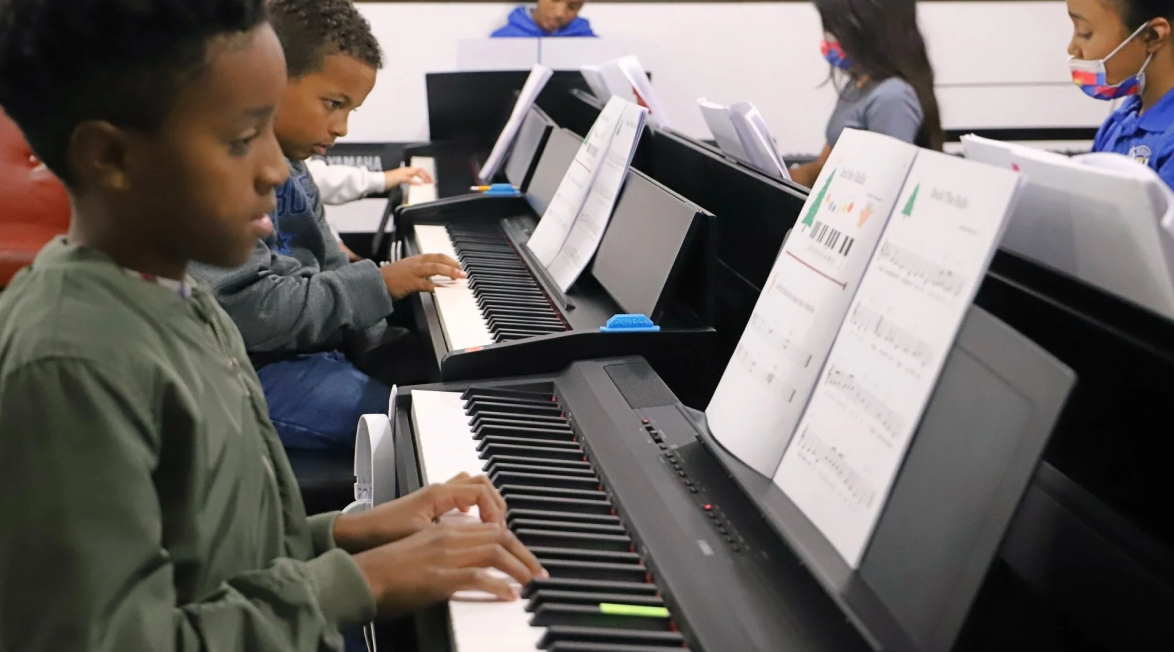
Children keep growing through piano when learning feels encouraging, structured, creative, and filled with achievable musical goals. Children thrive when piano learning feels positive and motivating. Young students benefit from games, creative exercises, simple songs, and step-by-step reading practice. These activities help them build rhythm, memory, coordination, and confidence without feeling overwhelmed. Small wins, such as learning a short piece or recognizing notes, encourage children to keep practicing. Piano also helps children develop discipline because they learn that steady effort leads to progress. Over time, this can support school habits, focus, and self-esteem. A nurturing approach is important because children need encouragement as they face new challenges. When piano feels enjoyable, children are more likely to keep growing.
Can Adults Continue Growing as Piano Students?
How Does Personalized Practice Support Piano Growth?
What Skills Help Piano Students Become Independent Musicians?
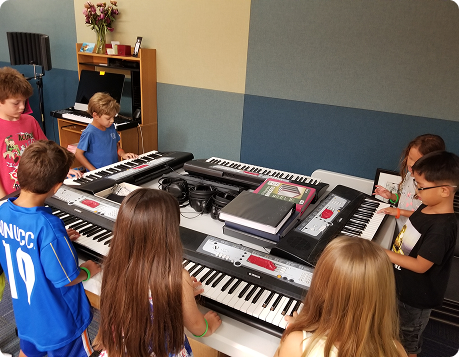
Piano students become independent musicians by developing technique, reading, rhythm, theory, ear training, repertoire, and creative expression.
Proper hand posture and finger strength
Reading sheet music and rhythms
Scales, chords, and arpeggios
Playing classical and modern repertoire
Improvisation and creative expression
Ear training and sight reading
This well-rounded approach helps students become confident, independent musicians who understand both technique and creativity.
Piano Lessons in West Island and Montreal
How Do Experienced and Friendly Teachers Support Student Growth?
Start learning today with 50% off your first lesson on the instrument of your choice!
What Flexible Options Help Piano Students Stay Consistent?
Private one-on-one piano study
Learning options for kids, teens, and adults
Beginner to advanced instruction
In-person and online learning
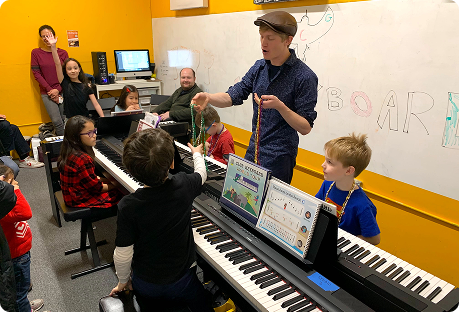
Flexible options help students continue learning without overwhelming their schedule. A child may need a routine that works around school and activities, while an adult may need lessons that fit around work or family responsibilities. Beginners need steady support, while advanced students may need more focused challenges. When students can learn in a way that matches their lifestyle, they are more likely to stay consistent. Consistency is one of the strongest drivers of piano growth because regular practice turns small improvements into long-term progress.
How Do Discipline and Creativity Work Together in Piano Growth?
How Can Performance Opportunities Encourage Musical Growth?
Start Your Musical Journey Today with WIMA
Frequently Asked Questions
1. How can piano students keep growing over time?
Piano students can keep growing by practicing consistently, setting clear goals, reviewing technique, exploring new styles, and staying open to feedback.
2. Why is piano good for long-term musical growth?
Piano supports long-term growth because it builds rhythm, coordination, note reading, music theory, ear training, and creative confidence.
3. How can children grow through piano learning?
Children grow through piano by developing focus, memory, discipline, confidence, and creativity through fun, structured, and encouraging practice.
4. Can adults continue growing as piano students?
Yes, adults can continue growing as piano students at any age. Flexible goals, steady practice, and personal motivation can support strong progress.
5. What skills help piano students become independent musicians?
Important skills include hand technique, rhythm, sight reading, ear training, scales, chords, repertoire, and creative expression.
6. How does personalized practice support piano growth?
Personalized practice helps students stay motivated by matching exercises, songs, pace, and learning methods to their goals and interests.
7. Why are performance opportunities important for piano students?
Performance opportunities help students build confidence, stage presence, focus, and pride in their progress. They also give practice a meaningful goal.
8. How do discipline and creativity work together in piano learning?
Discipline helps students practice regularly and improve technique, while creativity keeps learning expressive, personal, and enjoyable.