
How Singing Development Differs for Children and Adults
Singing development looks different for children and adults because each age group brings unique strengths, needs, and learning styles. Children often begin with curiosity, play, rhythm, imitation, and confidence-building. Their voices are still developing, so lessons should focus on healthy habits, gentle exploration, and enjoyment. Adults may approach singing with clearer goals, stronger emotional awareness, and more self-consciousness about their voice. They often benefit from structured technique, relaxation, and patient confidence-building. In both cases, singing can improve breath control, pitch, expression, and musical confidence. Understanding these differences helps singers grow in a way that feels natural, safe, and rewarding.

Can Anyone Learn to Sing?
The Science Behind Singing
Overcoming Limiting Beliefs
Personalized Training Approach
Singing lessons at WIMA are tailored to each learner’s goals, experience, and comfort level—from total beginners to advanced performers seeking refinement.
What Makes Singing Development Different by Age?
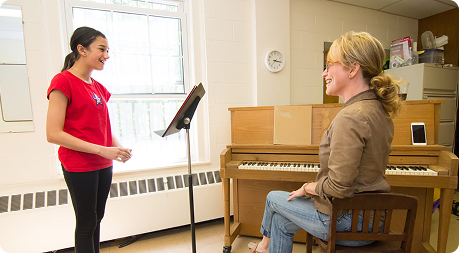
Singing development differs by age because children, teens, and adults vary in vocal maturity, attention span, confidence, goals, and emotional expression. Children usually learn best through movement, simple songs, games, repetition, and encouragement. Their vocal development should stay gentle because young voices are still growing. Adults often learn through explanation, feedback, goal-setting, and awareness of technique. They may also need help releasing tension or overcoming self-consciousness. Teenagers may fall between both stages, needing support for changing voices, confidence, style, and identity. The strongest vocal development happens when the learning method fits the singer’s age and personality. Whether the goal is enjoyment, confidence, performance, or personal growth, age-appropriate practice helps singers progress safely and meaningfully.
Individualized Teaching Style
Real-World Experience
A Supportive Environment
What Are the Benefits of Singing Development?
How Does Performance Build Confidence for Different Ages?
Stage Practice
Overcoming Stage Fright
Growing with Every Performance
Each performance gives singers a chance to notice progress, refine technique, connect with listeners, and express emotion through music.
From microphone technique to audience connection, performance experience helps both children and adults build confidence that can last beyond singing.
Which Vocal Techniques Support Both Children and Adults?
Breath control: Learn how to support sound with steady, healthy airflow.
Pitch accuracy: Train the ear to recognize and match notes more clearly.
Tone development: Build a clear, natural vocal tone without forcing the voice.
Projection and resonance: Develop a stronger sound through healthy placement and support.
Diction and clarity: Improve pronunciation, lyric delivery, and emotional expression.
How Do Children Develop Through Singing?
A Playful and Engaging Approach
Building Confidence and Discipline
A Positive Learning Space
Children need encouragement and age-appropriate pacing so they can develop confidence while learning at their own speed.
For children, singing is not only about learning songs. It is also about discovery, communication, creativity, and early musical confidence.
Start learning today with 50% off your first lesson on the instrument of your choice!
How Do Adults Develop Through Singing?

Flexible Learning Goals
A Focus on Relaxation and Expression
A Supportive Musical Community
Whether an adult wants to perform, join a choir, return to music, or simply sing with more confidence, vocal development can be meaningful at any age.